



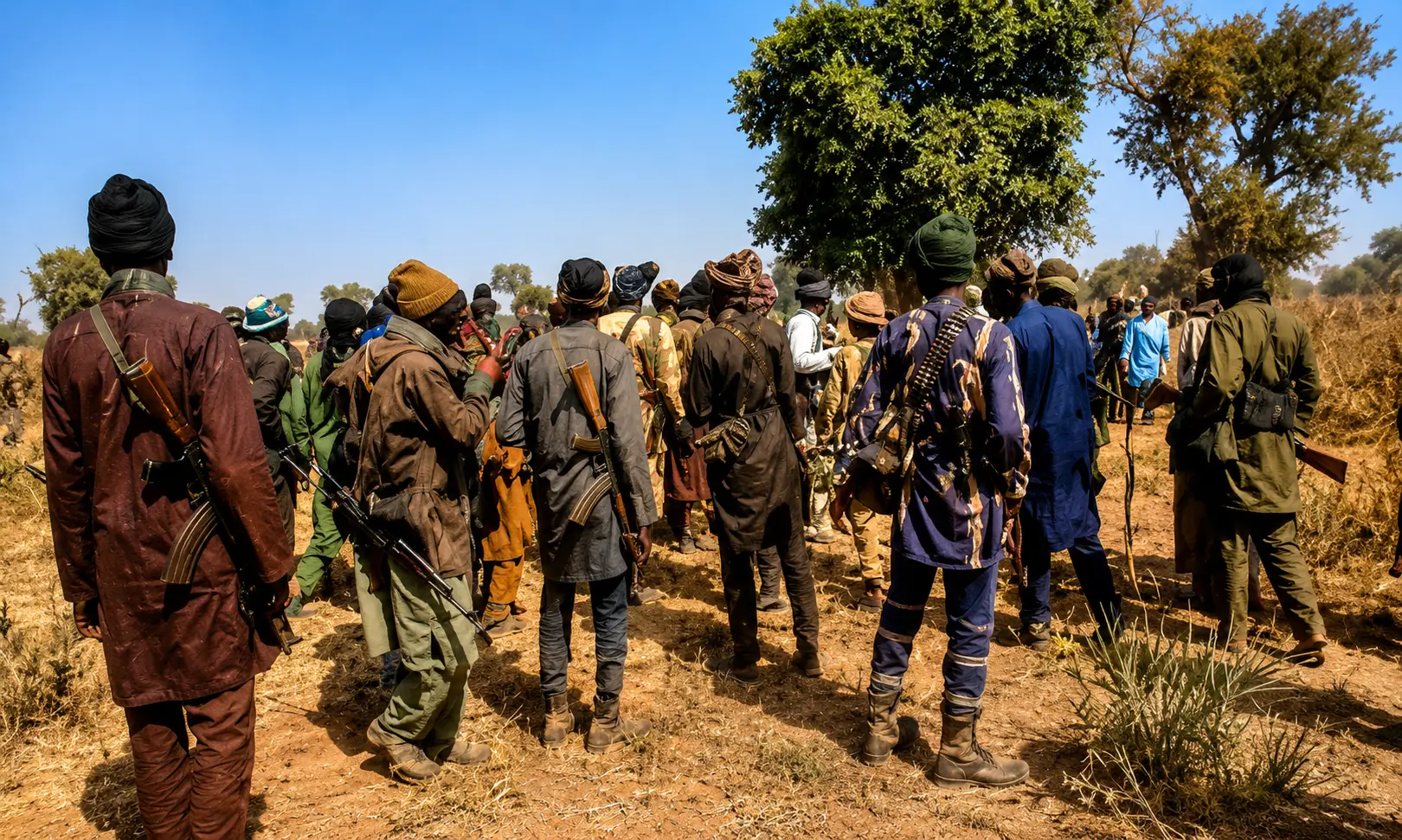
A new research report has revealed the devastating economic toll of insecurity across Northern Nigeria, warning that persistent violence from insurgency, banditry, kidnapping and farmer-herder conflicts is pushing thousands of households deeper into poverty and weakening their ability to recover from economic shocks.
The report, titled “Insecurity, Livelihoods and Welfare in Northern Nigeria,” found that violent conflict has significantly reduced household spending, increased debt burdens and undermined livelihoods across the North-East, North-West and North-Central regions.
The findings were unveiled on Thursday during a high-level webinar in Abuja organised by the Chronic Poverty Advisory Network (CPAN) of the Institute of Development Studies, United Kingdom, the Development Research and Projects Centre (dRPC), and the UK Foreign, Commonwealth and Development Office-supported Strengthening Peace and Resilience in Nigeria project.




Presenting the report, CPAN Deputy Director, Dr Vidya Diwakar, said the study drew from national household surveys, conflict databases and extensive fieldwork conducted in affected communities.
According to the findings, households affected by Boko Haram and ISWAP attacks in the North-East recorded expenditure losses ranging from eight to 14 per cent.
The study also found that long-term conflict-related debts further worsened household welfare, reducing spending capacity even years after attacks occurred.

In North-Central Nigeria, farmer-herder clashes produced the most severe welfare effect, with expenditure among near-poor households dropping by as much as 14 per cent.
Communities affected by banditry and kidnapping in the North-West also recorded significant economic losses, with household spending falling by between four and 11 per cent.
Researchers identified livelihood diversification as the strongest protection against conflict-induced poverty.
Households that combined farming with non-farm work and small-scale enterprises were found to be more resilient and better able to withstand economic disruptions caused by insecurity.
“Livelihood diversification is the single most consistent protective factor across all three conflict types,” Diwakar said.
Despite its benefits, the report noted that only 13 per cent of household heads in Northern Nigeria currently pursue diversified income opportunities.
The study also showed that education improves households’ ability to diversify income sources, although women- and youth-headed households continue to face greater barriers.
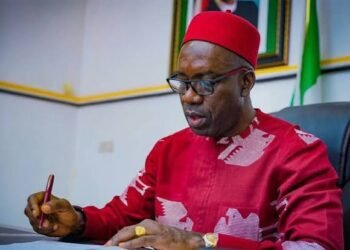
Minister of Humanitarian Affairs and Poverty Reduction, Dr Bernard Doro, said the findings would support implementation of the Federal Government’s One Humanitarian–One Poverty Response System policy.
He pledged continued collaboration between government institutions and researchers to strengthen poverty reduction interventions and improve support for vulnerable groups.
Experts who reviewed the report stressed that peace-building efforts must be linked with economic recovery programmes if conflict-affected communities are to achieve sustainable development.
They also called for stronger involvement of traditional rulers and community leaders in peace-building initiatives aimed at restoring stability and rebuilding local economies.
Executive Director of dRPC, Dr Judith-Ann Walker, praised the government’s willingness to engage with evidence-based recommendations and strengthen poverty reduction strategies.
The report highlights the growing connection between insecurity and economic hardship across Northern Nigeria, reinforcing calls for coordinated peace, development and livelihood support programmes.