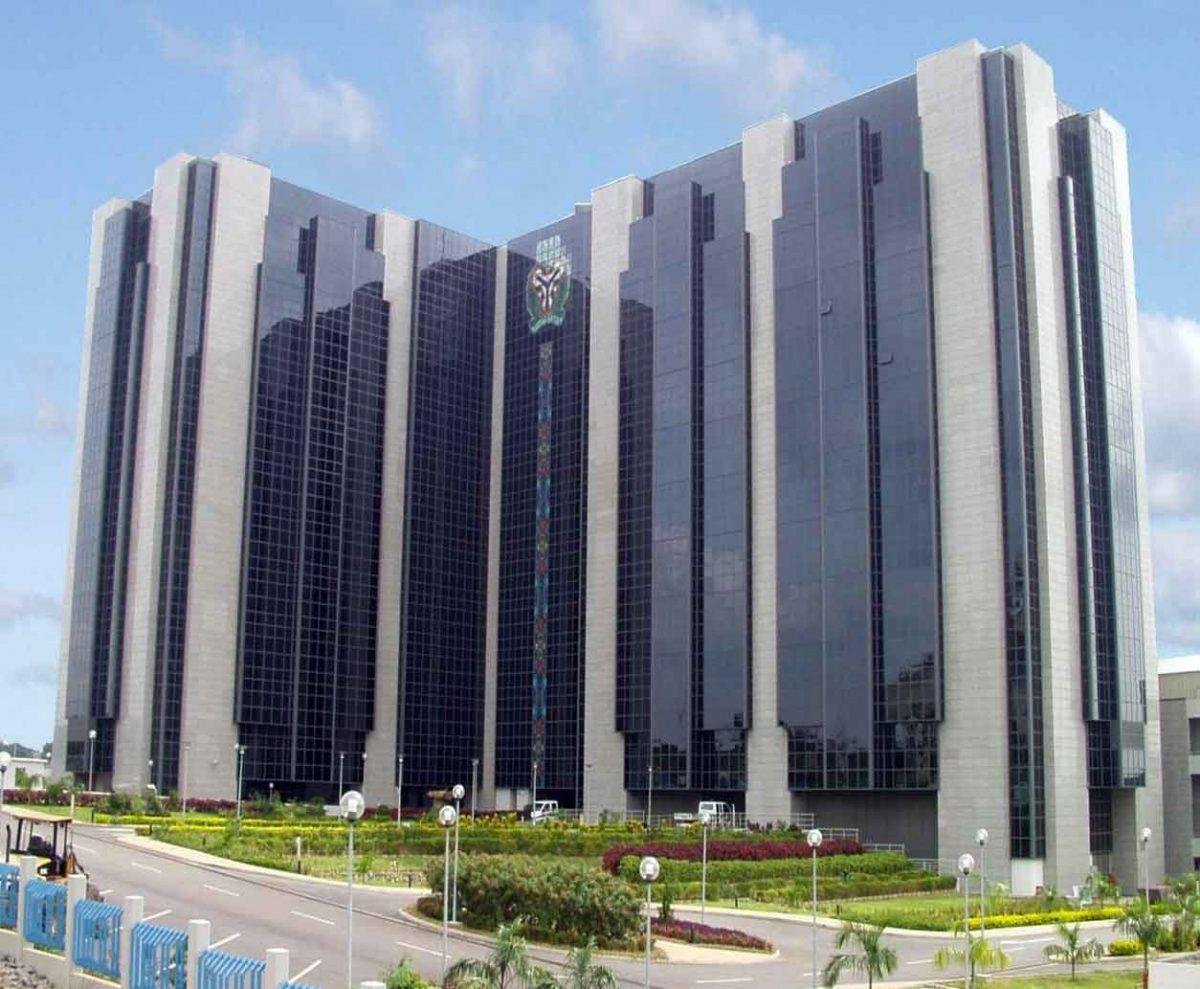
Nigeria’s domestic borrowing profile expanded significantly in May 2026, with fresh data from the Central Bank of Nigeria (showing that credit extended to the Federal Government climbed to N40.38tn, up by N17.39tn from the N22.99tn recorded a year earlier.
The latest money and credit statistics released by the apex bank indicate that government credit rose by 75.6 per cent year-on-year, underscoring the Federal Government’s increasing reliance on domestic financing despite prevailing tight monetary conditions.
The data also showed that the government’s borrowing momentum remained strong on a monthly basis. Credit to government increased by N779.70bn in May from N39.60tn recorded in April, representing a 1.97 per cent month-on-month rise.
READ ALSO




The sharp increase comes as the Federal Government continues to grapple with sizeable fiscal financing needs under the 2026 budget, which projects spending well above expected revenues.
Banking sector figures suggest that commercial and merchant banks are continuing to channel significant liquidity into government securities, including treasury bills and Federal Government bonds, which are generally regarded as low-risk and attractive investment instruments.
In contrast, lending to the private sector recorded only modest growth. Credit to businesses and households edged up to N81.04tn in May from N80.59tn in April.
Although private sector credit remains roughly twice the level of government borrowing in absolute terms, economists have repeatedly warned that sustained public sector borrowing could intensify the “crowding out” effect, where banks increasingly prefer lending to government over financing productive sectors of the economy.
Such a trend could make it more difficult and costly for manufacturers, small businesses and other private enterprises to access the funding needed for expansion, investment and job creation.
The development comes despite the Central Bank of Nigeria’s decision to maintain a tight monetary policy stance, keeping interest rates elevated in an effort to curb inflation.
The apex bank has yet to release a detailed breakdown of how private sector credit was distributed across different sectors of the economy. However, the latest figures point to a banking system that is increasingly allocating resources to government obligations while extending credit to businesses at a much slower pace.