The House of Representatives Special Committee on Crude Oil Theft has proposed the establishment of a special court to fast-track the prosecution of crude oil thieves and economic saboteurs, warning that weak legislation and prolonged judicial processes continue to frustrate efforts to curb oil theft in Nigeria.
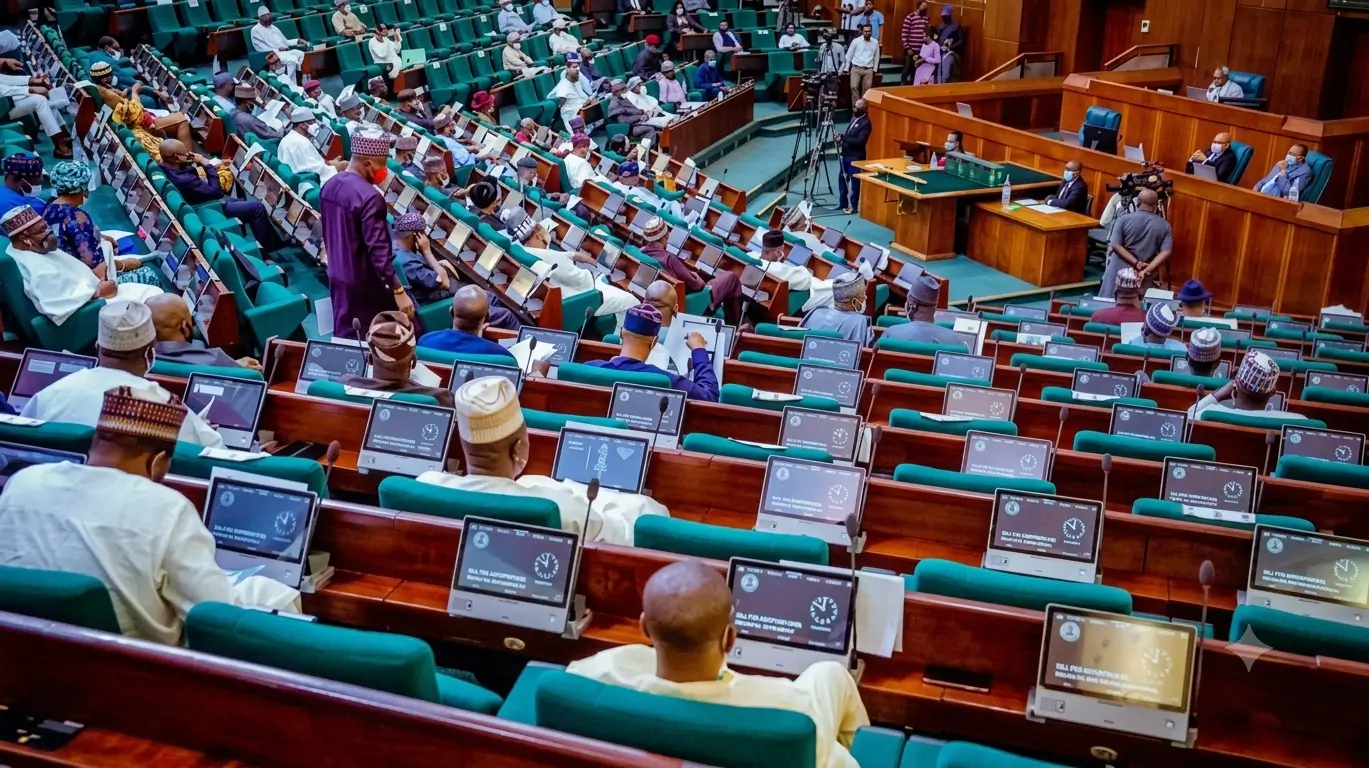
The proposal emerged on Thursday during a stakeholders’ meeting in Abuja attended by lawmakers, security agencies and officials from the Office of the National Security Adviser as part of ongoing consultations aimed at strengthening legal and institutional frameworks against crude oil theft, pipeline vandalism and related offences.
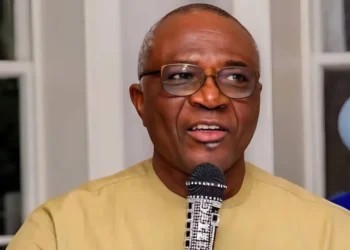
Chairman of the committee, Alhassan Ado-Doguwa, said participants agreed that Nigeria’s existing legal regime has become outdated and is no longer capable of effectively addressing increasingly sophisticated criminal activities in the oil and gas sector.
READ ALSO



According to him, many of the laws currently relied upon by the courts date back to the military era and prescribe punishments that are too weak to deter offenders.
“We have also recommended in previous bills before the House the possibility of establishing a special court for these kinds of crimes because the crimes themselves are special,” Doguwa said.
“If we allow these criminal cases to go through the conventional court system, considering the delays involved, many of them will remain unresolved while the criminals escape appropriate punishment.”
The lawmaker stressed that Nigeria’s crude oil production remains below budget projections largely because of persistent theft, illegal refining activities and pipeline vandalism.
He noted that tackling the problem is essential to boosting government revenues, restoring investor confidence and improving energy security.
Doguwa clarified that the proposed reforms would not affect provisions of the Petroleum Industry Act, saying the PIA primarily addresses commercial and operational aspects of the petroleum sector rather than criminal prosecution.
“The global oil and gas economy is now in an advanced stage. Virtually all oil-producing countries are making progress because they have provided effective legal instruments to address their challenges,” he said.
Industry experts have repeatedly identified crude oil theft as one of the biggest obstacles to Nigeria’s oil sector growth, with billions of dollars reportedly lost annually to illegal bunkering and pipeline sabotage, particularly across the Niger Delta.
The committee also criticised the absence of the Nigerian Upstream Petroleum Regulatory Commission from the meeting, describing the agency’s non-attendance as disappointing given its strategic role in regulating upstream activities.
“It was rather unfortunate that some of the critical regulatory agencies in the oil and gas sector, particularly the NUPRC, neither attended nor sent representatives,” Doguwa stated.
“We have directed the Clerk of the Committee to write to them because they are key stakeholders in the fight against this serious problem bedevilling our country.”
A member of the committee, Cyril Hart, argued that economic sabotage extends beyond outright theft, insisting that operators who fail to develop oil blocks within stipulated timelines should also be held accountable.
“The oil belongs to Nigerians. If an oil block is not exploited for the benefit of Nigerians, that also amounts to crude oil loss and economic sabotage,” Hart said.
Representing the National Security Adviser, Nuhu Ribadu, Director of Energy Security at ONSA, Goodluck Ilajufi, urged lawmakers to strengthen punishment regimes for offenders, lamenting what he described as insignificant penalties imposed on convicted oil thieves.
“My experience in the field is that after enormous state resources are spent arresting and prosecuting these criminals, the punishment they eventually receive is almost meaningless,” he said.
“A judge may sentence someone to five years’ imprisonment with an option of a N100,000 fine. That makes a mockery of the entire process.”
Ilajufi called for amendments to existing laws, including provisions dealing with tampering with petroleum infrastructure and petroleum product adulteration.
The Assistant Commandant General (Operations) of the Nigeria Security and Civil Defence Corps, David Idowu, also backed the proposal for a special court, saying weak legislation has remained a major obstacle in the fight against crude oil theft.
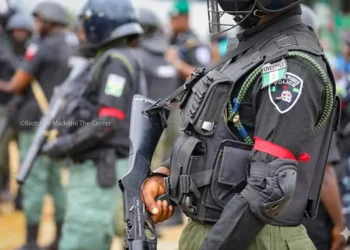
Security agencies represented at the meeting included the Nigerian Army, Nigerian Navy, Nigerian Air Force, Nigeria Police Force and the NSCDC, all of which pledged continued collaboration to combat illegal bunkering and sabotage.
Nigeria has battled crude oil theft for decades, with experts warning that inadequate prosecution, slow judicial processes and lenient penalties have significantly undermined enforcement efforts despite repeated security crackdowns.