




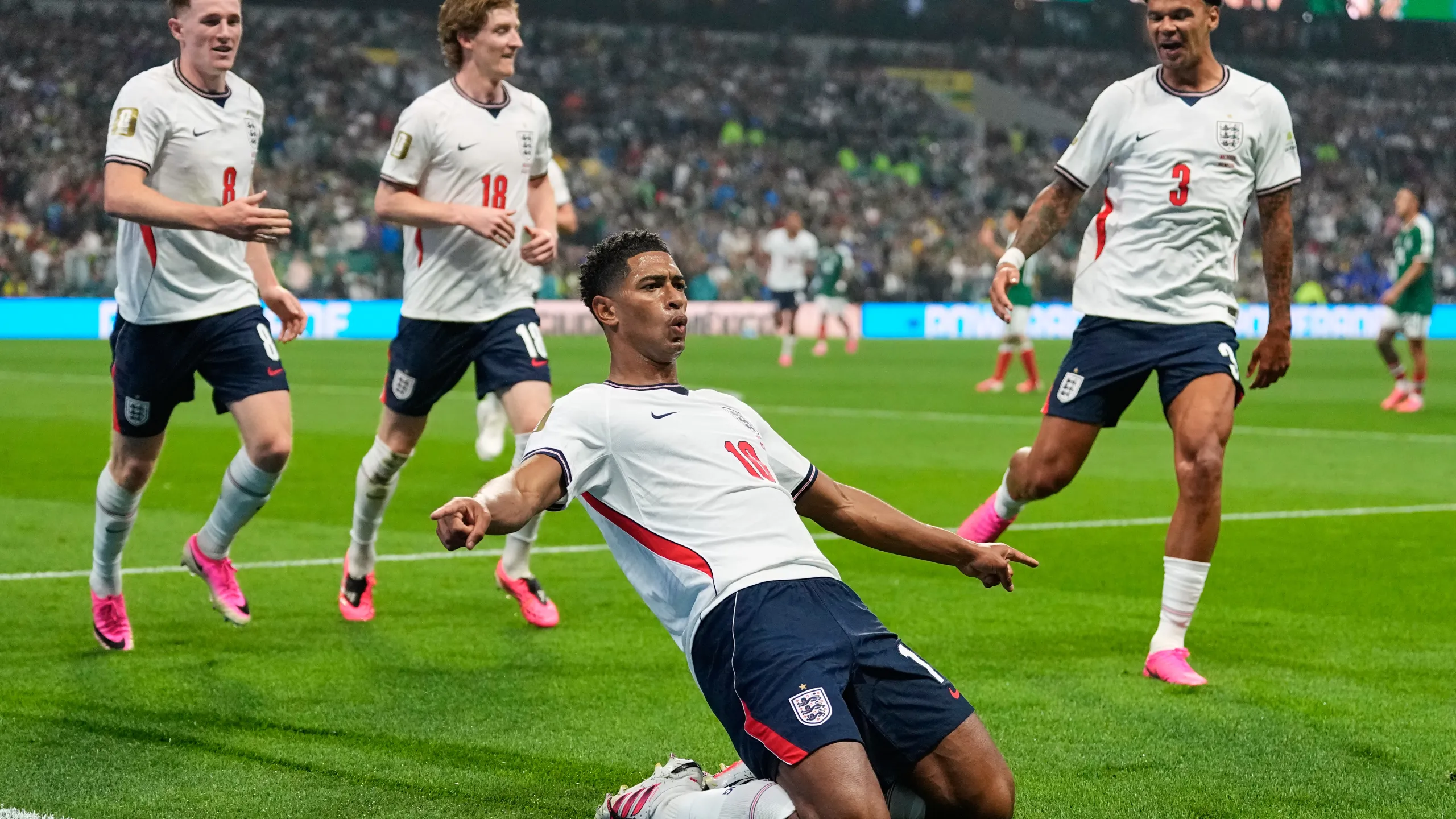
England’s wait for a second FIFA World Cup title stretched to 60 years after another painful collapse on football’s biggest stage, with tactical decisions rather than talent emerging as the defining story of their 2-1 semi-final defeat to Argentina.
The defeat extended England’s frustrating sequence of near misses following the 2018 World Cup semi-final loss to Croatia, the UEFA Euro 2020 final defeat to Italy, the Euro 2024 final loss to Spain and now another World Cup semi-final exit under Thomas Tuchel.

For many supporters, the familiar chant of “It’s Coming Home” once again faded into disappointment.



England had shown encouraging signs throughout the tournament. They progressed from the group stage with two victories and a draw before overcoming DR Congo in the Round of 32. They also demonstrated resilience against Mexico despite playing with 10 men after Jarell Quansah’s dismissal and produced an efficient performance against Norway.
Those performances fuelled belief that England finally had the balance to challenge for football’s biggest prize.
That confidence only grew when Anthony Gordon fired England ahead against Argentina.
Instead of pressing home their advantage, England retreated into a deep defensive block, surrendering possession and inviting relentless Argentine pressure.
Tuchel introduced additional defenders as his side attempted to protect a one-goal lead, but the tactical switch reduced England’s attacking threat and allowed Argentina to dominate possession.
Lionel Scaloni responded with bold substitutions, injecting fresh energy and attacking intent. His tactical adjustments eventually paid off as Argentina completed a dramatic comeback to reach the World Cup final.
The contest ultimately became a battle of contrasting philosophies.
England prioritised preserving what they had.
Argentina kept searching for more.
The difference lay not only in technical quality but in adaptability. While Scaloni adjusted repeatedly to the changing rhythm of the game, England remained committed to a defensive strategy that gradually became unsustainable.
The defeat once again reignites debate over England’s approach in major tournaments.
Despite possessing one of the world’s deepest squads, the Three Lions continue to fall short at decisive moments, raising fresh questions about whether excessive caution has prevented them from turning promise into silverware.
Sixty years after lifting the World Cup on home soil, England’s search for another global triumph continues.
For now, football is still not coming home.