



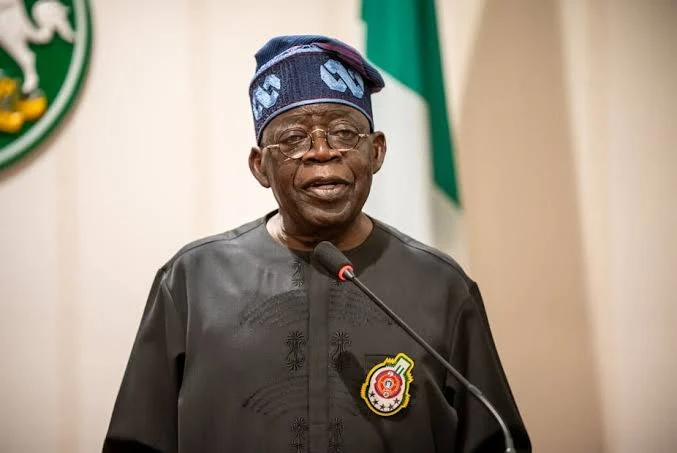
The Presidency has dismissed former Vice President Atiku Abubakar’s allegation that the Federal Government received an unaccounted N7.98 trillion oil windfall, describing the claim as analytically flawed and insisting that no such windfall exists.
In a statement issued on Sunday by the Special Adviser to the President on Information and Strategy, Bayo Onanuga, the Presidency challenged Atiku to explain how he arrived at the figure while defending the economic reforms introduced by President Bola Tinubu’s administration.

According to the Presidency, any additional revenue generated from higher international oil prices is already reflected in monthly Federation Account Allocation Committee allocations.




It argued that Atiku’s calculations overlooked production costs, revenue-sharing arrangements, crude oil contracts and Nigeria’s lower-than-budgeted crude oil production, all of which affect government earnings.
The government noted that although crude oil prices remained above the budget benchmark during the first half of 2026, average production fell below projections, reducing the expected revenue gains.
The Presidency also defended its broader economic policies, saying Nigeria’s dollar-denominated GDP had recovered to about $377 billion following the exchange-rate adjustment, while naira GDP had expanded significantly.
It maintained that Nigeria’s debt profile remains sustainable, citing an improved debt service-to-revenue ratio and insisting that recent borrowing has been directed towards infrastructure and long-term development projects.
The statement further highlighted achievements in education, healthcare and social investment programmes, including student loans, healthcare centre upgrades and basic education projects.
On inflation, the Presidency expressed confidence that price pressures would continue to ease in the coming months, despite temporary disruptions caused by geopolitical tensions.
It maintained that the administration’s reforms, including fuel subsidy removal and foreign exchange liberalisation, are necessary structural measures aimed at strengthening the Nigerian economy over the long term.