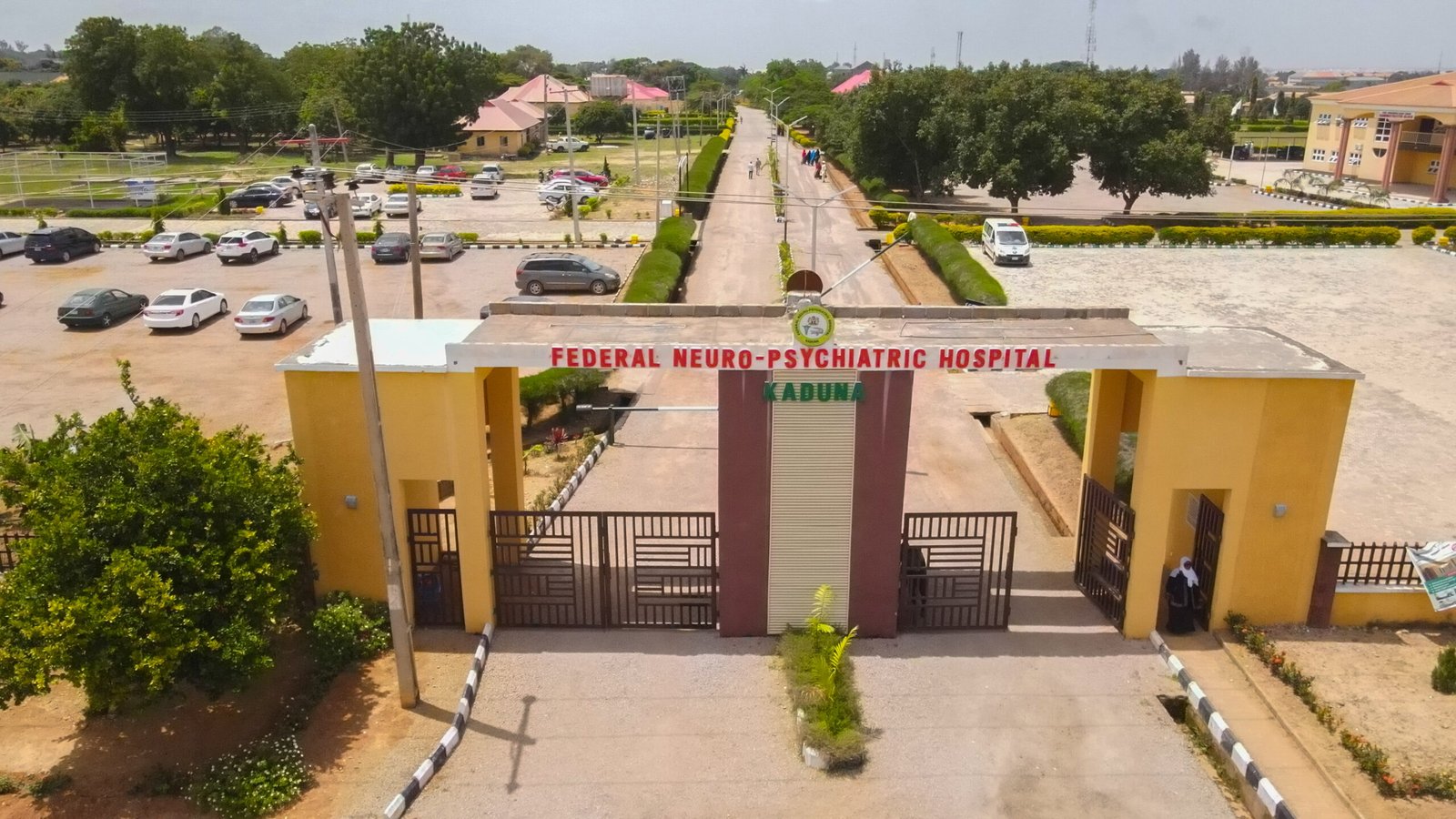
Patients of the Federal Neuropsychiatric Hospital, Kaduna, can now access psychiatric consultations and follow-up care remotely following the launch of a telepsychiatry service by the hospital.
The initiative is designed to reduce the financial and geographical burden faced by patients who travel long distances to Kaduna for specialist mental healthcare.
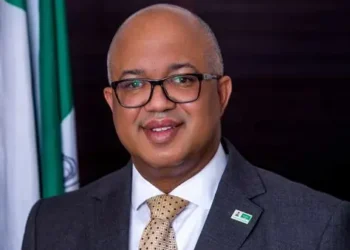
The Medical Director of the hospital, Prof. Aishatu Yusha’u Armaya’u, announced the service during a strategic media engagement in Kaduna, where the hospital also unveiled new patient cards and other digital innovations.




Armaya’u said some patients and their relatives spend heavily on transportation, accommodation and feeding whenever they travel to the hospital for consultations and follow-up.
She said the new platform would enable eligible patients to remain in their communities while receiving specialist care from healthcare professionals at the hospital.
“This is my dream in the next 20 years, to see the impact of what we have done today transferred across the globe, where a patient can stay in the hospital to have affordable, available and accessible mental healthcare at home,” the medical director said.
Armaya’u explained that the telepsychiatry platform would involve a multidisciplinary team rather than doctors alone.
She listed nurses, pharmacists, laboratory scientists, health information managers and administrators among the professionals who would participate in the digital care process.

Patients would be able to schedule appointments, provide the required consent and make payments before receiving consultations remotely.
According to the medical director, the system would also help the hospital plan its services by providing advance information on the number of patients expected for virtual consultations and the nature of their needs.
She said the telepsychiatry initiative was part of a broader plan to decentralise mental healthcare and integrate psychiatric services into primary healthcare facilities across Kaduna State.
Patients whose conditions can be managed at community level, she said, would no longer need to repeatedly travel to the specialist hospital.
“This is not a new thing. Mental health is part and parcel of the primary healthcare package,” Armaya’u said.
She noted, however, that the challenge had been the effective integration of mental healthcare into primary healthcare facilities.
The medical director said specialists at the Federal Neuropsychiatric Hospital would support healthcare workers in other locations through telemedicine.
“Our specialists can support healthcare workers in those centres. They do not necessarily have to bring every patient to the specialist hospital,” she said.
The arrangement, according to her, would reduce pressure on the specialist hospital while giving its professionals more opportunities to focus on research, training and patients requiring complex interventions.
The hospital has already been working with Kaduna State health authorities to integrate mental health services into primary healthcare facilities across the state’s 23 local government areas.
The initiative is intended to bring mental health screening, referral, intervention and specialist support closer to communities.
Armaya’u said the digital transformation became necessary because distance and the cost of accessing healthcare remained major barriers for some psychiatric patients.
She stressed that telemedicine would not replace physical consultations in cases where direct clinical assessment was necessary.
“Where physical assessment is required, the patient will still have to come to the hospital. Telemedicine is not a replacement for every form of clinical care,” she said.
The hospital also launched new patient cards as part of its digital transformation programme.
Armaya’u said the cards would improve patient identification, records management and continuity of care as the institution works towards a mental healthcare system that is more accessible and responsive to patients’ needs.