The Federal Government has ordered stricter enforcement of Ebola screening protocols at Nigeria’s entry points after the Office of the National Security Adviser raised concerns over reported breaches, amid the confirmation of an imported case in Abuja.
The directive requires government agencies, healthcare institutions and other relevant bodies to comply with approved screening procedures, strengthen surveillance and report actual or attempted violations.
The Federal Ministry of Health and Social Welfare issued the directive in a circular dated October 22, 2026, signed by Permanent Secretary Daju Kachollum on behalf of Coordinating Minister of Health and Social Welfare, Professor Muhammad Ali Pate.




The order comes as investigations by Saturday PUNCH across several states reportedly uncovered gaps in public awareness, infection-prevention facilities and emergency preparedness. Some states were still planning to procure protective equipment, while handwashing facilities were absent or inadequate at some markets and motor parks.
NSA raises concerns over screening compliance
According to the ministry’s circular, the directive followed concerns communicated by the Office of the National Security Adviser about reported non-compliance with approved Ebola entry protocols.
The ministry called for consistent and non-discriminatory enforcement of screening procedures, health declaration requirements and other preventive measures intended to reduce cross-border transmission risks.
It also directed relevant institutions to improve coordination, communication and information-sharing to support early detection and prompt responses to potential public health threats.
Agencies are expected to document and report breaches through established channels, support personnel responsible for enforcing the protocols and establish monitoring mechanisms to sustain compliance.
The circular did not disclose the number of reported breaches, identify the affected entry points or explain the specific nature of the alleged violations.
Imported Ebola case confirmed in Abuja
The heightened response followed Nigeria’s confirmation of an imported case of Ebola Bundibugyo virus disease in the Federal Capital Territory on October 20.

The patient was a woman who had travelled from Uganda to Nigeria. Her symptoms began on October 7, four days after her arrival, and she sought medical attention at a private facility in Abuja on October 11. Laboratory testing confirmed the infection on October 20.
The patient was placed in isolation and was receiving medical care, while public health teams began tracing people who might have been exposed.
As of October 20, authorities had identified 44 contacts for monitoring. Investigations were continuing to establish the likely source of infection and reconstruct the patient’s travel and exposure history.
The confirmation of one imported case does not, by itself, establish widespread transmission in Nigeria. The immediate public health priorities include identifying contacts, monitoring possible exposure and preventing further transmission.
Reported gaps in state preparedness
The Saturday PUNCH investigation reported varying levels of preparedness across the states visited.
In Lagos, correspondents found that a facility in Yaba previously used for managing COVID-19 and other infectious diseases appeared to have been converted for use by a nursing school. The report did not establish whether isolation services had been relocated or whether emergency treatment capacity remained available elsewhere.
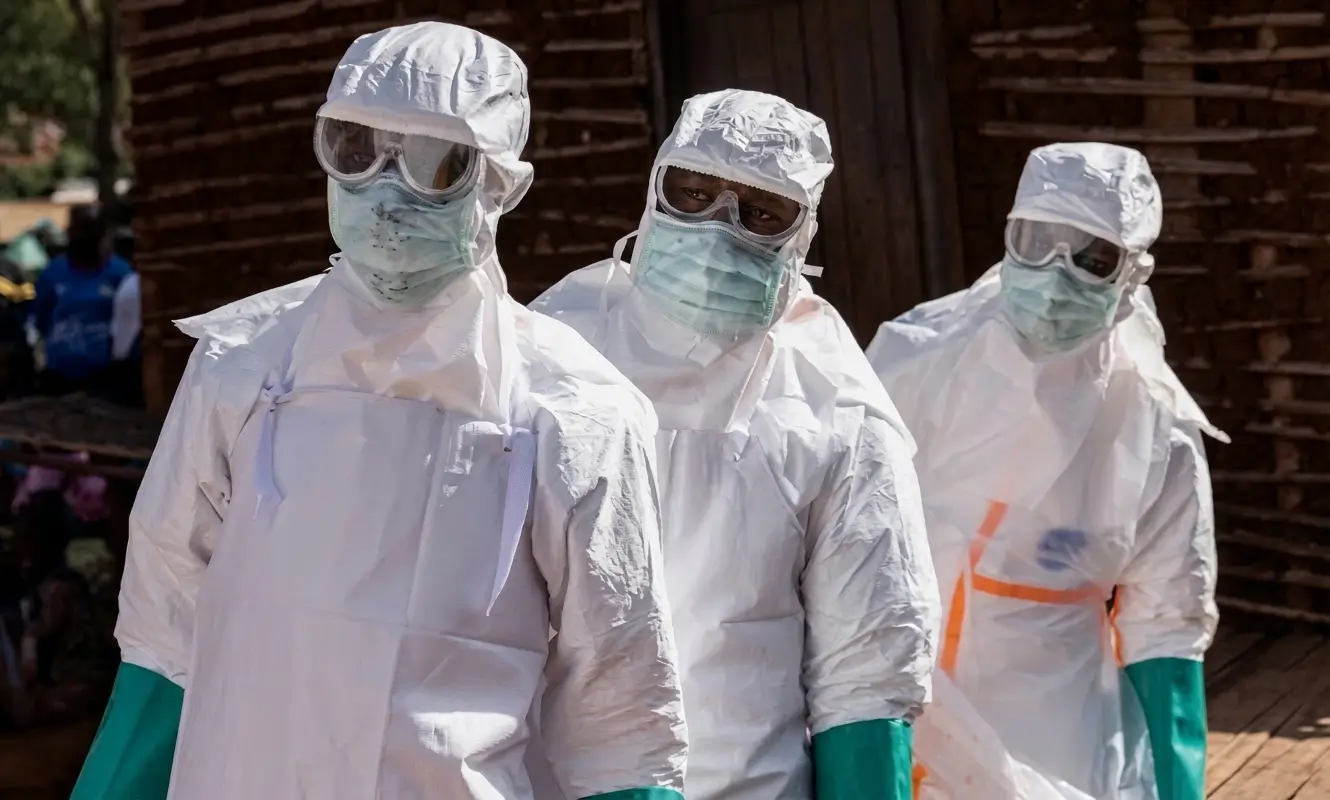
The newspaper also reported limited handwashing facilities at some markets and transport hubs, while Nasarawa officials said they were planning to procure personal protective equipment for frontline health workers.
In Plateau State, some hospitals had reportedly reactivated infection-prevention measures, including handwashing stations, sanitiser dispensers and screening procedures. Other public locations inspected by correspondents had limited or no visible handwashing facilities.
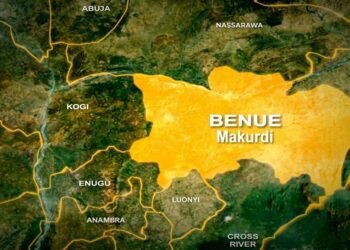
State officials in Kano and Yobe said they had reinforced infection-prevention measures and surveillance, while Benue and Kwara authorities reported steps to improve monitoring and preparedness.
These findings reflect observations at specific locations visited by the newspaper and should not be taken as a comprehensive assessment of every health facility in the affected states.
Public awareness and accurate information
The report also found that some residents in Lagos, Ogun, Osun, Benue and Sokoto were unaware of the confirmed case or uncertain about the disease and how to report suspected infections.
Some residents expressed fears about travelling in crowded vehicles, while others called for clearer public information. The report also documented misconceptions and unverified claims about the reasons for the alert.
Public health authorities face the task of communicating accurate information without creating unnecessary panic or encouraging stigma against travellers and people from affected areas.
Ebola disease can spread through direct contact with the blood or bodily fluids of infected people, or contaminated materials. Prompt identification, isolation, contact tracing and infection-prevention measures are important in limiting transmission.
Nigeria experienced an Ebola outbreak in 2014 after an infected traveller arrived in Lagos. The outbreak was contained through coordinated public health measures, with the World Health Organisation declaring Nigeria Ebola-free in October of that year.
The latest case has renewed attention on the need for effective screening at entry points, adequate protective equipment, public awareness and coordinated emergency preparedness.