



President Bola Tinubu has approved the allocation of plots of land in Abuja to Nigeria’s ambassadors and high commissioners-designate, in a move the Federal Government says is aimed at strengthening diplomatic engagement and giving the country’s foreign representatives a permanent base in the nation’s capital.
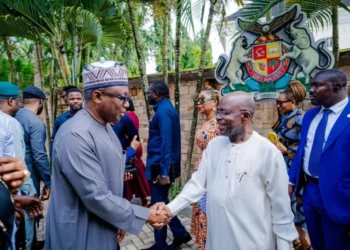
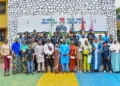
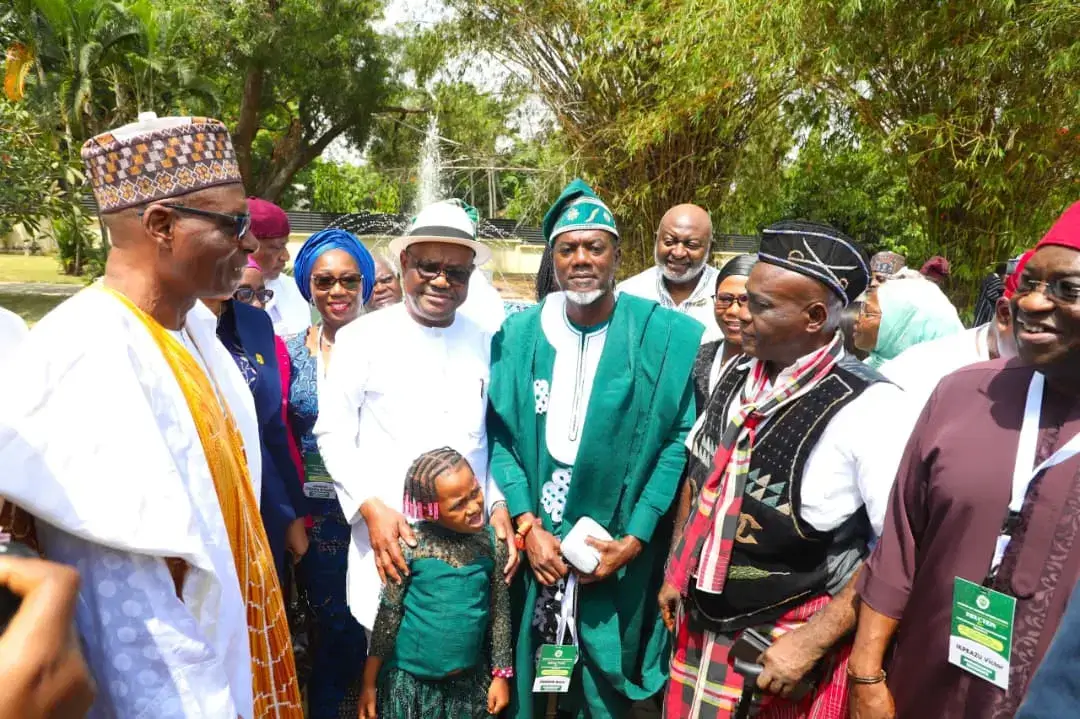
The Minister of the Federal Capital Territory, Nyesom Wike, disclosed the development on Wednesday while hosting the newly appointed envoys at his official residence in Life Camp, Abuja, as part of their ongoing induction programme ahead of deployment to foreign missions.
The delegation was led by the Permanent Secretary of the Ministry of Foreign Affairs, Dunoma Umar Ahmed.
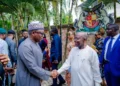

Wike said President Tinubu approved the land allocation to ensure that Nigerian diplomats posted abroad have a place to return to in Abuja for consultations, policy briefings, and official engagements.
According to him, many of the envoys currently do not own property in the Federal Capital Territory, making it difficult for them to maintain a physical presence in the seat of government whenever they are back in the country.
“The President believes that most of you do not have a place in Abuja. He wants to encourage you to have somewhere you can stay,” Wike said.
The latest approval comes weeks after Tinubu approved the posting of 65 ambassadors and high commissioners, comprising both career diplomats and political appointees, following Senate confirmation.
Some of the newly posted non-career envoys include notable political figures and public commentators, reflecting the administration’s broader diplomatic strategy.
Beyond the land allocation, Wike used the meeting to charge the diplomats to intensify Nigeria’s economic diplomacy efforts and attract foreign direct investment into the country.
He said President Tinubu had embarked on extensive foreign engagements to reposition Nigeria as an investment destination and urged the envoys to sustain that momentum in their various host countries.
“You are the mirror of this country. The way you carry yourselves and the confidence you build abroad will determine how Nigeria is perceived,” the minister said.
Wike identified agriculture and waste management as critical sectors where the Federal Capital Territory is seeking international investment.
He noted that satellite towns such as Gwagwalada and Kwali have vast agricultural potential capable of supporting food production, employment, and economic expansion.
According to him, unlocking those opportunities through foreign partnerships would strengthen the FCT economy and contribute to national development.
The minister also dismissed concerns in some political circles that Nigeria was drifting toward a one-party state, insisting that the country remains committed to democratic plurality.
He urged the envoys to project that message clearly in their countries of posting.
Wike also revealed that the FCT Administration is exploring development partnerships with Saudi Arabia, Egypt, and the European Commission as part of broader efforts to attract investment and technical cooperation.
Earlier, Foreign Affairs Permanent Secretary Ahmed described the visit as part of the ambassadors’ induction process and stressed the strategic role of Abuja in Nigeria’s diplomatic architecture.
Ahmed said the envoys were assuming office at a critical point in Nigeria’s development, where economic diplomacy and global partnerships would be central to advancing national interests.
He also praised the ongoing transformation of Abuja, noting that improvements in infrastructure and urban development contribute significantly to Nigeria’s international image.
The land allocation and policy engagement highlight the Federal Government’s broader effort to strengthen diplomatic institutions and position Nigeria’s foreign missions as key channels for economic growth, international cooperation, and investment promotion.