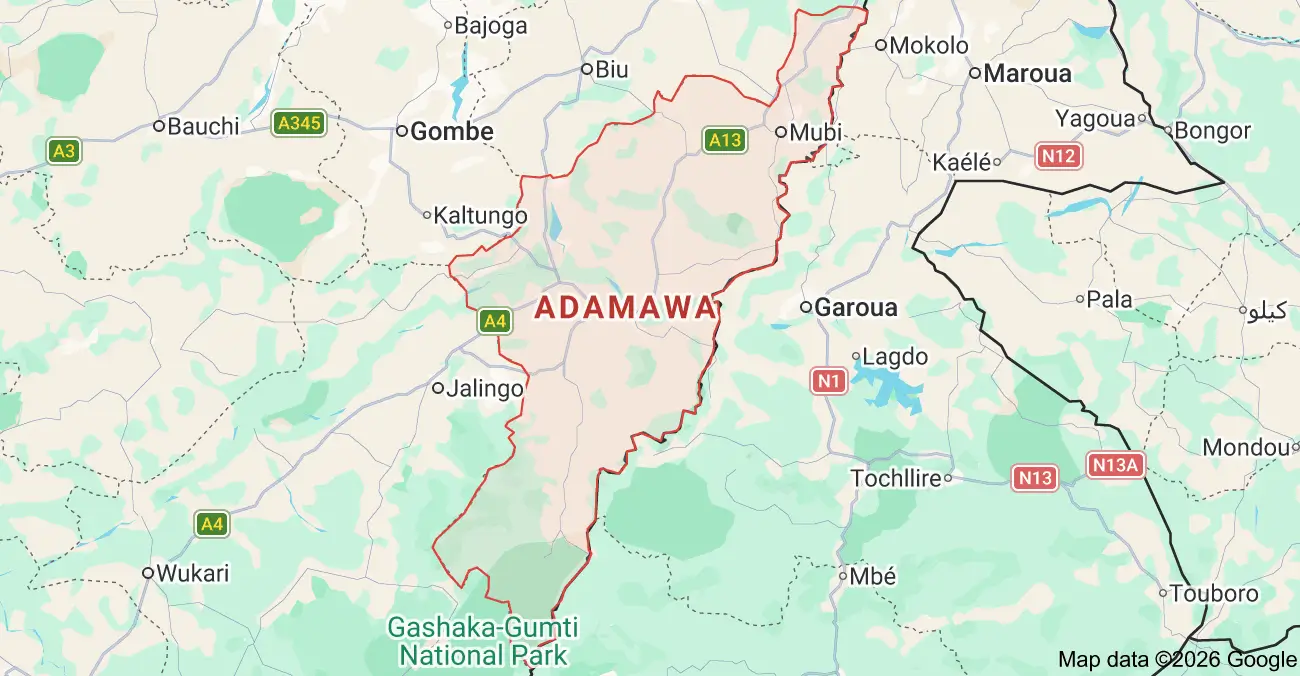
Fresh crisis is threatening the All Progressives Congress(APC) in Adamawa State ahead of the party’s House of Representatives primaries, with more than 78 aspirants openly rejecting alleged moves to impose consensus candidates across the state’s federal constituencies.
The aggrieved aspirants, operating under the Forum of Adamawa APC House of Representatives Aspirants, warned on Friday that any attempt to manipulate the primaries could worsen internal divisions within the party and weaken its chances ahead of the 2027 general elections.
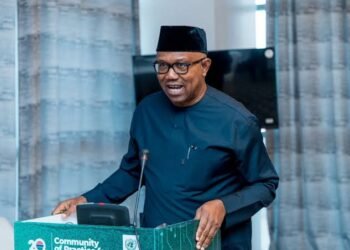
Addressing journalists in Yola, the Adamawa State capital, spokesman of the forum, Mr. Vrati Nzonzo, accused some party officials of pressuring aspirants to step down on the grounds that certain candidates had already been endorsed by powerful interests within the party structure.




Nzonzo specifically appealed to Governor Ahmadu Umaru Fintiri and the National Security Adviser, Nuhu Ribadu, to intervene and ensure that the primaries comply with the Electoral Act and the APC constitution.
“Since consensus has failed across the eight federal constituencies of Adamawa State, the forum calls on the party to conduct free, fair and credible primaries across all 226 wards of the state,” Nzonzo said.
According to him, several aspirants had allegedly been contacted by state party executives and directed to withdraw from the race because of what they described as “orders from above.”
“The forum notes that some members have been contacted by certain state party executives and compelled them to step down, citing directives allegedly linked to the governor and some invoking the name of the National Security Adviser,” he stated.
He also claimed that information had filtered through the party structure about the emergence of what he described as a “Presidential List” containing preferred candidates for the eight House of Representatives seats in the state.
The aspirants argued that imposing unpopular candidates could trigger further defections and repeat the internal crisis that affected the party’s electoral fortunes in previous election cycles.
Adamawa has remained one of the most politically competitive states in the North-East, with intense rivalry between the APC and the Peoples Democratic Party. Governor Fintiri of the PDP secured re-election in 2023 after defeating APC candidate Aishatu Binani in a fiercely contested governorship election that generated national attention.
Political observers say the latest dispute within the APC reflects deeper tensions over control of party structures ahead of the next electoral cycle, especially as key figures jostle for influence across the state’s three senatorial zones.
Nzonzo warned that bypassing due process could damage the credibility of the primaries and create resentment among party loyalists.
“We want to remind the party that actions that subvert due process threaten the party’s prospects and electoral success, bearing in mind the experiences of the 2019 and 2023 elections in the state,” he said.

The forum also appealed to supporters to remain calm and avoid violence as consultations continue within the party.
The controversy escalated further following the resignation of southern Adamawa senatorial aspirant, Mr. Peter Fwa, who dumped the APC on Thursday over alleged plans by party leaders to impose candidates.
Although Fwa did not publicly mention specific individuals behind the alleged arrangement, his exit has heightened concerns about widening cracks within the opposition party in the state.
Attempts to get an official reaction from the Adamawa APC leadership were unsuccessful as of Friday evening. However, party insiders insist consultations are ongoing to prevent the situation from degenerating into a full-scale internal rebellion before the primaries.
The APC national leadership has repeatedly emphasised consensus arrangements as part of its internal strategy in some states, provided such agreements are voluntarily accepted by aspirants in line with provisions of the Electoral Act.
Under Nigeria’s electoral laws, political parties are permitted to adopt consensus candidates only if all aspirants involved agree to the arrangement. Where consensus fails, parties are expected to conduct direct or indirect primaries.
With the primaries scheduled to hold tomorrow, attention is now focused on whether the party leadership can calm rising tensions and conduct a process that avoids fresh defections and prolonged litigation in one of the North-East’s most politically strategic states.