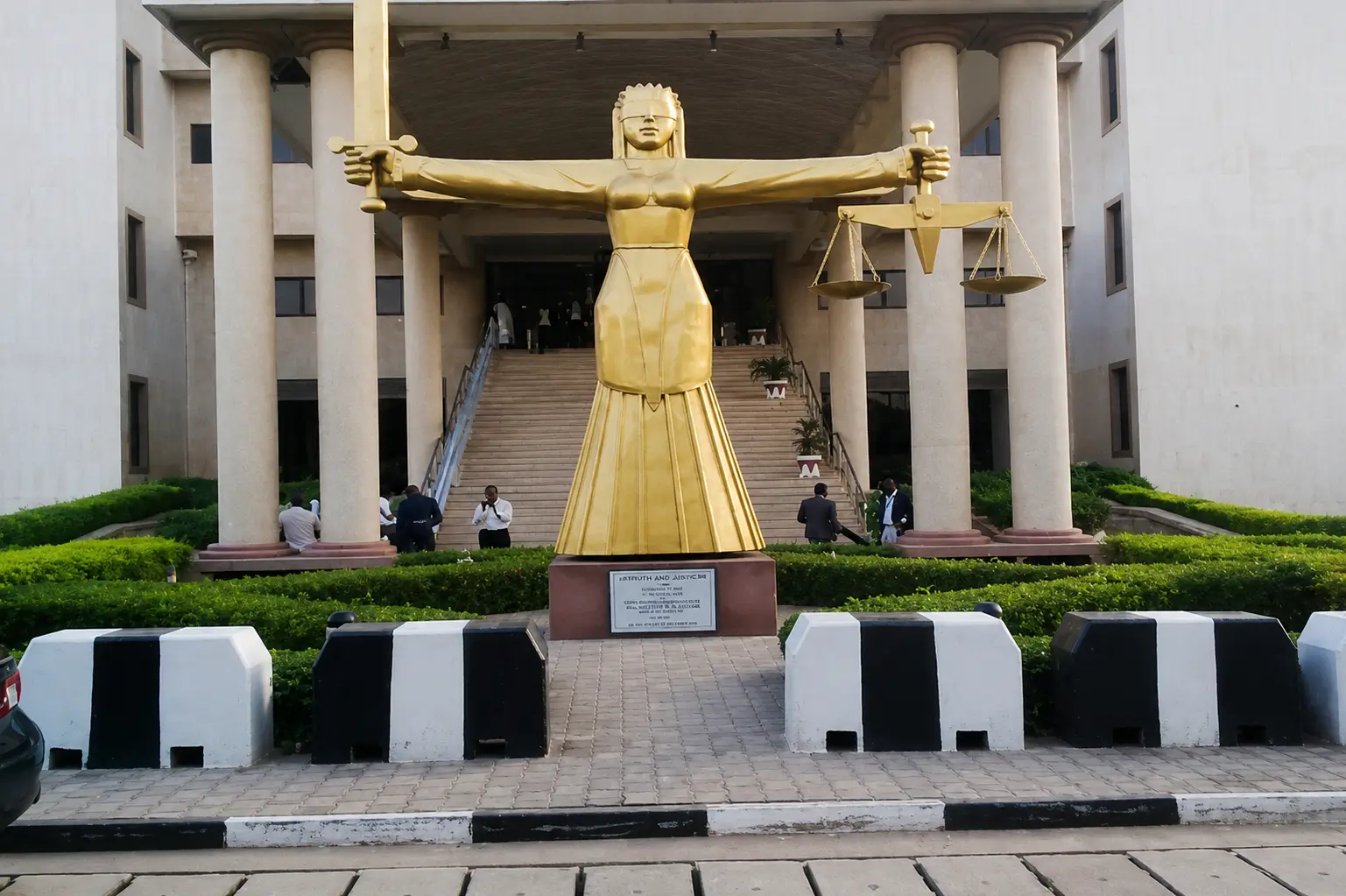
The Federal High Court in Abuja on Monday granted bail to social media activist and commentator, Justice Mark Chidiebere, popularly known as Justice Crack, in the sum of N5 million over alleged cybercrime-related offences tied to viral videos involving Nigerian soldiers.
Justice Joyce Abdulmalik, who ruled on the bail application, ordered that the defendant must provide one surety in like sum before he can regain freedom.

The court also imposed strict conditions on the surety, directing that the individual must reside within the court’s jurisdiction for at least four years and provide verifiable proof of residence, including a tenancy agreement or certificate of occupancy.




Justice Abdulmalik further ruled that the surety must be a federal civil servant not below Grade Level 15, with evidence of pensionable employment, salary payment records for at least three months, and an authentication letter from the person’s head of department.
The judge also ordered the surety to depose to an affidavit of means and submit a recent passport photograph, while the defendant was directed to surrender his international passport to the court.
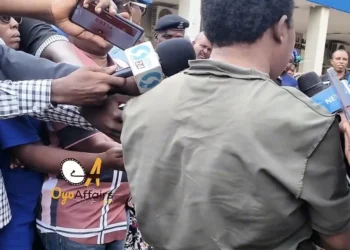
The ruling came as the Federal Government commenced trial proceedings against the activist, whose arrest in late April triggered widespread debate on freedom of expression, military accountability and cybercrime enforcement in Nigeria.
During Monday’s proceedings, prosecuting counsel, M.L. Jackson, informed the court that the prosecution was ready to open its case.
The first prosecution witness, identified as Uruntu Douglas, a Department of State Services operative, told the court that Justice Crack was transferred to the DSS by the Nigerian Army Intelligence Corps for investigation after publishing videos allegedly linked to military operations.
According to the witness, the activist voluntarily made an extra-judicial statement in the presence of his lawyers.
Douglas told the court that some soldiers allegedly forwarded photographs and materials to the defendant, who later produced videos from the content and posted them on social media without verification from military authorities.
The witness also claimed forensic investigators extracted several materials from the defendant’s mobile device, including alleged chats with soldiers, conversations discussing protests with a person described as his “godfather,” and videos allegedly uploaded online.
He added that a certificate of compliance was issued following the forensic analysis.
During the hearing, defence counsel, Sam Amadi, objected after informing the court that the defence team had not been served with some of the investigation documents the prosecution sought to tender.
The prosecution admitted the omission and apologised, describing it as an oversight.
Justice Abdulmalik subsequently admitted the DSS investigation report as Exhibit A.
The prosecution also tendered an iPhone allegedly recovered from the activist, alongside a flash drive said to contain social media videos and extracted conversations.

However, the defence opposed the admissibility of the flash drive, arguing that its contents had not been properly identified or played before the court.
The case was adjourned until May 25 for continuation of trial.
Justice Crack was arraigned on charges bordering on alleged cybercrime, felony and conduct capable of causing public disturbance after videos criticising the feeding conditions of soldiers deployed to conflict areas surfaced online.
The Attorney General of the Federation later took over prosecution of the matter from the DSS.
Justice Crack arrest earlier sparked condemnation from several civil society groups and activists, who accused security agencies of intimidation and unlawful detention. The Nigerian Army, however, defended the arrest, insisting the case involved allegations capable of undermining military discipline and national security.