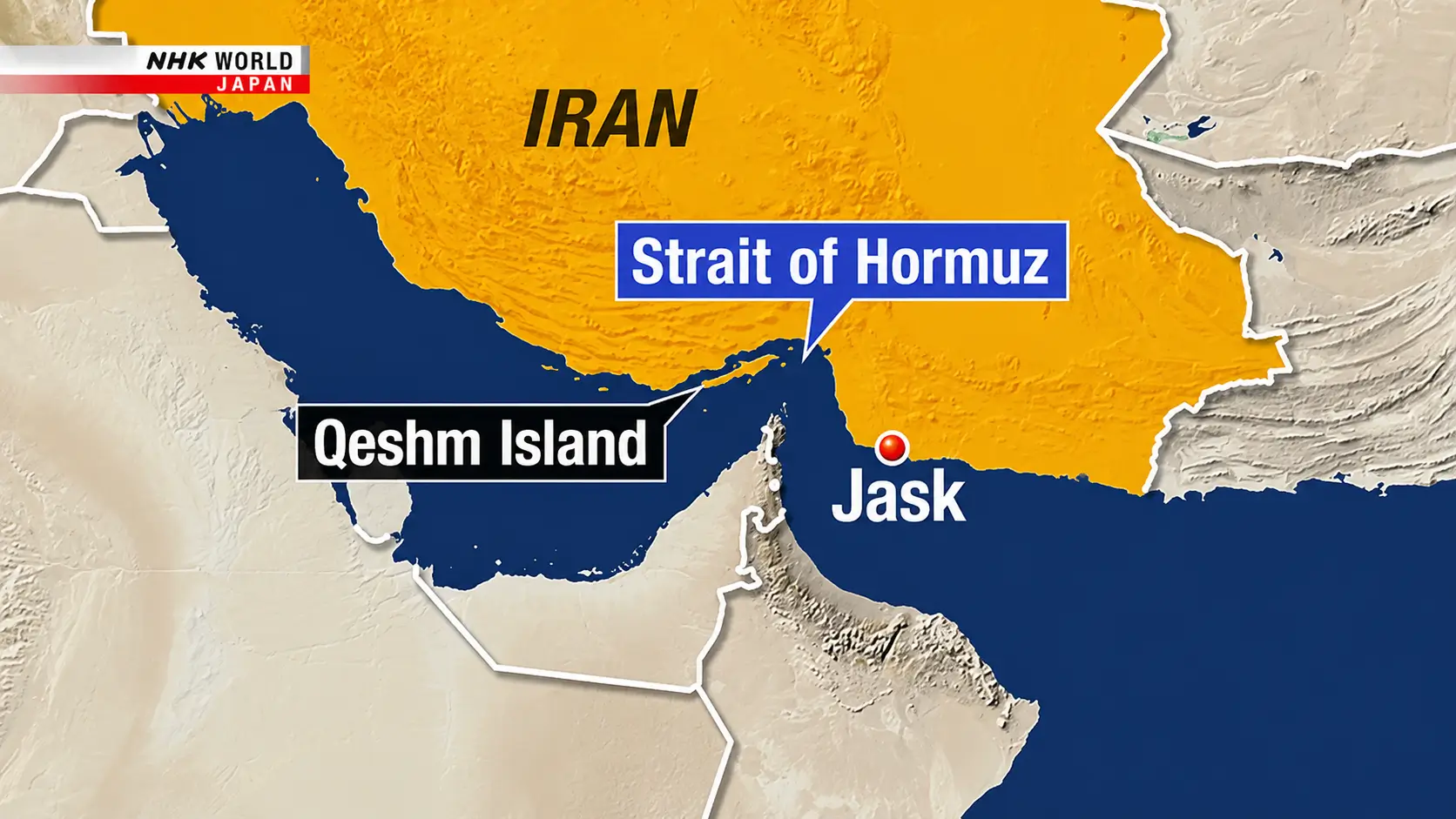
Iran has formally unveiled a new maritime authority to oversee operations in the Strait of Hormuz, deepening Tehran’s grip on one of the world’s most strategically important shipping routes amid continuing tensions with the United States and Israel.
The Iranian Supreme National Security Council on Monday announced the creation of the Persian Gulf Strait Authority (PGSA), a body expected to regulate shipping activity and coordinate maritime operations in the vital waterway.
The authority also launched an official account on X, saying it would provide “real-time updates” on developments in the strait.




The move comes nearly three months after conflict erupted between Iran, the United States and Israel on February 28, triggering widespread disruption to commercial shipping through the Strait of Hormuz.
Although a fragile ceasefire has remained in place since April 8, maritime traffic has yet to fully recover, with Tehran insisting that shipping through the corridor “will not return to its pre-war status.”
The Strait of Hormuz remains one of the world’s most critical energy chokepoints, handling nearly one-fifth of global oil and liquefied natural gas shipments during peacetime.
The prolonged disruption has rattled international energy markets, pushed insurance costs higher and intensified fears of a wider global supply crisis.
Iranian officials say the new authority is designed to establish a structured system for maritime transit through the waterway.
Earlier reports from Iran’s state-linked broadcaster Press TV indicated that vessels moving through the strait had begun receiving operational regulations from the PGSA through official communication channels.
Iranian lawmakers have also hinted that the authority could administer transit tolls for commercial vessels using the route.
Ebrahim Azizi, chairman of the Iranian parliament’s national security commission, said over the weekend that Tehran had developed a “professional mechanism” for managing traffic through the strait and would unveil it shortly.
Iran has also signalled plans to reopen a restricted commercial shipping corridor under strict conditions.
Iranian authorities reportedly said access would be limited to commercial vessels cooperating with Tehran, while US vessels and ships linked to allied military operations would remain excluded.
The United States has simultaneously maintained pressure on Iran through naval enforcement measures around Iranian ports.
American officials claimed on Sunday that dozens of vessels had already been redirected as part of Washington’s maritime enforcement operations linked to the conflict.

The development has further escalated diplomatic tensions between Tehran and Washington.
US President Donald Trump on Sunday warned that “the clock is ticking” for Iran as negotiations over a broader peace arrangement remain stalled.
“For Iran, the Clock is Ticking, and they better get moving, FAST, or there won’t be anything left of them,” Trump wrote on Truth Social.
The latest warning followed the White House’s rejection of Tehran’s recent proposal seeking to separate nuclear negotiations from ongoing ceasefire talks.
Since the outbreak of the conflict, Washington has repeatedly demanded that Iran abandon its uranium enrichment programme, while Tehran has accused the US and Israel of attempting to impose military and economic pressure on the Islamic Republic.
Analysts say Iran’s decision to institutionalise its control over the Strait of Hormuz marks a significant shift from temporary wartime restrictions to a more permanent administrative structure capable of influencing global maritime trade and oil markets.
The emergence of the PGSA has already sparked international legal debate over freedom of navigation under international maritime law, with critics arguing that no single country can unilaterally impose transit conditions on an international shipping corridor.