



The United States has warned that it is prepared to resume military action against Iran if ongoing negotiations fail, as both countries continue to exchange conflicting signals over a proposed agreement aimed at ending months of conflict that have destabilised the Middle East and rattled global energy markets.
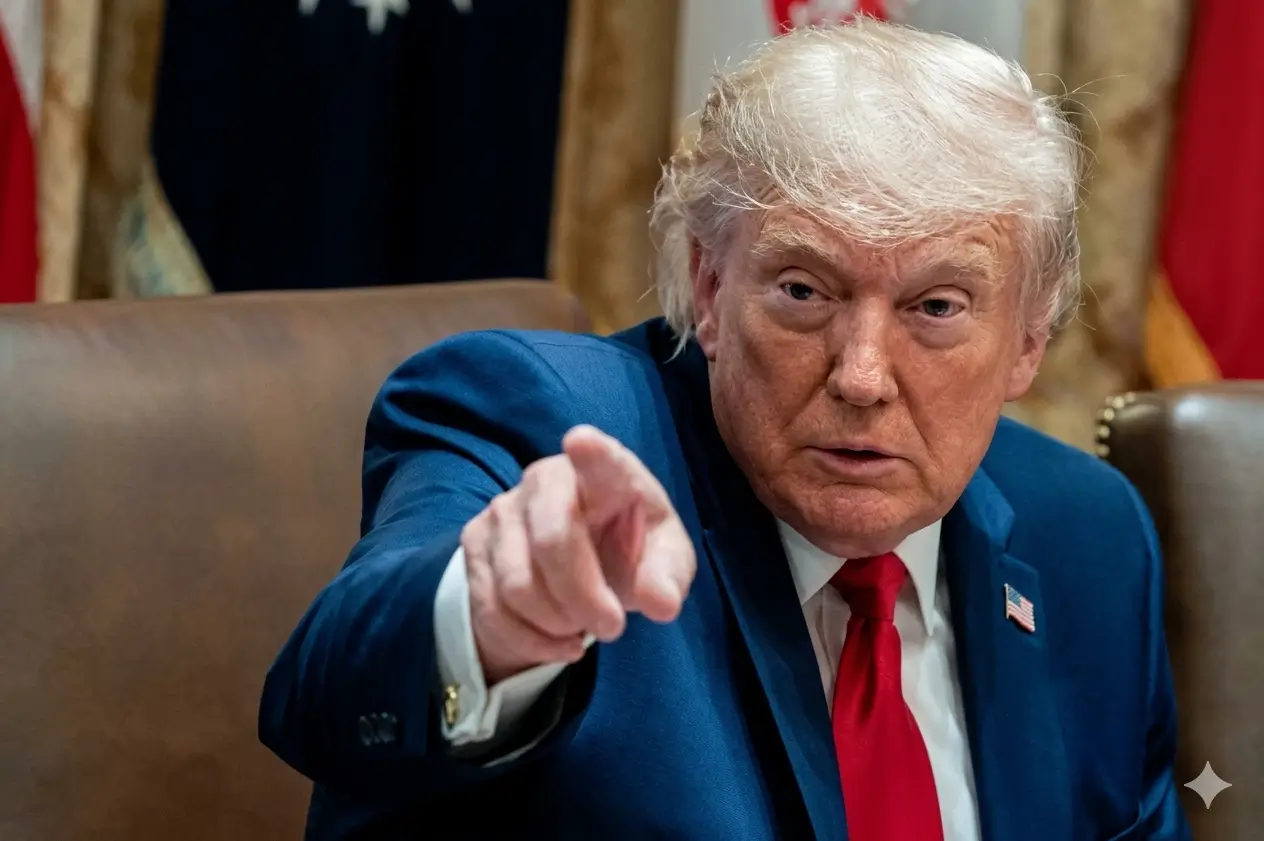
The latest uncertainty emerged after US President Donald Trump said he was considering a framework that could extend the fragile ceasefire and pave the way for broader peace talks. However, Iranian officials swiftly rejected suggestions that a final agreement had been reached, insisting that negotiations remain ongoing.
Speaking in Singapore on Saturday, US Defence Secretary Pete Hegseth said Washington retained the capability to restart military operations if necessary.



“Our ability to recommence if necessary is that we are more than capable,” Hegseth said, stressing that the United States maintained sufficient military stockpiles and regional readiness.
The warning came after Trump convened a high-level meeting in the White House Situation Room to review a proposed understanding between Washington and Tehran. Despite expectations of a breakthrough, no final decision was announced after the meeting.
Trump has repeatedly stated that any agreement must guarantee that Iran never acquires nuclear weapons and that shipping through the strategically vital Strait of Hormuz resumes without restrictions.
Iran’s Foreign Ministry spokesman, Esmaeil Baghaei, pushed back against Trump’s comments, saying message exchanges between both sides were continuing but no final understanding had been reached.
“We said goodbye to the language of ‘must’ 47 years ago,” Baghaei said, rejecting what Tehran views as unilateral US demands.

Iranian officials also disputed Trump’s claims regarding the reopening of the Strait of Hormuz and the proposed disposal of Iran’s enriched uranium stockpile. Reports from Tehran indicate that Iran is seeking the release of frozen assets before moving to the next stage of talks.
The negotiations have been complicated by deep mistrust on both sides. Iranian parliamentary speaker Mohammad Bagher Ghalibaf said Tehran would judge Washington by actions rather than promises, insisting that Iran would not take any step before the United States acted first.
Diplomatic efforts have continued despite recent military exchanges that threatened the fragile ceasefire. Earlier this week, tensions rose following strikes linked to both countries, renewing concerns that the conflict could escalate again.
The regional crisis has also extended into Lebanon, where fighting involving Israeli forces and Hezbollah remains active despite previous ceasefire attempts. Israeli Prime Minister Benjamin Netanyahu recently announced further advances by Israeli troops, highlighting the broader dimensions of the conflict.
Analysts believe the coming days could be critical. Although both sides have acknowledged progress on several issues, major disagreements remain over Iran’s nuclear programme, sanctions relief and long-term security arrangements in the Gulf.
For now, hopes of a diplomatic breakthrough remain alive, but the distance between Washington’s optimism and Tehran’s caution suggests a final peace agreement is still some way off.