




The Christian Association of Nigeria (CAN) has declared a three-day national mourning period over the worsening security crisis across the country and called on the Federal Government to immediately declare a state of emergency on security.
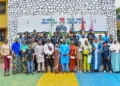
The decision was announced on Tuesday at the end of the 2026 National Church Denominational Leaders Summit held in Abuja, where church leaders expressed deep concern over escalating kidnappings, terrorist attacks, killings and mass displacement affecting communities across Nigeria.
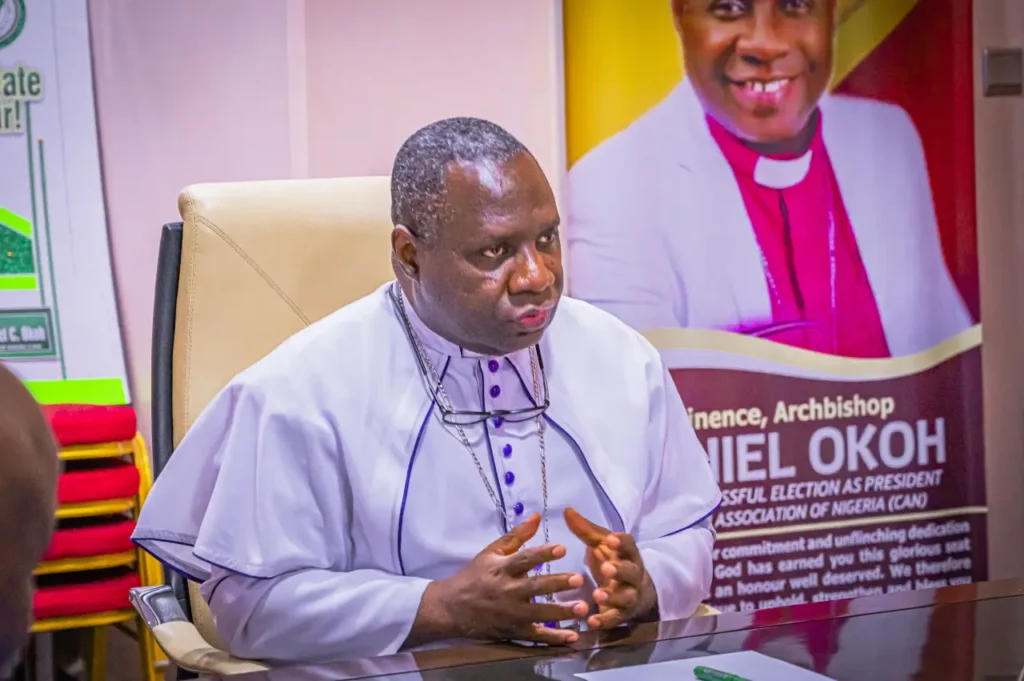
CAN President, Archbishop Daniel Okoh, said the current wave of violence has reached alarming levels, warning that many Nigerians now live under constant fear as criminal groups continue to target communities, schools, churches, highways and farmlands.

The association announced that the mourning period would run from Friday, June 12, to Sunday, June 14, 2026, with churches across the country directed to observe June 14 as “Black Sunday” in honour of victims of violence and in solidarity with families affected by insecurity.
According to Okoh, the protection of lives and property remains the foremost constitutional responsibility of government and requires urgent intervention.
“Communities are under attack, citizens are kidnapped from their homes and places of work, travellers are abducted on highways, farmers are driven from their lands, while innocent men, women and children are killed, maimed, displaced and, in some cases, brutally beheaded by criminal and terrorist elements,” he said.
The Christian body condemned what it described as barbaric acts of murder, rape, torture, forced displacement and abduction being carried out by criminal groups in different parts of the country.
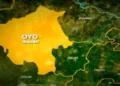
Church leaders at the summit expressed concern over recent attacks and mass abductions reported in states including Oyo, Ogun, Borno, Kwara and Kogi, warning that continued insecurity poses a serious threat to national unity, economic growth and social stability.
CAN also criticised what it described as an overreliance on conciliatory rhetoric by some government officials in response to serious security threats.
The association called for a comprehensive review of Nigeria’s security architecture, improved intelligence gathering, stronger cooperation among security agencies and greater accountability in security operations.
A major recommendation from the summit was the immediate acceleration of constitutional and legislative processes for the establishment of state police and other decentralised security structures.
According to CAN, localised policing would improve intelligence gathering, strengthen rapid response capabilities and enhance accountability at the community level.

The association further demanded the immediate and unconditional release of all abducted schoolchildren, teachers and other citizens currently being held captive across the country.
The church body urged security agencies to intensify rescue efforts until every victim regains freedom.
Beyond security reforms, CAN called for the establishment of a national compensation, rehabilitation and resettlement programme for victims of terrorism, kidnapping and violent attacks.
The association argued that families who have lost loved ones, communities destroyed by violence and persons living with permanent injuries deserve justice, support and restoration.
CAN also urged churches nationwide to expand humanitarian support, trauma care, youth engagement and peacebuilding initiatives for affected communities.
In a direct message to political leaders, the association expressed concern over growing political activities, defections and early electioneering campaigns while many communities remain under siege.
The summit urged political parties and public office holders to prioritise national security above partisan interests and focus on restoring public confidence in state institutions.
CAN also called on the Nigeria Labour Congress, Nigerian Bar Association, Nigeria Union of Teachers, student organisations, civil society groups and traditional institutions to join efforts aimed at holding government accountable on security matters.