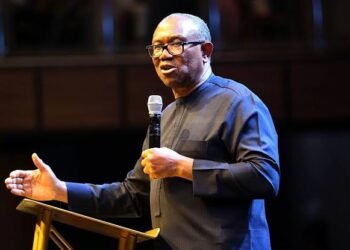




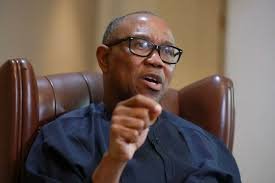
he Nigeria insecurity crisis has once again come under national spotlight following fresh concerns raised by Peter Obi. The former presidential candidate has warned that the country is facing a dangerous situation where citizens are increasingly exposed to violence and fear.
In a recent statement shared on social media, Obi stressed that Nigerians should not have to live under constant threat from armed groups. His remarks come amid growing reports of insecurity in several parts of the country, particularly in the northern region.
Obi’s comments were triggered by reports from communities in Sokoto State, including Borgaja, where armed groups allegedly forced residents to abandon their homes. According to him, such incidents highlight a troubling shift in authority, with non-state actors exerting control over local populations.


He described the situation as deeply concerning, noting that it reflects a breakdown in governance structures. In his view, the idea that citizens are being dictated to by criminal elements signals a serious lapse in the state’s ability to maintain order.
The former Anambra State governor pointed out that these developments are not isolated, but part of a broader pattern affecting multiple regions across the country.
Speaking on the wider Nigeria insecurity crisis, Obi argued that the current situation goes beyond routine security challenges. He said it represents a failure in both leadership and the protection of fundamental human rights.
According to him, the primary role of any government is to ensure the safety of its citizens. When people are unable to live freely or are forced to flee their homes, it raises questions about the effectiveness of governance.
He also noted that insecurity is not just a physical threat but has psychological and economic consequences. Communities affected by violence often experience disruption to livelihoods, education, and social stability.
The growing Nigeria insecurity crisis has significant implications for national development. Persistent insecurity can discourage investment, reduce economic activity, and increase humanitarian challenges.
Obi emphasized that no country can achieve sustainable progress when its population lives in fear. He warned that allowing insecurity to persist could undermine national unity and weaken public trust in institutions.
The situation in Sokoto and other affected areas illustrates how insecurity can escalate to the point where normal governance structures are overshadowed by fear and uncertainty.
For many Nigerians, the impact of insecurity is immediate and personal. Reports of forced displacement, attacks, and threats have become increasingly common in some regions.
Obi highlighted that citizens are being placed in vulnerable positions, where they must choose between staying in unsafe environments or abandoning their homes and livelihoods.
This, he said, is unacceptable in any functioning society. He reiterated that Nigerians deserve to live in peace and security, without the constant threat of violence.
Looking ahead, Obi called for urgent and decisive action to address the Nigeria insecurity crisis. He suggested that the situation should be treated as a national emergency requiring coordinated efforts from all levels of government.
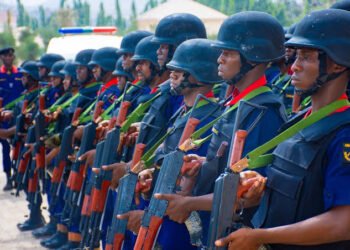
Strengthening security operations, improving intelligence gathering, and restoring public confidence are among the measures he implied are necessary to reverse the trend.
He also stressed the importance of long-term solutions, including addressing underlying factors that contribute to insecurity, such as poverty, unemployment, and weak institutional capacity.
The concerns raised by Peter Obi reflect a growing unease about the state of security in Nigeria. As incidents continue to emerge from regions like Sokoto State, the call for stronger government action is becoming more urgent.

While authorities have taken steps to address security challenges, observers say sustained and coordinated efforts will be required to restore stability and ensure that citizens can live without fear.