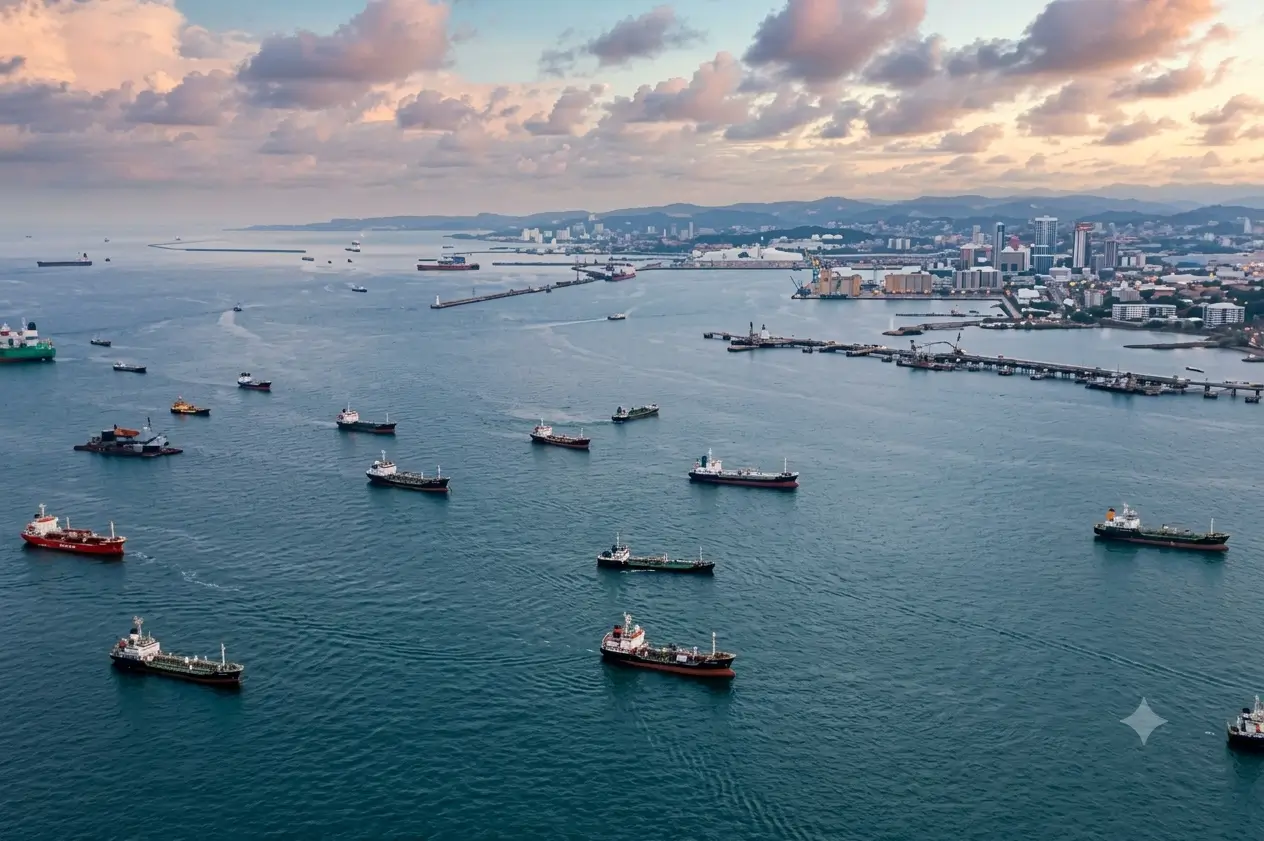
Iran has warned commercial vessels against using alternative transit paths through the Strait of Hormuz, saying any move away from its designated shipping corridor could deepen instability in the Gulf and undermine efforts to preserve a fragile ceasefire with the United States(US).
The warning comes as Washington and Tehran exchanged fresh military strikes over the weekend, raising fresh concerns over the durability of a Pakistan-brokered understanding aimed at ending months of conflict that disrupted one of the world’s most strategic maritime chokepoints.
Iranian Foreign Minister Abbas Araghchi said attempts by vessels to adopt routes outside arrangements currently overseen by Tehran would complicate efforts to fully reopen the waterway.




“Any attempt to adopt new or separate arrangements compared to what is underway by the Islamic Republic of Iran will only lead to more complicated situations and delays in the reopening of the Strait of Hormuz, and will increase tensions,” Araghchi said.
He urged all parties involved in maritime transit to respect the memorandum of understanding reached earlier this month and ensure it remains intact.
The Strait of Hormuz remains one of the world’s most important energy corridors, carrying about one-fifth of global oil supplies and a substantial volume of liquefied natural gas exports.

Although a ceasefire between Iran and the United States took effect in April, sporadic incidents have continued to fuel mistrust between both sides.
The US Central Command announced strikes on 10 Iranian military sites, accusing Tehran of continued aggression against commercial shipping.
American officials said the attacks targeted missile depots, drone facilities and coastal radar installations following an alleged Iranian drone strike on the Panama-flagged tanker Kiku.
Iran later claimed responsibility for retaliatory strikes against US military facilities in Kuwait and Bahrain, prompting condemnation from authorities in both Gulf states.
Iran’s Revolutionary Guards said they were tightening oversight of maritime traffic in the strait and warned that vessels violating existing directives could face tougher enforcement.
Mohammad Mokhber, an adviser to Iran’s Supreme Leader, said Tehran’s management of the strategic passage represented a major geopolitical advantage.
Under a memorandum reached this month, Iran agreed to provide safe and free passage for commercial vessels moving between the Persian Gulf and the Sea of Oman for 60 days.
Analysts believe the Strait of Hormuz is likely to remain a pressure point despite ongoing diplomatic efforts.
HA Hellyer of the Royal United Services Institute said controlled pressure in the strait could provide Tehran with additional leverage during negotiations.
Regional tensions have also spread to Lebanon.
Israel launched fresh strikes after Hezbollah leader Naim Qassem rejected a proposal aimed at ending hostilities between the two sides.
Iran described the attacks as a violation of ongoing truce efforts.
Hezbollah lawmaker Hassan Fadlallah warned of potential political divisions in Lebanon over an agreement that includes plans to disarm the Iran-backed movement.
Iranian officials have maintained that Israel’s withdrawal from Lebanon is essential to achieving a lasting regional settlement.
US President Donald Trump also escalated rhetoric, warning that Iran would “no longer exist” if Washington were forced to resume military action.
The renewed exchanges have heightened fears that instability around the Strait of Hormuz could once again disrupt energy supplies, unsettle markets and complicate broader peace efforts across the Middle East.