The House of Representatives has intensified efforts to strengthen Nigeria’s response to human trafficking, insisting that repatriating trafficked Nigerians from Mali and other West African countries must be accompanied by comprehensive rehabilitation and reintegration programmes.
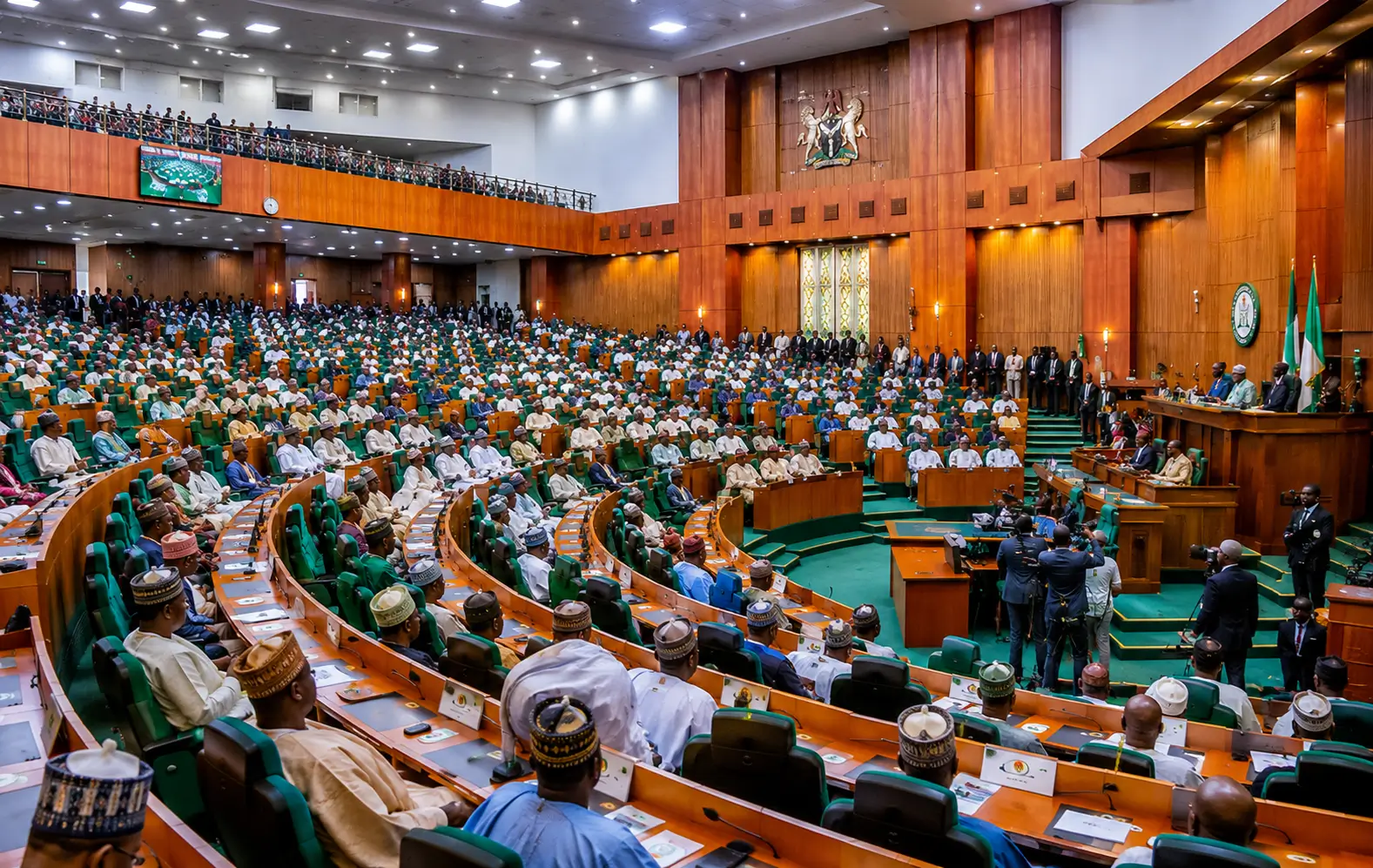
The position was presented on Wednesday during a high-level stakeholders’ technical meeting organised by the House Committee on Humanitarian Services, where lawmakers, government agencies, development partners and civil society organisations reviewed strategies for improving support for trafficking survivors.
The meeting also featured allegations by the National Council of Child Rights Advocates, Nigeria (NACCRAN) against officials of the Nigerian Embassy in Bamako, Mali, over the handling of rescued trafficking victims.


The allegations have not been independently verified, and neither the Federal Ministry of Foreign Affairs nor the embassy officials mentioned had responded at the time of reporting.
Chairperson of the House Committee on Humanitarian Services, Tolulope Akande-Sadipe, said returning victims to Nigeria should only be the first step in rebuilding their lives.
She called for a survivor-centred approach that includes healthcare, psychosocial support, legal services, education, skills acquisition and sustainable economic empowerment.
According to her, the House remains committed to strengthening legislation, institutional coordination and oversight to improve Nigeria’s humanitarian response to trafficking.
Presenting findings from an 11-month fact-finding mission, NACCRAN’s Operation Consultant on Diaspora Issues, Adefioye Simeon, alleged irregularities in the embassy’s repatriation process.
He claimed that selected individuals, rather than transparent institutional procedures, handled repatriation activities and alleged that private individuals paid about 200,000 CFA francs per rescued victim to facilitate transportation to Nigeria.
Simeon also alleged that some rescued girls reported physical and emotional abuse by traffickers and that many Nigerians in Mali received identity cards that were rejected at border crossings despite paying registration fees.
He further alleged that attempts by NACCRAN to investigate trafficking activities were frustrated by some embassy officials.
According to Simeon, intervention by the House Committee eventually prompted the deployment of a Federal Ministry of Foreign Affairs fact-finding team to Mali in July 2025.
He said NACCRAN later facilitated the return of more than 10 underage Nigerian girls, who were handed over to NAPTIP before reuniting with their families.
The organisation called on lawmakers to investigate the allegations, strengthen collaboration among government institutions and civil society groups, and establish a stronger regional framework to combat trafficking across West Africa.
The meeting comes as concerns continue to grow over the trafficking of Nigerians across the region and renewed calls for greater accountability, stronger victim protection and more effective anti-trafficking policies.