




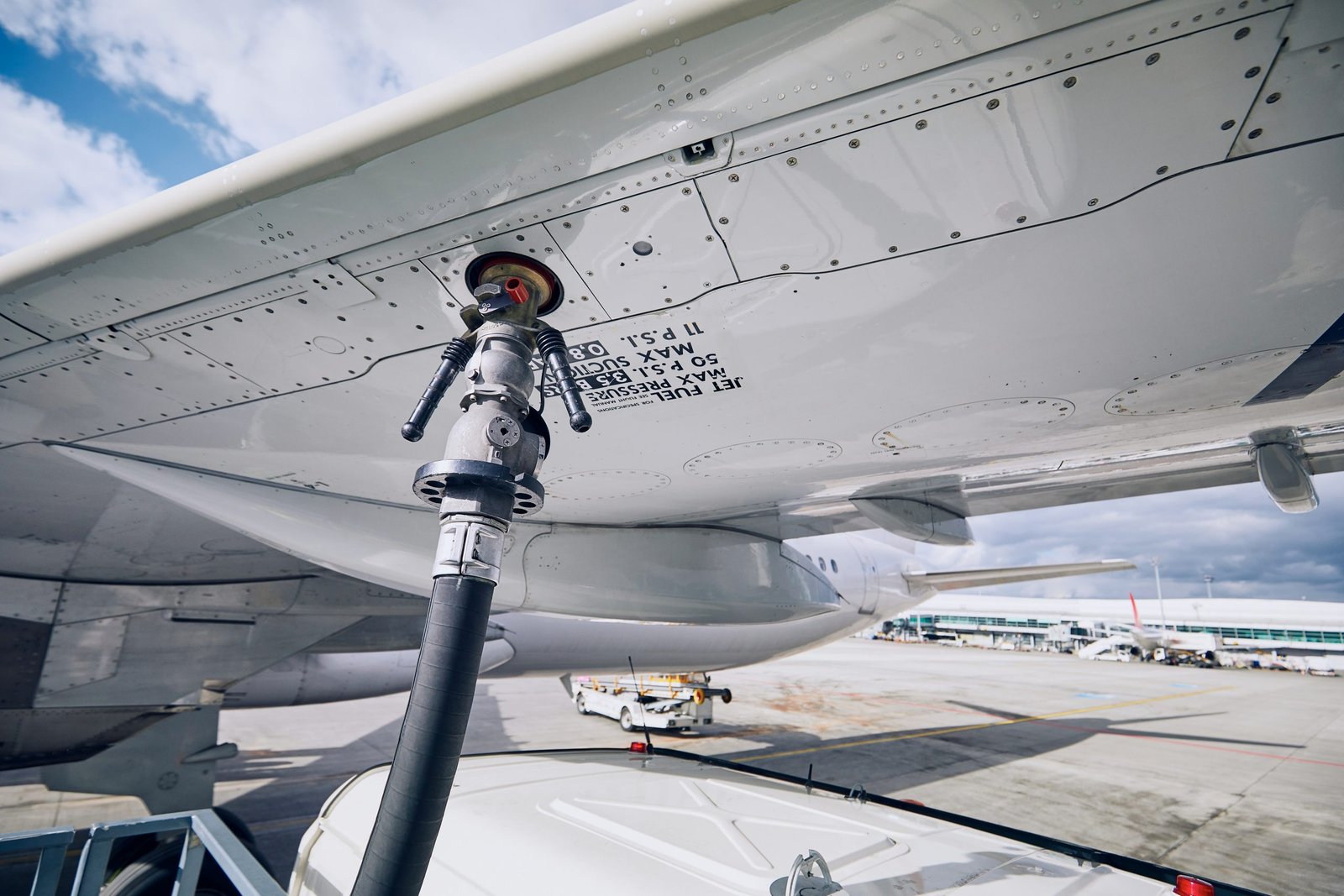
Nigeria has gone 13 consecutive months without importing Aviation Turbine Kerosene (ATK), also known as Jet A-1, marking a major milestone in the country’s drive toward self-sufficiency in refined petroleum products.
Latest petroleum supply data from the Nigerian Midstream and Downstream Petroleum Regulatory Authority show that from June 2025 to June 2026, Oil Marketing Companies recorded no aviation fuel imports, with domestic refineries supplying 100 per cent of the country’s reported Jet A-1 receipts throughout the period.
The development represents a significant turnaround for Nigeria’s aviation industry, which for years relied heavily on imported aviation fuel because of inadequate local refining capacity.




Figures released by the regulator show that refinery receipts fluctuated during the review period. Supply increased from 1.3 million litres per day in June 2025 to 1.5 million litres in July before rising sharply to 3.5 million litres in August. Receipts later moderated to 1.6 million litres in September and recovered to 2.7 million litres in October.
No refinery receipts were recorded in November 2025, but output rebounded to a record 14 million litres per day in December.
In 2026, refinery receipts fell to 6.0 million litres per day in January, dropped to 1.6 million litres in February and gradually recovered to 4.3 million litres in May before declining again to 2.5 million litres per day in June.
Despite those fluctuations, aviation fuel consumption remained relatively stable, averaging about 2.9 million litres per day and staying close to Nigeria’s benchmark demand of three million litres daily.
The figures indicate that local refineries have become capable of meeting the country’s aviation fuel requirements without relying on imports, helping to reduce foreign exchange demand and strengthen energy security.
The development is expected to improve product availability, shorten supply chains and reduce the aviation sector’s exposure to global supply disruptions and exchange rate volatility.

It also comes after a period of soaring Jet A-1 prices that significantly increased airlines’ operating costs and pushed domestic airfares sharply higher.
While the disappearance of imports signals growing confidence in Nigeria’s refining capacity, the wide month-to-month variations in refinery output suggest that ensuring consistent production will remain essential to sustaining reliable fuel supply for the aviation industry.