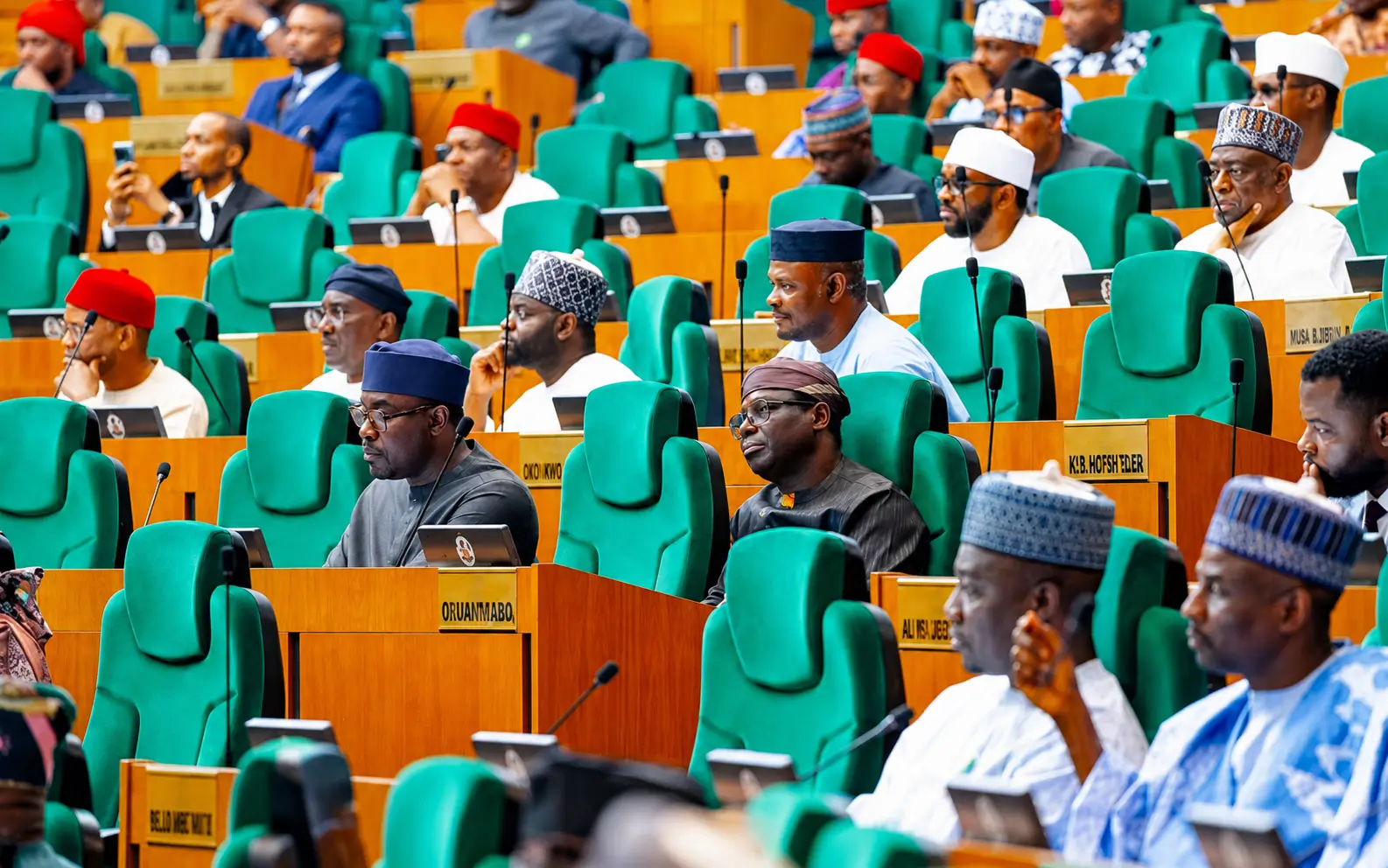
Nigeria’s 2027 presidential and governorship candidates could collectively spend up to N571bn under the campaign expenditure limits prescribed by the Electoral Act 2026.
The figure is based on the 19 presidential candidates published by the Independent National Electoral Commission and 127 governorship candidates currently being tracked across the 28 states where governorship elections will hold.
Under Section 92 of the new Electoral Act, a presidential candidate may spend up to N10bn, while a governorship candidate is permitted to spend a maximum of N3bn.


The 19 presidential candidates therefore have a combined theoretical spending ceiling of N190bn, while the 127 governorship candidates could collectively spend up to N381bn.

That puts the combined maximum at N571bn.
The figure does not mean the candidates will actually raise or spend the amount. It represents the maximum expenditure permitted if every candidate reaches the statutory ceiling.
The development comes as the 2027 presidential and National Assembly campaign season officially opened on Wednesday, August 19.
INEC has scheduled the presidential and National Assembly elections for January 16, 2027, while governorship and State House of Assembly elections are fixed for February 6, 2027.
The commission has also published the personal particulars and credentials of the 19 presidential candidates and their running mates, allowing voters and other stakeholders to scrutinise information submitted by the contestants.
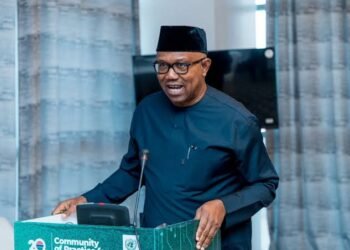
Among the leading presidential contenders are President Bola Tinubu of the All Progressives Congress, former Vice-President Atiku Abubakar of the African Democratic Congress and former Anambra State Governor Peter Obi of the Nigeria Democratic Congress.
At the governorship level, NGElections currently tracks 127 candidates across 28 states, although the final official list from INEC is still expected.
The new spending limits represent a major increase from the previous statutory ceilings.
Presidential campaign spending rose from N5bn to N10bn, while the governorship ceiling increased from N1bn to N3bn. The limit for senatorial candidates also rose to N500m from N100m, while House of Representatives candidates can now spend up to N250m, compared with N70m previously.
State House of Assembly candidates have a N100m ceiling.
The law also restricts individual or entity donations to a candidate to N500m.
A candidate who knowingly exceeds the prescribed spending limit may, upon conviction, be fined one per cent of the permitted expenditure limit, imprisoned for up to 12 months, or face both penalties.
The sharp increase in permissible spending has, however, triggered concerns among civil society organisations about enforcement.
CISLAC Executive Director Auwal Musa Rafsanjani said the major challenge would be ensuring that candidates and parties actually obey the limits.
He urged political parties, the electoral authorities, civil society and other stakeholders to establish a workable system for monitoring campaign finance.
The Executive Director of the Centre for Anti-Corruption and Open Leadership, Debo Adeniran, also called for greater involvement by the media and civil society in tracking campaign expenditure.
According to him, advertising, billboards, television commercials, social media campaigns, campaign venues, logistics and other expenses can be monitored and documented.
The concerns are particularly relevant as political campaigns have increasingly moved beyond traditional rallies and newspaper advertisements to digital platforms, influencers and sophisticated media operations.
For the 2027 election, regulators will therefore face the difficult task of determining whether the enormous resources deployed by candidates remain within the statutory limits.
The National Broadcasting Commission has also warned broadcasters and other information disseminators to maintain accuracy, fairness and responsibility as political activities intensify.
With the campaign season now underway, the N571bn theoretical ceiling has placed campaign finance firmly among the issues that could shape the credibility and competitiveness of the 2027 elections.