



The push for improved women’s political representation in Nigeria has gained renewed momentum as female deputy governors across the country call on the All Progressives Congress to implement structured affirmative action before the 2027 general elections.
The appeal, conveyed through a formal letter to the party leadership, underscores the urgent need to expand opportunities for women in elective and party leadership positions. The group believes that improving female participation is not only a matter of fairness but also essential for strengthening governance and political inclusivity in Nigeria.
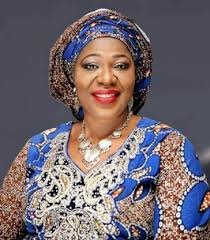
The letter was signed by Akon Eyakenyi, Deputy Governor of Akwa Ibom State and Coordinator of the Forum of Female Deputy Governors in Nigeria, and addressed to APC National Chairman Nentawe Yilwatda.




Overview of the Women’s Political Representation Proposal
In their communication, the female deputy governors acknowledged the leadership of the APC national chairman, praising his role in maintaining unity within the party. They described his leadership as stabilising, particularly at a time when many political parties in Nigeria face internal divisions.
However, beyond commendation, the governors emphasized the need for deliberate policies that will significantly improve women’s participation in governance. They argued that without structured affirmative action, Nigeria risks continuing with limited female representation in political offices.
The group highlighted that increasing women’s participation should be treated as a strategic priority ahead of the 2027 elections.
Nigeria’s Low Female Political Representation
The forum expressed concern over the current state of women’s participation in Nigeria’s political system. According to the figures cited in the letter:
- Only nine female deputy governors currently serve across Nigeria
- Just four women are members of the Senate
- Only seventeen women sit in the House of Representatives
- Forty-eight women serve in State Houses of Assembly nationwide
- Thirteen states have no female legislators at all
These numbers reflect a national participation rate of just 4–5%, a figure the deputy governors described as deeply concerning.
They argued that such low representation limits diversity in decision-making and restricts the country’s ability to benefit from inclusive governance.
Key Proposals for Increasing Women Political Representation
To address the imbalance, the female deputy governors outlined several recommendations designed to increase women political representation nationwide. These proposals include:
- A minimum of 35% female representation in State Houses of Assembly
- At least one female House of Representatives member per senatorial district
- At least one female senator per state
- A minimum of 18 female deputy governors nationwide
- Support for at least one female governor in each geopolitical zone
These targets aim to create measurable progress and ensure meaningful inclusion in political leadership.
The governors stressed that these benchmarks would not only promote equality but also enhance governance outcomes.
Why Women Political Representation Matters
The deputy governors emphasized that improving women political representation goes beyond fairness. They argued that women bring unique perspectives that strengthen policymaking and governance.
According to the forum, increased female participation offers several advantages:
- Broader representation of citizens
- Stronger voter engagement
- Improved policy outcomes
- Greater inclusivity in governance
- Enhanced political stability
They also noted that empowering women politically can expand party support bases and strengthen democratic processes.
Mentorship and Grassroots Mobilisation Plans
In addition to policy proposals, the female deputy governors pledged to take practical steps to support aspiring female leaders.
Their commitments include:
- Mentoring emerging female politicians
- Strengthening grassroots engagement
- Promoting leadership training
- Collaborating across party structures
These efforts are intended to build a pipeline of capable women leaders ahead of the 2027 elections.
The forum emphasized that sustainable change requires both policy reform and leadership development.
A Defining Moment for APC and Nigeria
The deputy governors described the period leading up to the 2027 elections as a critical opportunity to reshape Nigeria’s political landscape.
According to Eyakenyi, the decision to improve women’s representation would define the party’s legacy and demonstrate commitment to inclusive leadership.
She noted that with the support of party leadership and the presidency, the APC could lead efforts to improve representation and expand opportunities for women.
The forum also described the upcoming elections as a chance to break long-standing barriers that have limited women’s participation in Nigerian politics.
Impact on Nigeria’s Political Future
If implemented, the proposed reforms could significantly transform Nigeria’s political structure. Experts suggest that increasing women’s participation could:
- Improve governance outcomes
- Encourage inclusive policymaking
- Strengthen democratic institutions
- Inspire future generations of female leaders
The proposal could also influence other political parties to adopt similar frameworks.
Such reforms would align Nigeria with global trends promoting gender equality in governance.
Future Outlook
The call by Nigeria’s female deputy governors signals growing momentum for gender-inclusive politics. With 2027 approaching, pressure is likely to mount on political parties to adopt reforms that promote diversity and inclusion.
The APC leadership is now expected to review the proposals and consider practical steps toward implementation.
If adopted, the recommendations could mark a turning point in Nigeria’s political history and significantly increase women political representation across the country.
As the political landscape evolves, stakeholders will be watching closely to see whether the party embraces this opportunity for transformative change.