




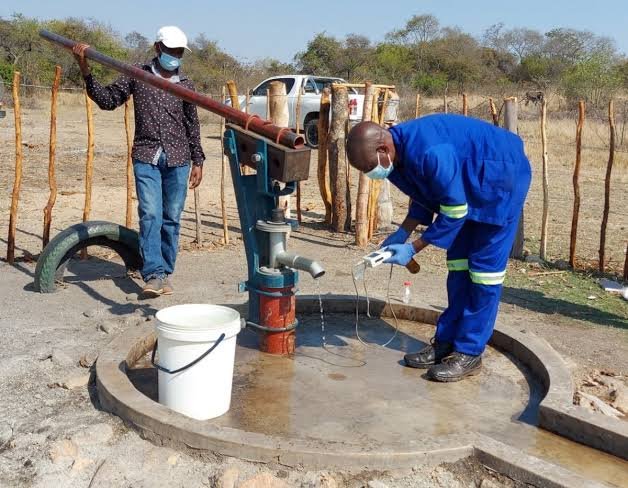
Nigerian doctor and health educator Chukwuma Okoro, popularly known as Aproko Doctor, has warned people against using untreated water from potentially contaminated boreholes to rinse their mouths.
Okoro issued the warning in a video shared on X on Monday, urging people to pay attention to the source and safety of water used for oral hygiene.
He specifically highlighted Helicobacter pylori, commonly known as H. pylori, a bacterium associated with peptic ulcers.




“There are different causes of stomach ulcer, but there’s a very common cause that is caused by a particular bacteria known as Helicobacter pylori,” he said.
Medical guidance identifies H. pylori infection and the use of nonsteroidal anti-inflammatory drugs such as ibuprofen and naproxen as the two most common causes of peptic ulcers.
H. pylori can spread through contact with an infected person’s vomit, stool or saliva, while contaminated food or water can also provide a route of transmission.

The World Health Organisation says waterborne transmission of H. pylori is possible, although vomit-oral and gastro-oral routes are considered the primary transmission pathways.
This means borehole water itself does not automatically cause H. pylori infection or stomach ulcers.
The concern is whether the water has been contaminated and whether the source and distribution system are properly protected.
Okoro urged people who were uncertain about the safety of their water to treat it before use.
He recommended methods including boiling, proper filtration and suitable chemical disinfection.
He also raised concerns about poorly designed or maintained water and sewage systems, which could allow contaminants to enter water supplies.
Beyond water safety, Okoro identified frequent use of medicines such as ibuprofen and diclofenac as other factors associated with ulcers.
Medical guidance confirms that NSAIDs can damage the stomach lining and increase the risk of peptic ulcers, particularly when used at high doses or over long periods.
Smoking can also interfere with the healing of peptic ulcers.
On diagnosis, Okoro mentioned upper gastrointestinal endoscopy as a procedure doctors can use to examine the stomach.
However, endoscopy is not the only diagnostic method. Doctors can also conduct tests for H. pylori, while the choice of investigation depends on the patient’s symptoms and clinical circumstances.
Doctor Okoro also warned people not to ignore black or tarry stool.
Black or tarry stool can be a sign of gastrointestinal bleeding, which can occur as a complication of peptic ulcers.
Other warning signs include vomiting blood or material resembling coffee grounds, sudden severe abdominal pain, dizziness or fainting.
People experiencing such symptoms should seek medical attention promptly.
For households using borehole water, the key issue is therefore not whether the water comes from a borehole, but whether the source is protected from contamination and whether the water is appropriately treated.
Safe water remains important for drinking, cooking and everyday hygiene, including brushing the teeth and rinsing the mouth.