


The Federal Government has approved four health facilities in Benue State as designated snakebite treatment centres, with government-procured anti-snake venom expected to be supplied to improve access to life-saving care.
The state Commissioner for Health and Human Services, Dr Paul Ogwuche, announced the approval on Tuesday while briefing ministry officials at the state secretariat in Makurdi.
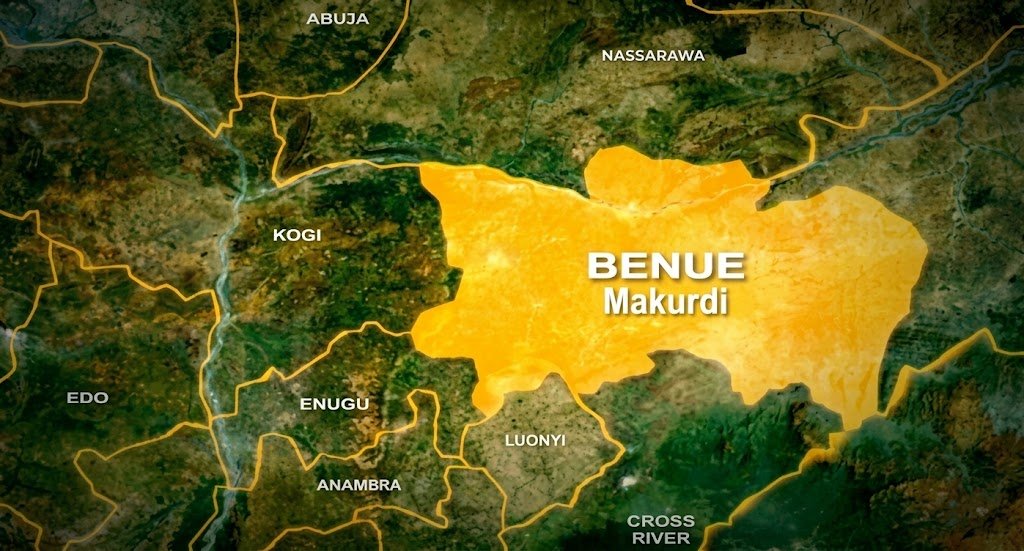
Ogwuche said the designated facilities are spread across Benue’s three senatorial districts, a move intended to improve access to treatment for residents, particularly farmers and people living in rural communities.
READ ALSO




The approved facilities are General Hospital, Katsina-Ala, in Zone A; the University Teaching Hospital in Makurdi and General Hospital, Gboko, in Zone B; and General Hospital, Otukpo, in Zone C.
He described the approval as a significant step towards expanding access to emergency treatment and supporting the state government’s free snakebite treatment initiative under Governor Hyacinth Alia.
Ogwuche added that healthcare professionals at the designated facilities would receive specialised training in managing snakebite envenoming to improve their capacity to provide timely and effective care.
The commissioner commended the Coordinating Minister of Health and Social Welfare, Professor Ali Pate, saying the approval demonstrated the importance of cooperation between federal and state authorities in addressing public health challenges.
Anti-venom supplies to support free treatment
Under the Federal Neglected Tropical Diseases Envenoming Programme, the designated centres are expected to receive government-procured anti-snake venom.
Ogwuche said the supplies would help reduce the cost of treatment for victims and support the state’s free-treatment initiative.
He added that the state government wanted to ensure that residents did not lose their lives or suffer financial hardship because they could not afford essential snakebite medication.
Snakebites pose a particular concern in Benue because of the state’s large farming population. Farmers and other residents working in fields and rural environments can face increased exposure to snakes.
Access to prompt treatment and the availability of appropriate anti-venom are important in managing snakebite emergencies.

However, the announcement did not specify when the first supplies would arrive, the quantities allocated to each hospital or when the specialised training would be completed.
Benue spends N160m treating snakebite victims among IDPs
The federal approval comes amid concerns about the cost of treating snakebite victims among internally displaced persons in Benue.
The Executive Secretary of the Benue State Emergency Management Agency, James Iorpuu, said the state had spent more than N160m on snakebite treatment for displaced people between March and September 2026.
Iorpuu said the agency had arranged for affected patients to receive treatment at the teaching hospital in Makurdi.
The expenditure highlights the financial pressure associated with treating snakebite victims, particularly vulnerable people who have been forced from their homes by insecurity and may have limited resources to pay for medical care.
In September, the Benue State House of Assembly passed a bill providing for free snakebite treatment in government hospitals across the state.
The latest federal approval could strengthen the implementation of that initiative by providing designated treatment locations, specialised training and access to government-procured anti-venom.
Ogwuche reaffirmed the state health ministry’s commitment to working with federal agencies and healthcare institutions to improve access to treatment.
The immediate priority will be ensuring that the approved hospitals are equipped and adequately supplied so that snakebite victims can receive timely care without facing prohibitive costs.