The Nigerian Railway Corporation (NRC) has warned that inefficiencies in Nigeria’s transportation network are contributing to higher prices of goods and services, calling for stronger integration of rail, road, maritime and air transport to reduce logistics costs and improve economic productivity.
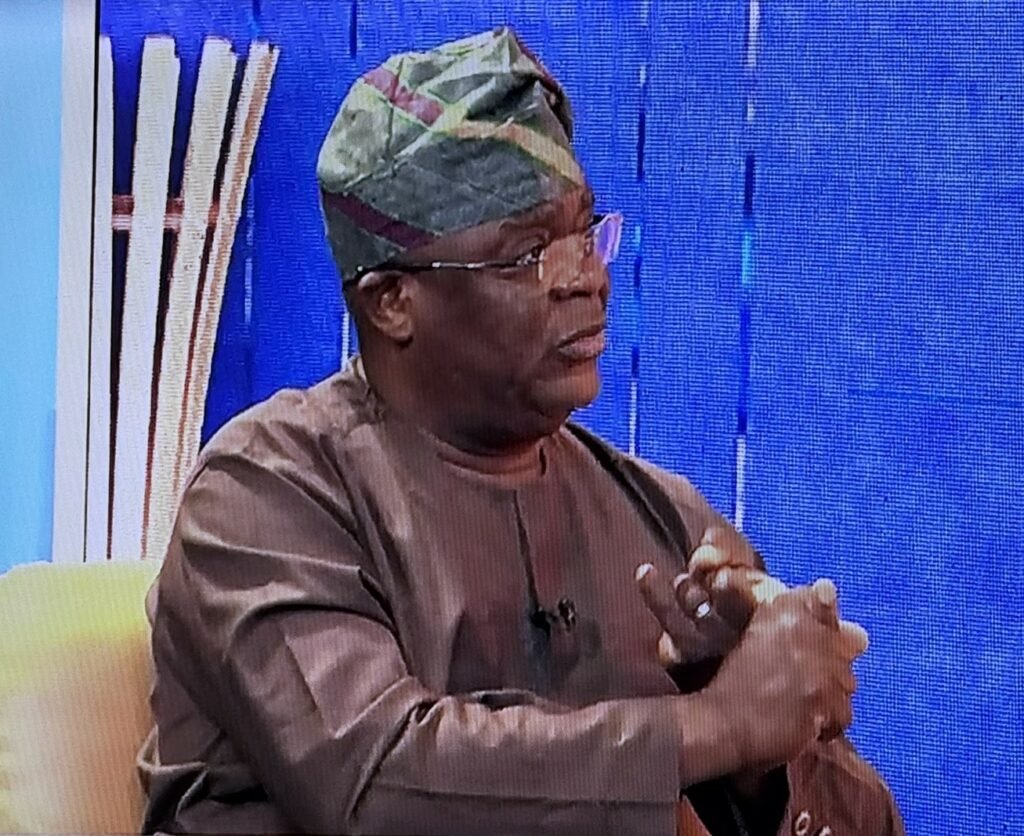
The Managing Director of the corporation, Dr Kayode Opeifa, made the call at the BusinessDay Mobility and Logistics Conference held at Four Points by Sheraton, Victoria Island, Lagos.
Speaking on the theme, “Scaling the Future: Building a Resilient and Efficient Mobility and Logistics Ecosystem in Nigeria,” Opeifa identified poor connectivity between transport systems as a major obstacle to business efficiency and national competitiveness.




According to him, transport inefficiencies contribute to congestion, higher logistics expenses, delayed deliveries and reduced productivity, with businesses and consumers bearing part of the resulting costs.
He said a more integrated system would improve the movement of goods between production centres, seaports, inland terminals and markets.
Opeifa maintained that rail should complement rather than compete with other modes of transportation.
While rail can provide high-capacity passenger and freight services over long distances, roads remain essential for collecting cargo and delivering products to their final destinations. Maritime transport, he added, connects Nigeria to international markets.
He said linking these systems more effectively would reduce avoidable transport expenses, improve market access and strengthen the competitiveness of Nigerian products.
NRC targets 10,000km rail network
Opeifa disclosed that the corporation was targeting an expansion of Nigeria’s rail network from approximately 4,000 kilometres to 10,000 kilometres within five years, with a longer-term ambition of reaching about 20,000 kilometres.
The plan forms part of the NRC’s Vision 2:5:10:20 framework, which prioritises the optimisation of existing railway infrastructure, restoration of dormant corridors, expansion of freight services and increased private-sector participation.
He said improving the use of existing rail infrastructure was an immediate priority, alongside attracting investment to support network expansion.
The NRC managing director also disclosed that efforts were underway to extend standard-gauge rail services to Apapa Port and establish a connection to Tin Can Island Port.
Other proposed projects include the Kano–Maradi railway, which he said was expected to be completed in 2027, and a central railway corridor linking the Warri–Itakpe line to Abuja.
The corporation is also promoting a track-access policy that would allow private operators to run passenger and freight services on railway corridors, subject to applicable arrangements.
The policy is intended to attract private investment, expand railway operations and make better use of existing infrastructure without requiring the NRC to provide every locomotive, wagon and train.
Logistics inefficiencies threaten businesses
Also speaking at the conference, the Director-General of the Africa Centre for Supply Chain, Dr Obiora Madu, highlighted the financial consequences of inefficiencies across Nigeria’s transport and logistics sector.

Madu argued that disconnected systems and poor coordination were restricting the performance of businesses, particularly small-scale enterprises that depend on reliable transportation to move products and reach customers.
He maintained that building infrastructure would not deliver its full economic benefits without effective connections between the different components of the supply chain.
His comments underscored concerns that isolated investments in roads, ports or railways may have limited impact when cargo still encounters delays and additional costs at the points where transport systems meet.
The Managing Director of JanksMay Global Services Limited, Ifeanyi Onwuachu, similarly said infrastructure deficits continued to undermine the operations of small-scale logistics businesses.
BusinessDay Deputy Editor-in-Chief, Dr Innocent Nna, urged stakeholders to identify practical solutions to persistent transportation challenges and develop more efficient logistics systems to support economic growth.
The discussions highlighted the importance of connecting transport infrastructure with effective planning, coordination and private-sector participation.
For Nigeria, improving the movement of goods remains an important economic challenge. A more efficient logistics network could help businesses reduce delivery delays and operating expenses, improve access to markets and strengthen the competitiveness of locally produced goods.
However, achieving those benefits will depend on sustained investment, effective implementation of railway expansion plans and stronger coordination across the country’s transport systems.