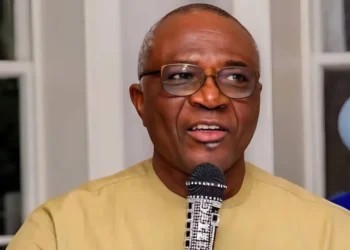
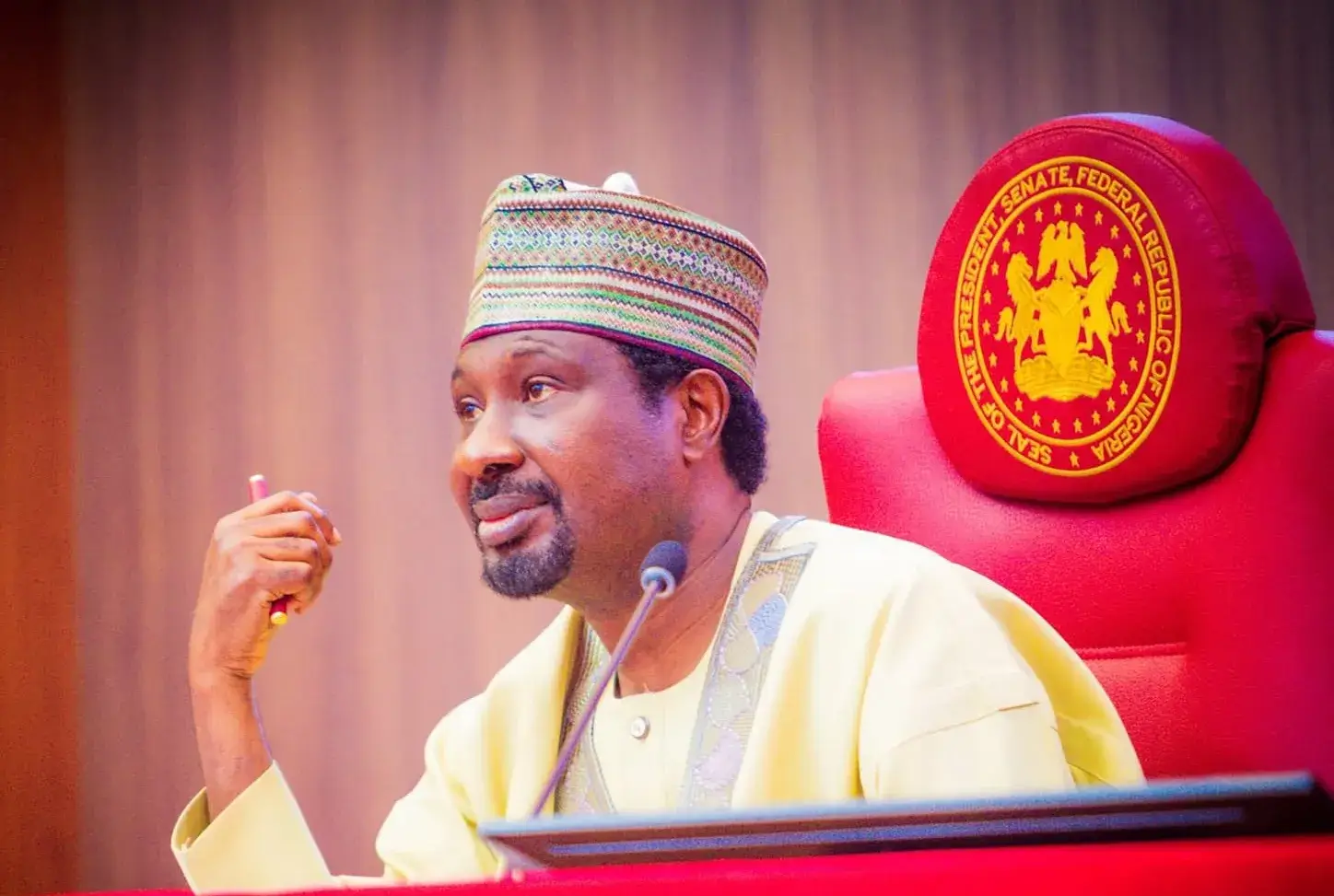
Barau Jibrin has concluded arrangements to distribute 53,040 bags of fertiliser to farmers and other beneficiaries across the 13 local government areas of Kano North Senatorial District ahead of the 2026 farming season.
The intervention, which comprises 88 trucks of fertiliser, is scheduled to commence on May 31, according to a statement issued on Saturday by his Special Adviser on Media and Publicity, Ismail Mudashir.
The fertiliser distribution is part of the senator’s annual agricultural support programme targeted at boosting crop production and improving food security in the region amid rising concerns over food inflation and high farming costs across Nigeria.
READ ALSO


According to the statement, beneficiaries of the initiative include farmers, party stakeholders, elected local government chairmen, vice chairmen, councillors and secretaries across the senatorial district.
Others listed are APC caucus members, imams, village heads, ward heads, school principals, headmasters, security personnel and social media influencers.
Barau said the intervention was designed to complement the food security agenda of President Bola Ahmed Tinubu by ensuring farmers have access to critical agricultural inputs before the peak planting period.
“This intervention is aimed at supporting our farmers and complementing the efforts of President Bola Ahmed Tinubu towards achieving national food security,” the deputy senate president said.
He urged beneficiaries to make judicious use of the fertiliser to improve yields and increase food production during the rainy season farming cycle.
The lawmaker also reiterated his commitment to programmes aimed at improving the livelihoods of residents across Kano North, one of the politically strategic senatorial districts in the state.
The fertiliser distribution comes at a time many farmers across northern Nigeria continue to battle rising input costs, insecurity affecting farming communities and climate-related challenges impacting agricultural productivity.
Agricultural stakeholders have repeatedly warned that the high cost of fertiliser, transportation and other farm inputs could reduce cultivation levels during the 2026 wet season if urgent interventions are not introduced.
Nigeria has also witnessed persistent food inflation over the past year, with prices of staples including rice, maize and beans remaining high in several parts of the country despite government interventions.
Analysts say political office holders and state governments have increasingly turned to direct farm input support schemes to cushion the effects of economic hardship on rural farmers and strengthen local food production.
Kano, one of Nigeria’s largest agricultural hubs, plays a significant role in grain and livestock production in the North-West region. The state’s rural economy depends heavily on seasonal farming, making access to subsidised fertiliser and farm support programmes critical to productivity.
Barau’s intervention is also expected to deepen political mobilisation within Kano North ahead of future electoral activities, with several categories of beneficiaries drawn from party structures, traditional institutions and grassroots organisations.
The deputy senate president has in recent months intensified constituency projects and empowerment programmes across the district, including educational support initiatives, infrastructure interventions and youth-focused programmes.