



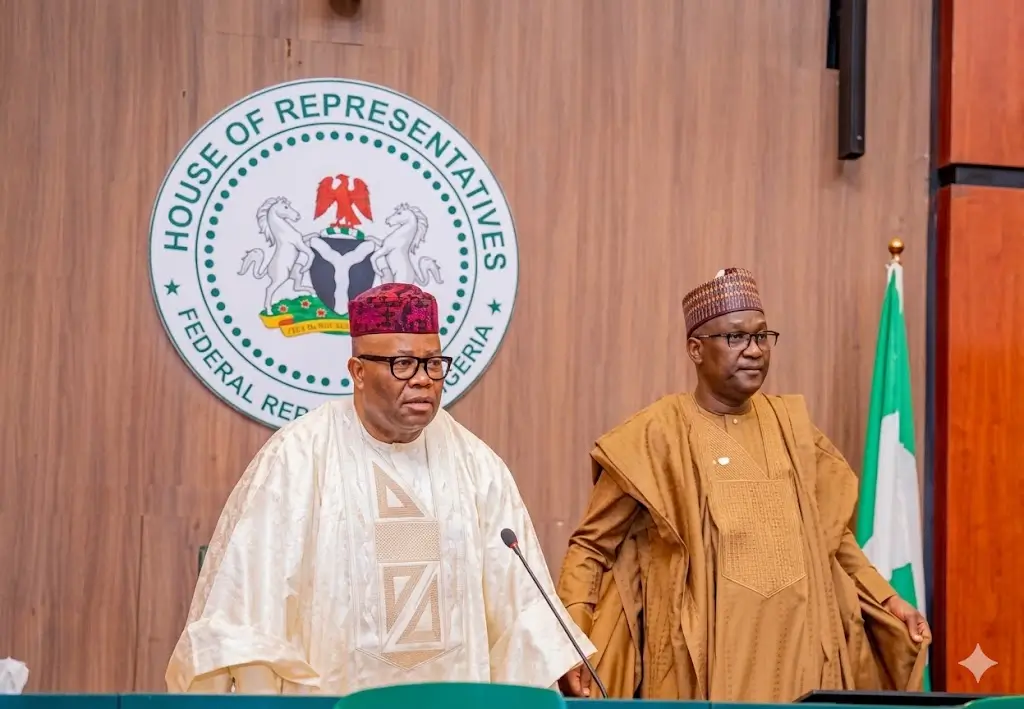
A Federal High Court in Lagos has delivered a major setback to the National Assembly, declaring unlawful the controversial N110 billion spent on vehicles and support allowances for federal lawmakers, in a judgment that could reignite debate over public spending and accountability in government.
In the ruling delivered by Justice Yellim Bogoro, the court held that the allocation of N40 billion for 465 vehicles and N70 billion in support allowances for newly elected lawmakers violated procurement laws, constitutional provisions and principles of transparency and accountability.
The case was instituted by the Socio-Economic Rights and Accountability Project (SERAP) after reports emerged in 2023 that lawmakers planned to spend N110 billion on luxury and bulletproof vehicles as well as support packages for new members of the National Assembly.



Justice Bogoro ruled that the expenditure failed to meet due process requirements and amounted to self-dealing because the beneficiaries were the same officials who approved the spending.
According to the judgment, the beneficiaries of the expenditure were also the approving authorities, creating a conflict of interest and raising serious questions about transparency and public accountability.
The court ordered Senate President Godswill Akpabio and House Speaker Tajudeen Abbas to ensure that future procurements and spending by the National Assembly strictly comply with due process, transparency, accountability and value-for-money standards.
In a strongly worded judgment, the court observed that the spending was approved at a time when many Nigerians were grappling with severe economic hardship.
Justice Bogoro noted that allocating N110 billion for lawmakers’ benefit reflected a failure to prioritise national interest and undermined the fiduciary duty public officials owe citizens.
The court also rejected arguments that legislative autonomy prevented judicial intervention, stressing that separation of powers does not shield unconstitutional or unlawful actions from scrutiny.
Another key finding was that the National Assembly failed to provide sufficient evidence that procurement procedures, competitive bidding requirements and value-for-money assessments were followed before approving the expenditure.
The court further affirmed SERAP’s standing to bring the case, describing the issues raised as matters of significant public interest.
Reacting to the verdict, SERAP Deputy Director Kolawole Oluwadare described the ruling as a victory for transparency, accountability and responsible management of public resources.
Human rights lawyer Femi Falana also welcomed the decision, saying extravagant spending by public officials cannot be justified while millions of citizens continue to face economic difficulties.
The judgment is expected to fuel renewed scrutiny of public spending, lawmakers’ benefits and the role of civil society organisations in promoting accountability within Nigeria’s democratic institutions.