The Supreme Council for Sharia in Nigeria has called on authorities to review the continued detention of former Kaduna State Governor, Nasir El-Rufai, warning that actions perceived as arbitrary or politically motivated could undermine public confidence in Nigeria’s democratic institutions.
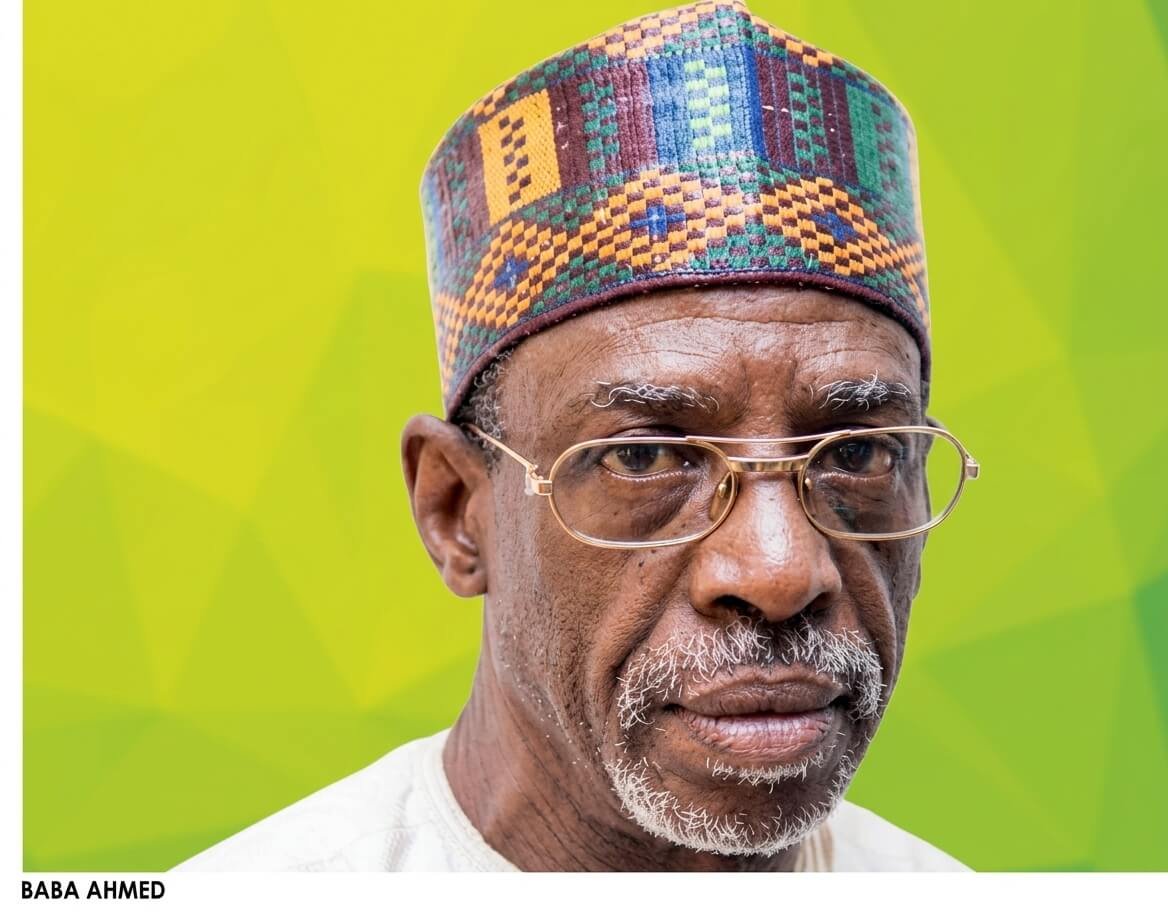
The council, in a statement signed by its Secretary-General, Nafiu Baba-Ahmad, said El-Rufai remained entitled to his fundamental rights and the presumption of innocence while the cases against him are determined by the courts.
The intervention comes amid continuing legal proceedings against the former governor and controversy over his inability to secure immediate release despite courts granting bail in separate cases.



The council said it did not support or condone criminality but insisted that the pursuit of alleged offences must itself comply with constitutional safeguards and established legal procedures.
“The pursuit of justice must itself be just,” the council said.
It warned that any action perceived as arbitrary, politically motivated or inconsistent with the rule of law could weaken public confidence in state institutions and democratic governance.
El-Rufai is facing a nine-count amended charge filed by the Independent Corrupt Practices and Other Related Offences Commission over alleged abuse of office, fraud, irregular award and execution of public contracts, money laundering, conferring undue advantage and unlawful handling of public funds during his tenure as Kaduna governor.
He is also facing a separate five-count amended charge filed by the Department of State Services over allegations concerning the unlawful interception of telephone conversations linked to National Security Adviser, Nuhu Ribadu.
The former governor has denied wrongdoing, while the allegations remain subject to judicial determination.
The issue of his continued detention has also been linked to the conditions attached to his bail.

In April, the Federal High Court in Kaduna granted El-Rufai bail of N200m with two sureties in like sum in the ICPC case. The court, however, ordered that he remain in ICPC custody until the conditions were fulfilled.
One of the sureties was required to be a serving or retired federal government official not below Grade Level 15, while the other had to be a recognised traditional ruler.
In the separate DSS case, a Federal High Court in Abuja granted El-Rufai N100m bail in May, subject to conditions including the provision of a surety, surrender of international passports and periodic reporting to the DSS.
His subsequent attempt to have the conditions varied was rejected by the court in June.
The ICPC has maintained that its handling of the former governor’s case is based on court-authorised procedures and has rejected suggestions that his detention was outside the law.
The Sharia council, however, urged the relevant authorities to ensure that every stage of the proceedings remained within the Constitution and other applicable laws.
It also called for restraint from all sides, warning against conduct that could create the impression that the former governor was being subjected to political persecution.
The council stressed that its intervention should not be interpreted as support for any alleged wrongdoing by El-Rufai.
Rather, it said, allegations should be investigated and prosecuted where evidence exists, but the institutions responsible must demonstrate fairness, transparency and impartiality.
It argued that Nigeria’s long-term stability depends heavily on the credibility of its institutions and the confidence citizens have in the justice system.
The council therefore urged authorities handling the cases to ensure that due process, fair hearing and lawful detention remain central to the proceedings.