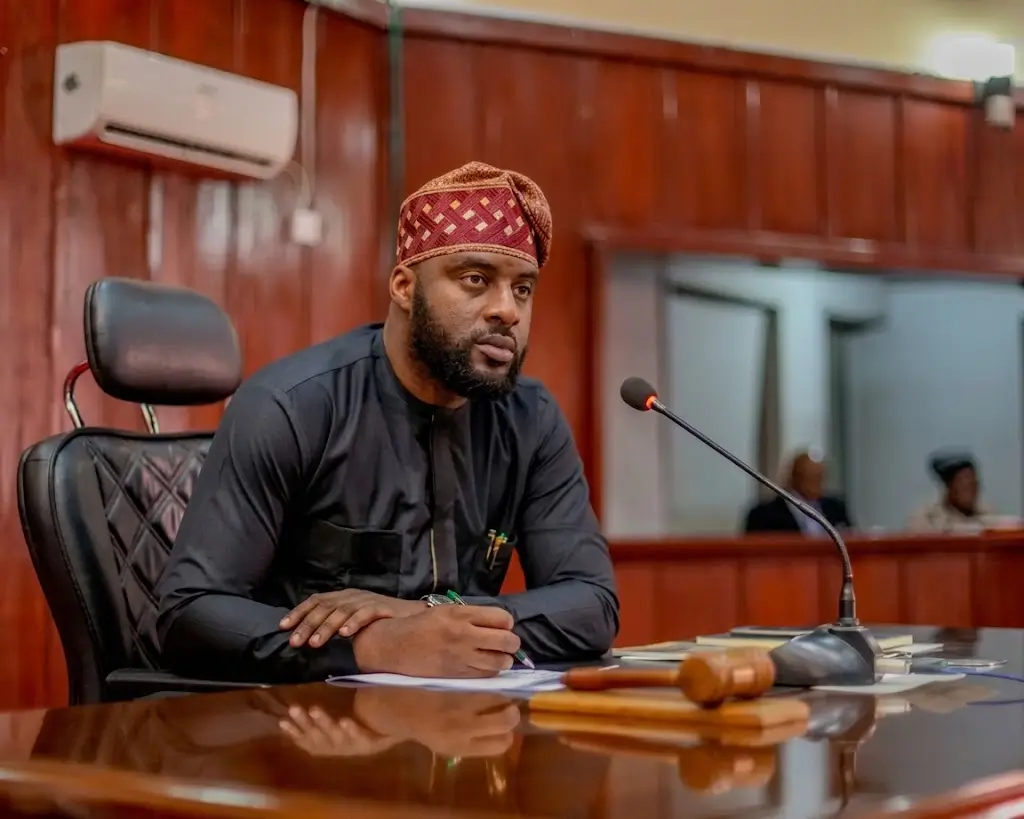
The Oyo State House of Assembly has called for the creation of Special Criminal Divisions within the state High Court to fast-track the trial of kidnapping, banditry and other serious criminal cases.
The resolution followed a motion moved by the lawmaker representing Ibadan North-West Constituency, Dawood Olalere, during Tuesday’s plenary presided over by Speaker Adebo Ogundoyin.
The Assembly said the proposal was necessary because of the growing number and complexity of criminal cases in the state, particularly those involving kidnapping, banditry, armed robbery, murder, rape, cultism and cybercrime.




The lawmakers also pointed to organised criminal activities and violent attacks in parts of northern Oyo as further reasons for strengthening the state’s criminal justice system.
According to the Assembly, the existing arrangement under which High Courts handle both civil and criminal matters has contributed to congested dockets, frequent adjournments and prolonged criminal proceedings.
The lawmakers said the Oyo State Administration of Criminal Justice Law was designed to promote speedy trials but argued that the increasing workload required dedicated judicial structures, specialised judges and modern case-management systems.
They maintained that faster prosecution would strengthen public confidence in the justice system, deter criminal activity and reduce the perception of impunity.
The Assembly warned that prolonged trials could also discourage victims and witnesses from cooperating with investigators while weakening the efforts of security personnel who risk their lives to apprehend suspects.
It therefore urged the Chief Judge of Oyo State and the Attorney-General and Commissioner for Justice to establish dedicated Criminal Divisions within the High Court for serious criminal matters.
The proposed arrangement would involve designating specific judges and courtrooms across the state’s judicial divisions exclusively for criminal cases.
The lawmakers also called on the state government to provide the financial, technological and administrative resources required to make the system effective.
These include digital case-management platforms, electronic recording facilities and additional judicial personnel.

Beyond the courts, the Assembly proposed closer coordination among the Ministry of Justice, Judiciary, Nigeria Police Force, Department of State Services, Nigerian Correctional Service, Nigerian Bar Association and other stakeholders to speed up investigations and prosecution.
It also urged the Attorney-General to establish and adequately staff a specialised unit within the Directorate of Public Prosecutions to handle cases before the proposed Criminal Divisions.
The House called for regular training of prosecutors on the Administration of Criminal Justice Law and urged security agencies to transmit completed case files promptly to the Ministry of Justice.
The Assembly further asked the Nigerian Correctional Service to provide regular records of awaiting-trial inmates to the Judiciary and Ministry of Justice and facilitate virtual proceedings where appropriate.
It also advocated adequate funding for witness protection, victim-support programmes and free legal aid for indigent defendants, stressing that speeding up trials must not undermine the constitutional right to a fair hearing.
The proposal comes amid continuing concerns over insecurity in parts of Oyo State, with the Assembly arguing that a more responsive criminal justice system would help ensure that serious criminal cases are determined without unnecessary delay.
The lawmakers ultimately mandated the House Committee on Public Petitions, Justice and Judiciary to liaise with the Ministry of Justice and Judiciary on implementation and report progress to the Assembly.
The move represents a push by the state legislature to complement security operations with faster judicial processing, particularly for serious offences that have heightened public concern.