



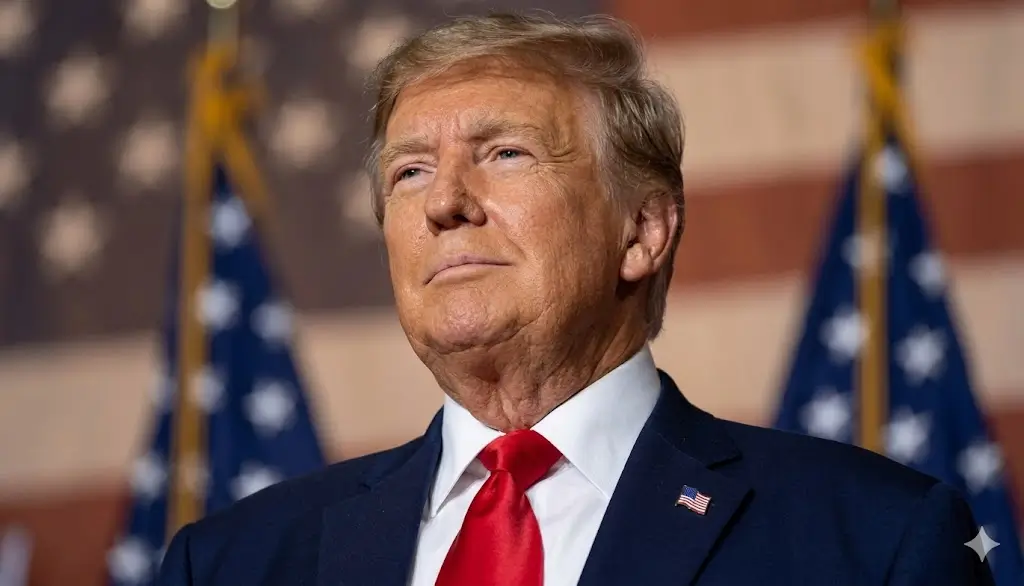
US President Donald Trump has vowed that Washington will respond after accusing Iran of shooting down a US Army Apache helicopter over the Strait of Hormuz, a development that threatens to derail delicate negotiations aimed at ending months of conflict across the Middle East.
Trump disclosed the incident on Tuesday, saying he had been informed by the US military that Iranian forces brought down one of America’s Apache attack helicopters during a patrol mission over the strategic waterway.
“I have just been informed by our great military that last night the Iranians shot down one of our highly sophisticated Apache Helicopters while patrolling over the Strait of Hormuz,” Trump said.



He added that the two crew members aboard survived the incident and were rescued without injury, but insisted that the United States would have to respond.

The Pentagon later confirmed that both pilots were rescued during a joint operation involving US Naval Forces, the Air Force and the Navy.
The incident comes at a particularly sensitive moment. Only hours earlier, Trump had expressed optimism that negotiations between Washington and Tehran were approaching a breakthrough and suggested a wider agreement could be reached within days.
According to the US president, both sides were in the final stages of securing what he described as a “very, very good deal.”
The latest confrontation follows renewed military exchanges between Iran and Israel over the weekend despite a ceasefire arrangement that has largely held since April.
Iranian parliament speaker Mohammad Bagher Ghalibaf also issued a warning directed at Washington, saying Tehran preferred diplomacy but would respond if the United States failed to honour its commitments.
The Strait of Hormuz remains one of the world’s most important energy corridors and a vital route for global oil exports. The conflict has disrupted shipping movements and heightened concerns about energy security across international markets.
Oil prices fell after Trump’s earlier comments on possible progress in negotiations, reflecting investor hopes that tensions could ease.
However, uncertainty returned after the helicopter incident, with analysts warning that any retaliatory action by Washington could jeopardise ongoing diplomatic efforts and trigger another round of regional escalation.
Questions also remain about the exact circumstances surrounding the downing of the aircraft and the nature of any potential US response.
The helicopter incident is now emerging as one of the most significant challenges to the fragile truce and ongoing negotiations, placing renewed pressure on both Washington and Tehran as they attempt to prevent a broader regional conflict.