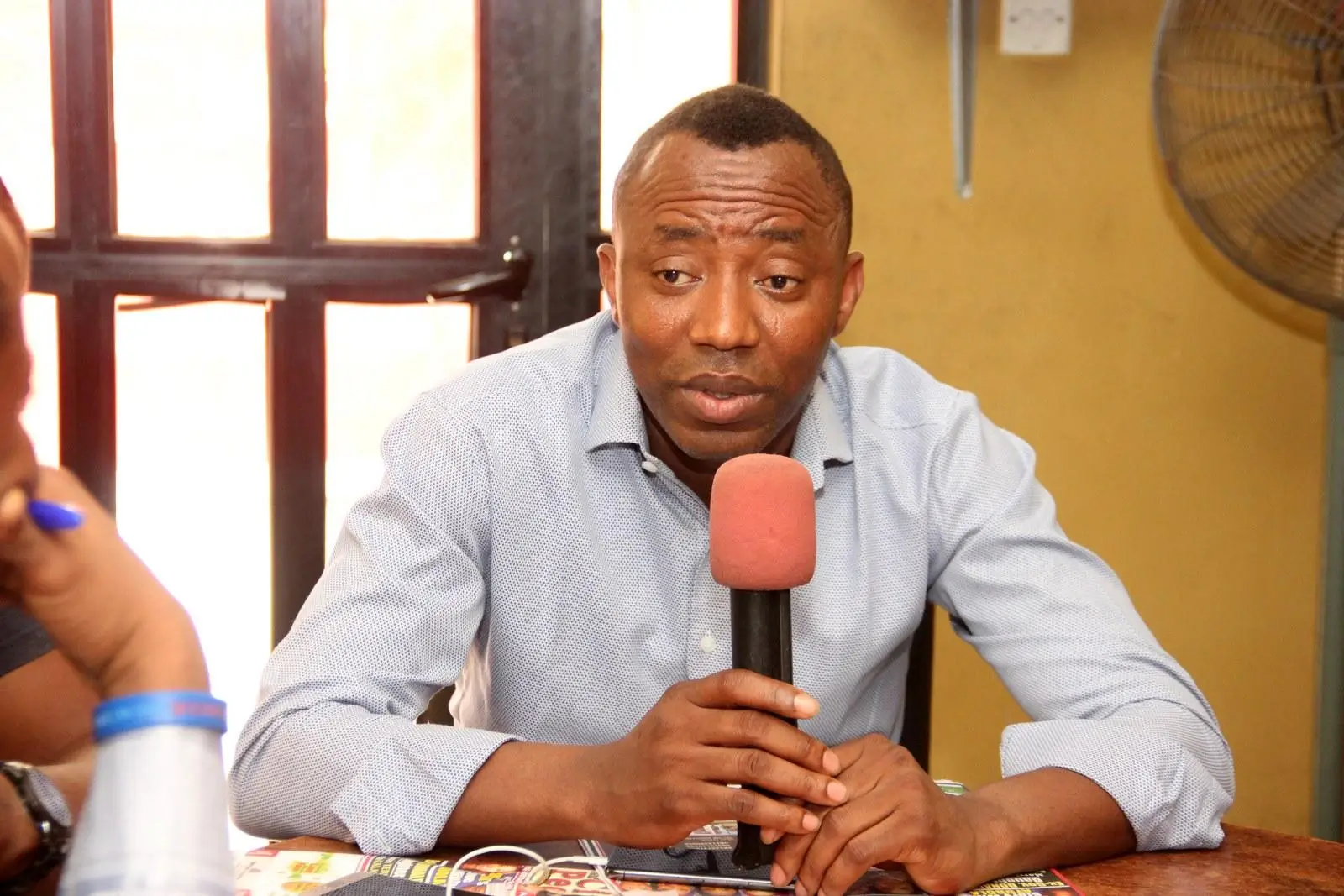
Human rights activist and former presidential candidate of the African Action Congress (AAC), Omoyele Sowore, has distanced himself from the emerging opposition coalition ahead of the 2027 general elections, declaring that Nigeria needs “a genuine alternative” rather than what he called the recycling of failed political actors.
Sowore made this known in a strongly worded post on X on Sunday, confirming that he turned down an invitation to attend the opposition summit held in Ibadan, Oyo State, where several heavyweight political figures converged to discuss coalition-building ahead of the next election cycle.
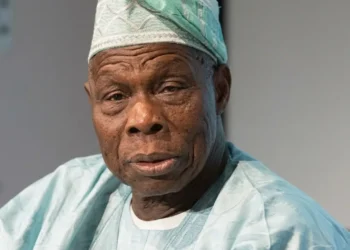
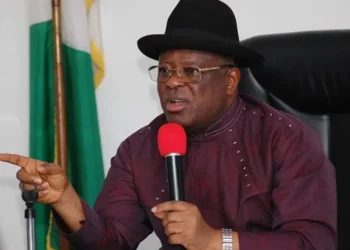
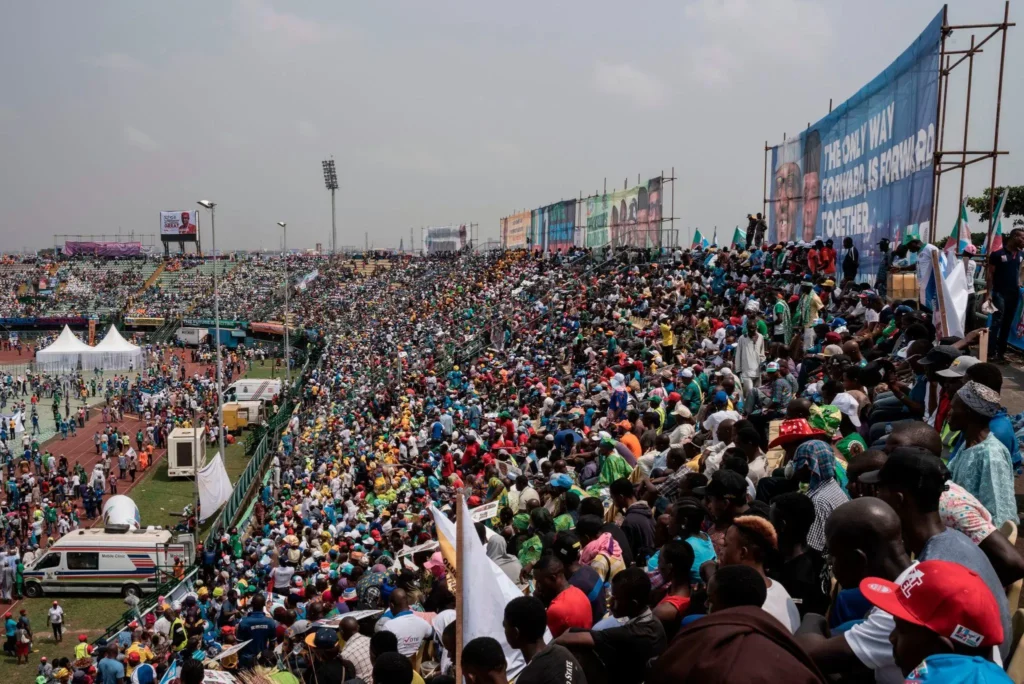
The summit, hosted by Governor Seyi Makinde and chaired by former President Olusegun Obasanjo, drew opposition leaders across party lines, including former Vice President Atiku Abubakar and former Kano State governor Rabiu Kwankwaso, in what organisers described as an effort to strengthen democratic opposition and build a united front ahead of 2027.
READ ALSO


But Sowore dismissed the gathering as politically hollow.
“I was invited to attend the so-called Opposition Summit in Ibadan, but I declined,” he wrote.
“There is no need to pretend that the same men and a few women who held Nigeria to ransom for years, presiding over stagnation, corruption and systemic decay, can suddenly reinvent themselves as champions of progress or defenders of the people.”
According to him, his party would not be part of what he termed “a charade designed to recycle failed political actors under the guise of opposition.”
Sowore’s criticism extended beyond the ruling APC, as he also took aim at the ADC, PDP, and Labour Party, accusing them of representing the same old political order.
“We will mobilise Nigerians across the country to rally behind a credible vision that rejects the decadence and deception represented by both the APC and their opportunistic counterparts in ADC, PDP, Labour Party and elsewhere,” he said.
His comments come at a time when opposition leaders are increasingly discussing possible alliances amid growing national concerns over insecurity, inflation, and governance challenges.
Political analysts say the Ibadan summit signals early efforts at coalition-building, but Sowore’s rejection exposes the internal distrust and ideological differences that continue to shape opposition politics in Nigeria.
For years, opposition alliances have struggled under the weight of personal ambition, competing interests, and leadership battles.
This latest coalition effort is seen by many as an attempt to avoid a divided opposition in the next presidential election.
But for Sowore, the issue goes beyond political arithmetic.
“Nigeria does not need a rearrangement of the same broken pieces,” he wrote. “It needs a complete break from the past.”
His stance is likely to resonate with anti-establishment voters, especially younger Nigerians who continue to demand fresh leadership outside the traditional political structure.
As political realignments intensify, the battle for Nigeria’s opposition space appears far from settled.