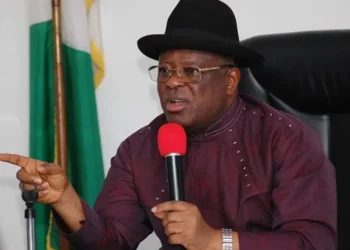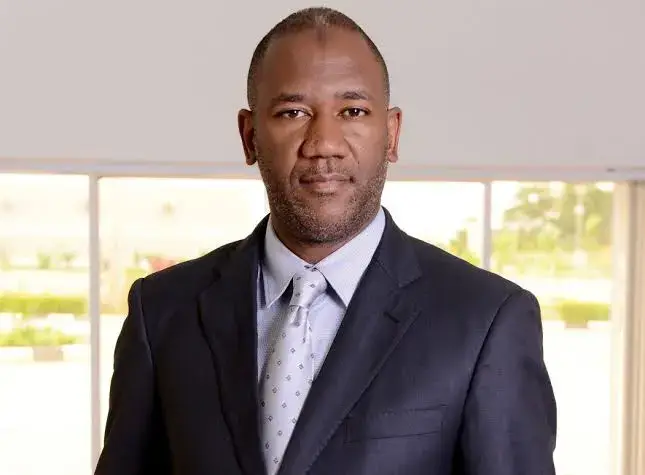
Former Labour Party vice-presidential candidate, Yusuf Datti Baba-Ahmed, has announced his resignation from the party and immediate move to the Peoples Redemption Party (PRP), in a major political shift that could reshape opposition alignments ahead of the 2027 general election.
Datti Baba-Ahmed, who ran alongside Peter Obi in the 2023 presidential election, disclosed his decision during an appearance on Channels Television’s Politics Today, saying the Labour Party had lost the ideals that attracted him to its platform.
His exit marks one of the most significant defections from the Labour Party since the end of the 2023 elections, coming amid deepening internal divisions and leadership battles within the opposition platform.
READ ALSO




Datti Baba-Ahmed said the party had drifted away from its founding vision, citing internal power struggles and what he described as deliberate political manoeuvres aimed at frustrating him.
“What Labour Party stood for then is no longer what it is today,” he said, adding that his resignation would take effect at midnight before formally aligning with the PRP.

The former senator also took a swipe at the ruling All Progressives Congress, accusing the Federal Government of focusing more on weakening opposition parties instead of addressing insecurity and economic hardship.
He said governance had taken a back seat while opposition parties continued to come under pressure.
His defection comes months after he distanced himself from ongoing coalition talks among opposition leaders seeking a united front against President Bola Tinubu in 2027.
That coalition, which has drawn major opposition figures including Atiku Abubakar, Nasir El-Rufai and Rotimi Amaechi, has been exploring the possibility of adopting the African Democratic Congress as a common political platform.
But Baba-Ahmed rejected the idea of a unified opposition ticket, describing it as politically unrealistic.
Instead, he said the PRP offers a historic and ideologically rooted alternative capable of rebuilding trust among Nigerians.
Founded in 1978 by the late Aminu Kano, the PRP remains one of Nigeria’s oldest political movements and has long been associated with progressive politics and grassroots mobilisation.
Political analysts say Datti Baba-Ahmed’s move could trigger wider realignments among opposition politicians dissatisfied with the Labour Party’s internal crisis.
Since the 2023 election, the Labour Party has been battling leadership disputes, court cases and factional struggles that have weakened the political momentum built by the Obi-Datti campaign.
The party’s crisis deepened in recent months as rival camps continued to battle over control of its national structure.
Datti Baba-Ahmed, however, insisted his move was not about seeking higher office, even as speculation grows over whether he may contest for the presidency in 2027.
He pointed to his political and business achievements, saying he had already made significant contributions to national development and remained focused on building a credible political alternative.
His entry into the PRP has already sparked reactions across political circles, with party loyalists welcoming the move as a major boost to its rebuilding efforts.
With preparations for the 2027 elections gradually gathering pace, Baba-Ahmed’s defection adds fresh momentum to opposition politics and raises new questions about the Labour Party’s future without two of its most visible figures from the 2023 presidential race.