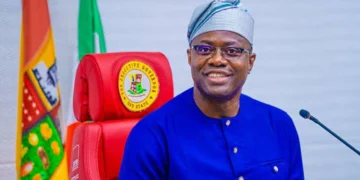




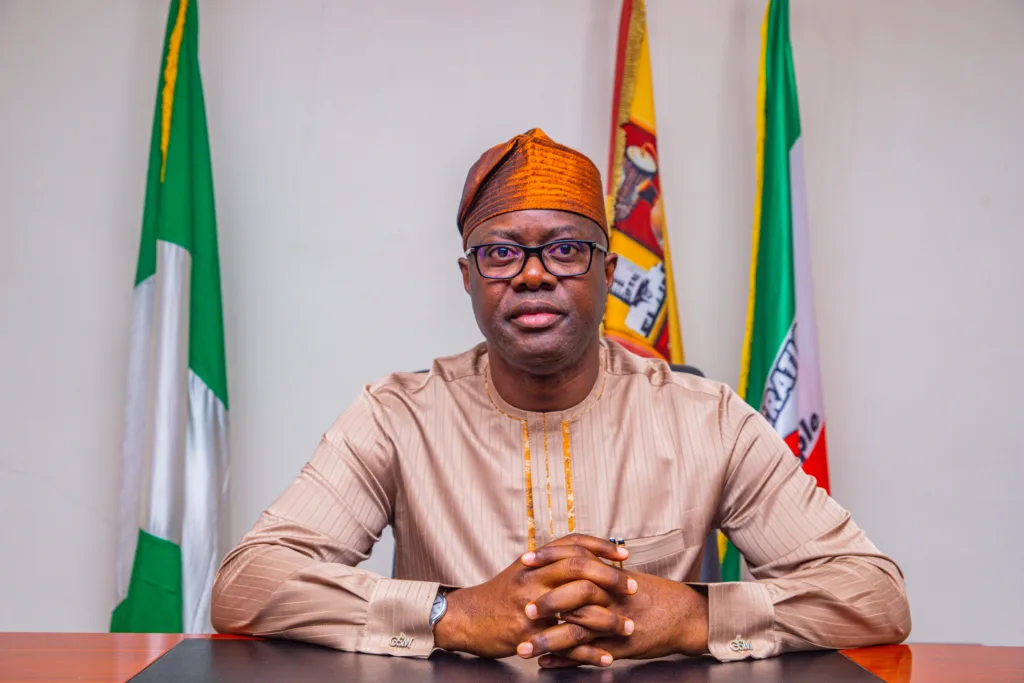
Oyo State Governor, Seyi Makinde, has pushed back against growing political conversations around the religious identity of his successor, insisting that competence, unity and continuity of progress must outweigh religious considerations in the build-up to the 2027 governorship election.
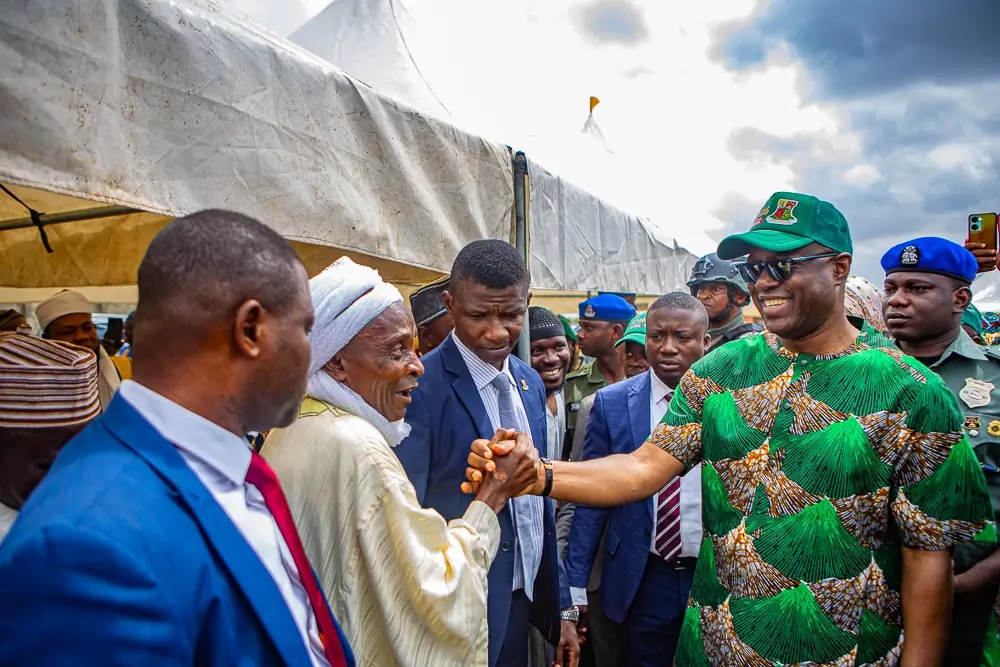
Makinde made the declaration on Wednesday at the Oyo State Hajj Camp in Olodo, Ibadan, while addressing 1,036 intending pilgrims set to participate in the 2026 Hajj exercise in Saudi Arabia.
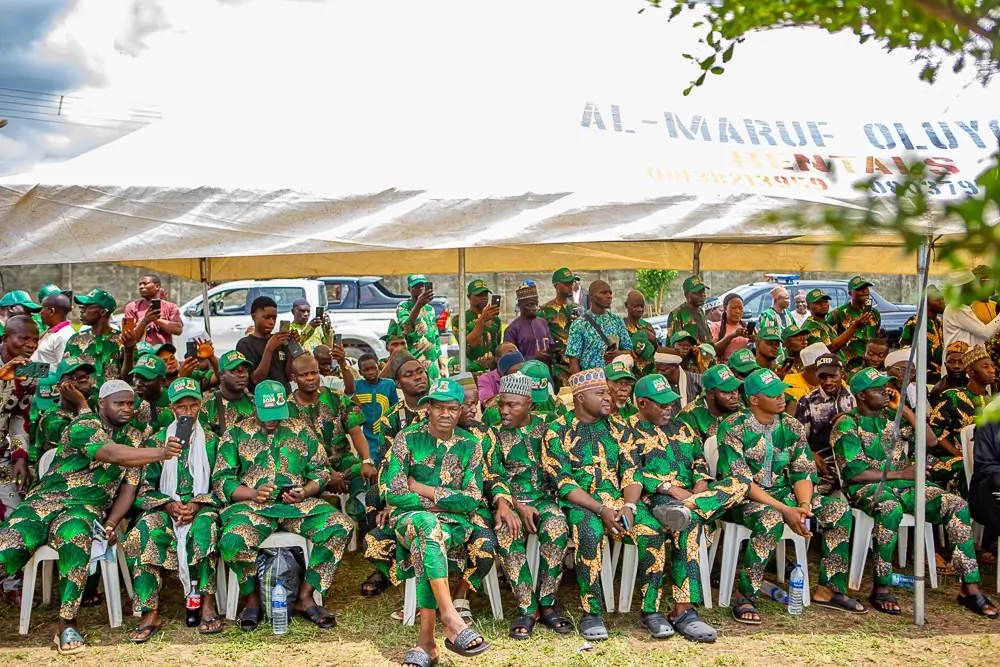
His remarks come amid increasing political agitation in some quarters for power rotation along religious lines, with some stakeholders reportedly pushing for a Muslim governor to succeed him when his second term expires in 2027.



But Makinde said Oyo’s political future must not be reduced to religion.
“In Oyo State, we are all one. We won’t allow religion to divide us,” the governor said.
“There is a lot of discussion going on about who becomes the next governor. Some are talking about religion and Muslim candidature, but I want you to pray that God chooses the person who will sustain the good works and achievements we have recorded.”
The governor stressed that Oyo State’s political future must be built on performance and continuity, not sentiment.
According to him, what matters most is preserving the peace, growth and development his administration has pursued over the last seven years.
Makinde noted that Oyo’s long-standing history of peaceful coexistence among Christians, Muslims and traditional worshippers should serve as a reminder that religion should never become a basis for political division.
Political observers believe the governor’s remarks could shape the succession debate in the state as political consultations intensify ahead of the 2027 election.
Since Nigeria’s return to democracy in 1999, Oyo has alternated between Christian and Muslim governors, often triggering debates about balancing political leadership along religious lines.
Makinde, however, has repeatedly insisted that competence and loyalty to the people of Oyo State will be his major considerations in supporting any successor.
At the Hajj farewell ceremony, the governor urged the pilgrims to use the opportunity of the pilgrimage to pray for peace, progress and divine guidance for both Oyo State and Nigeria.

He reminded them that leadership choices carry consequences that affect the lives of citizens for years.
“Whatever decision we make politically, we will live with it for the next four years,” he said.
Makinde also announced fresh support for the Oyo State Pilgrims Welfare Board (Muslim Wing), promising to complete an ongoing mosque construction and donate two buses—one for local operations and another for the movement of pilgrims in Saudi Arabia.
He commended Oyo pilgrims for maintaining a positive image of the state over the years, describing them as responsible ambassadors.
Earlier, Chairman of the Oyo State Pilgrims Welfare Board (Muslim Wing), Sheikh Wahab Atere, disclosed that all 1,036 intending pilgrims from the state had secured visas and accommodation arrangements.
He said the airlifting process would begin on May 3 in batches.
The event attracted top government officials, political leaders and Islamic clerics, including Deputy Governor Bayo Lawal and former Speaker Monsurat Sunmonu.
As political calculations for 2027 begin to take shape, Makinde’s latest intervention appears aimed at shifting the conversation from religion to governance, a signal that succession politics in Oyo may be driven more by performance than identity.