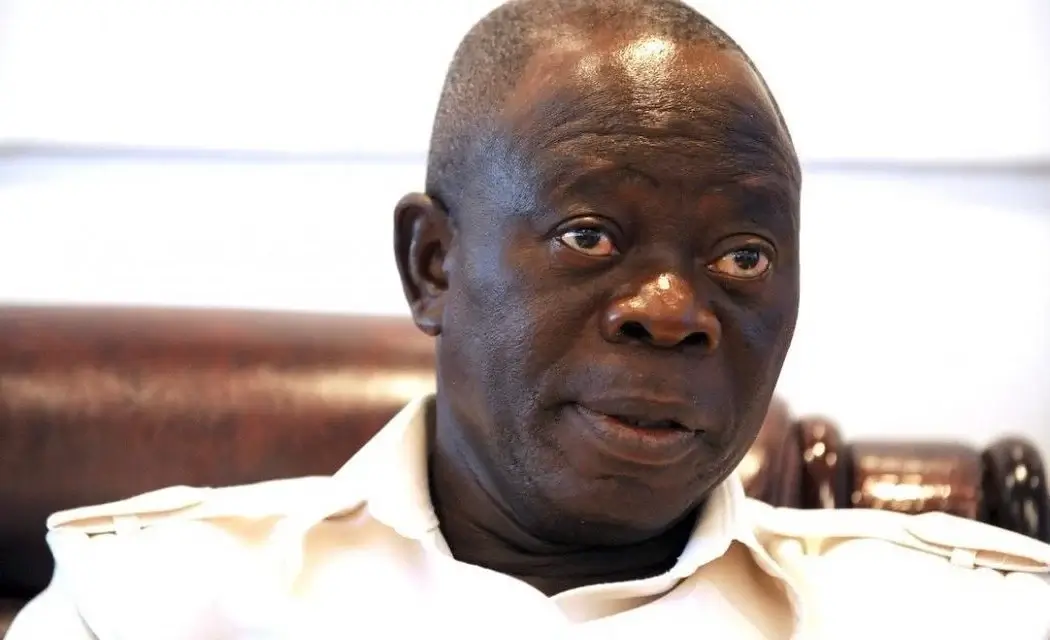
Nigeria’s diplomatic tension with South Africa over renewed xenophobic attacks escalated on Tuesday after Senator Adams Oshiomhole called for the revocation of operating licences of major South African companies in Nigeria, including MTN and DStv, as retaliation for continued attacks on Nigerians living in the country.
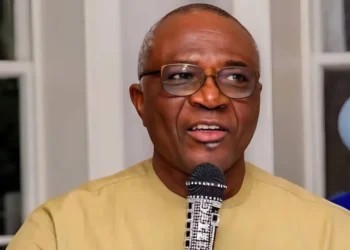
Oshiomhole made the call during Senate plenary while contributing to a motion on urgent national importance over the latest wave of violence targeting Nigerians in South Africa.
The Edo North senator said Nigeria must stop limiting its response to sympathy and diplomatic complaints, insisting that economic retaliation remains the strongest language in international relations.
READ ALSO


“I don’t want this Senate to be shedding tears or sympathising with those who have died. We didn’t come here to share tears. If you hit me, I’ll hit you. It is an economic struggle,” he said.
Senator Adams Oshiomhole specifically proposed that the Federal Government nationalise MTN Nigeria and revoke its operating licence, arguing that the telecom giant continues to make huge profits from Nigeria while Nigerians face hostility and attacks in South Africa.
He said taking such a step would serve as a strong deterrent and open more opportunities for Nigerian-owned companies.
Oshiomhole also urged the Federal Government to withdraw the licence of DStv, accusing the company of taking substantial economic value out of Nigeria.
According to him, Nigerians living in South Africa are not dependent on the host country but are there legitimately to work, do business and contribute to the economy.
His comments came as the National Assembly condemned the latest attacks and urged the Federal Government to intensify diplomatic engagement with South Africa and strengthen protective measures for Nigerians abroad.
Senator Victor Umeh described the situation as disturbing, saying many Nigerians in South Africa now live in fear and can no longer move freely.
Umeh noted that Nigeria played a major role in supporting South Africa during the anti-apartheid struggle and said it was painful to see Nigerians repeatedly targeted.
Senator Oshiomhole urged the African Union to step in and consider sanctions if the attacks persist.
Senator Abdul Ningi also warned that Nigeria could be forced to adopt tougher retaliatory measures if the killings continue.
Presiding over the session, Senate President Godswill Akpabio described the attacks as barbaric and unacceptable, revealing that the National Assembly would send a joint delegation to engage with the South African parliament.
The latest wave of xenophobic violence adds to a troubling history of attacks against foreign nationals in South Africa.
Major outbreaks in 2008, 2015 and 2019 led to deaths, destruction of businesses and diplomatic tensions between both countries, with Nigeria at different times recalling envoys and evacuating citizens.
The renewed attacks have once again reignited calls for stronger action, with growing pressure on the Federal Government to move beyond diplomatic protests and adopt firmer measures to defend Nigerians abroad.