The African Democratic Congress (ADC) suffered a major political setback on Tuesday as a fresh wave of defections hit the National Assembly, with 20 lawmakers dumping the party and allied opposition platforms in a development that has deepened cracks within Nigeria’s opposition coalition ahead of the 2027 general election.
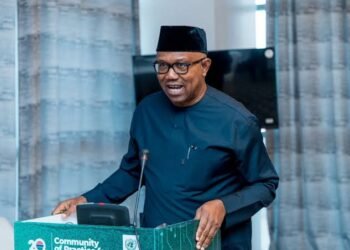
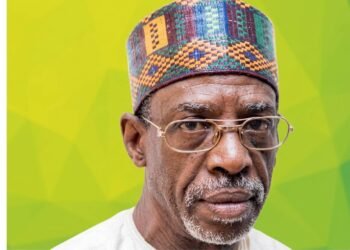
The latest political movement came barely 48 hours after former Anambra State governor Peter Obi and former Kano governor Rabiu Musa Kwankwaso formally dumped the African Democratic Congress (ADC) for the Nigeria Democratic Congress, triggering a chain reaction across opposition ranks.
At plenary in the House of Representatives, 17 lawmakers announced their defection from the ADC to the NDC, citing unresolved internal crises, factional leadership disputes and persistent litigation.




The lawmakers said the instability within the ADC had made it increasingly difficult to remain in the party.
In a separate move, Kogi lawmaker Leke Abejide resigned from the ADC and joined the ruling APC, further shrinking the opposition party’s presence in the Green Chamber.
The Senate also recorded fresh movements as Victor Umeh defected from the ADC to the NDC, while Rufai Hanga moved from the NNPP to the NDC.
Former Senate Minority Leader Enyinnaya Abaribe also announced his resignation from the ADC and immediate return to the Labour Party.
The growing defections have deepened concerns over the stability of the opposition coalition, particularly after attempts to build a united anti-APC alliance ahead of the 2027 election began to crack.
Obi, while explaining his departure from the ADC, blamed endless court cases, internal battles and suspicion within the party.
He said his decision was informed by the need to continue the struggle for a better Nigeria built on justice, competence and accountability.
Kwankwaso’s exit has also sparked movement within his Kwankwasiyya political base, especially in Kano, where several loyalists are already moving into the NDC structure.
Senate President Godswill Akpabio openly mocked the ADC’s worsening crisis during plenary, joking that the party was “dead” following the latest wave of exits.
He urged lawmakers to submit their resignation letters in batches instead of turning defections into what he described as a daily ritual.

Despite the growing losses, ADC spokesman Bolaji Abdullahi insisted the party remains strong and politically relevant.
He admitted that losing Obi and Kwankwaso was significant but maintained it would not destroy the party’s 2027 ambition.
Meanwhile, the NDC appears to be consolidating quickly.
Party insiders say the presidential ticket has been zoned to the South, a move widely seen as strengthening Obi’s chances of emerging as its presidential candidate.
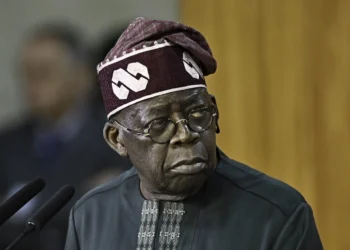
Political observers believe the collapse of the ADC-led coalition could significantly reshape opposition politics, with the NDC now positioning itself as a major alternative platform against President Bola Tinubu.
But the bigger challenge remains unity.
With personal ambitions, competing interests and trust issues still unresolved, the latest defections may expose the deeper weakness within Nigeria’s opposition — and once again hand the APC an advantage going into 2027.