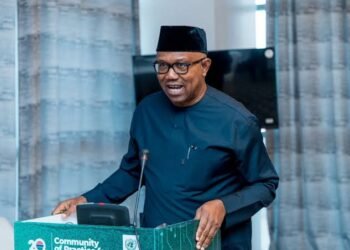
House of Representatives aspirants on the platform of the Nigeria Democratic Congress (NDC) have declared that former Labour Party presidential candidate, Peter Obi, would not be shielded from accountability if elected president in 2027.
The aspirants made the remarks during a press conference held in Abuja on Friday in collaboration with the Coalition for the Protection of Democracy (COPDEM), amid growing opposition coalition talks ahead of the next general election.
The development comes days after Obi and former Kano State governor, Rabiu Musa Kwankwaso, formally aligned with the NDC as efforts intensify to build a united opposition platform against the ruling All Progressives Congress (APC).

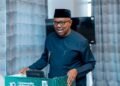

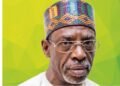
Speaking during the briefing, Nnamdi Iroegbu, an NDC House of Representatives aspirant for Aboh Mbaise/Ngor Okpala Federal Constituency in Imo State, insisted that an Obi presidency would be subjected to scrutiny and democratic accountability.
“Every government must be held accountable, including a Peter Obi presidency. By the time he comes on board and fails to do the bidding of the Nigerian people, he will be disengaged,” Iroegbu said.
He added that the proposed 11th National Assembly under the NDC would differ significantly from previous assemblies, stressing that lawmakers elected on the party’s platform would prioritise public interest over political loyalty.
“The 11th Assembly will definitely not be like the previous ones by the time Nigerians give us their mandate. Nigerians must refuse to become willing tools in the hands of oppressors,” he stated.
Iroegbu also warned against alleged electoral manipulation ahead of the 2027 polls and urged the Independent National Electoral Commission (INEC) to remain impartial.
“There will be no announcements of results while Nigerians are sleeping. INEC should realise it is not an appendage of government,” he added.
Another aspirant, Kingsley Ndube, who is contesting for the Anaocha/Njikoka/Dunukofia Federal Constituency seat in Anambra State, echoed similar sentiments, saying lawmakers must be prepared to hold even their own party leaders accountable.
“If Peter Obi fails to live up to the people’s expectations, we will hold him accountable. That is our duty,” Ndube said.
According to him, many of the aspirants joining the NDC were driven by patriotism rather than personal political ambition.
“You can see that many of us are not coming from the establishment. We are passionate about this country and we will always ask questions,” he said.
The conference, themed “Rescue Nigeria: Consolidating Hope, Building a New Beginning,” focused heavily on issues of insecurity, economic hardship, unemployment and governance failures.
Also speaking, Gambari Ismaila, an aspirant for the Bwari Constituency in the Federal Capital Territory, described the movement as a “national awakening” aimed at rebuilding public trust in governance.
“We reject governance that is about looting instead of service. We reject leadership without competence, compassion and integrity,” he said.
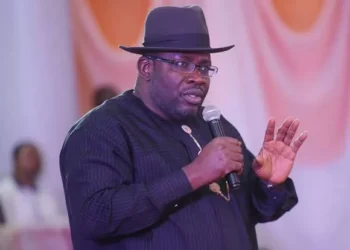
Ismaila also paid tribute to former Bayelsa State governor, Senator Seriake Dickson, whom he described as the founder and National Leader of the NDC.
Meanwhile, COPDEM National Youth Leader, Akor Oche, described the emerging Obi-Kwankwaso alliance as a powerful political combination capable of reshaping Nigeria’s political landscape.
“Peter Obi came with Dr Rabiu Kwankwaso and the entire Kwankwasiyya Movement. This is a good combination for Nigerians,” Oche stated.
According to him, the proposed alliance represents a bridge between the North and South at a time the country remains deeply divided along ethnic and religious lines.
“The political class has divided Nigerians for years, but this coalition is a welcome development,” he added.
Obi and Kwankwaso had earlier urged party members to avoid internal crises and legal disputes while building a united opposition movement ahead of the 2027 elections.
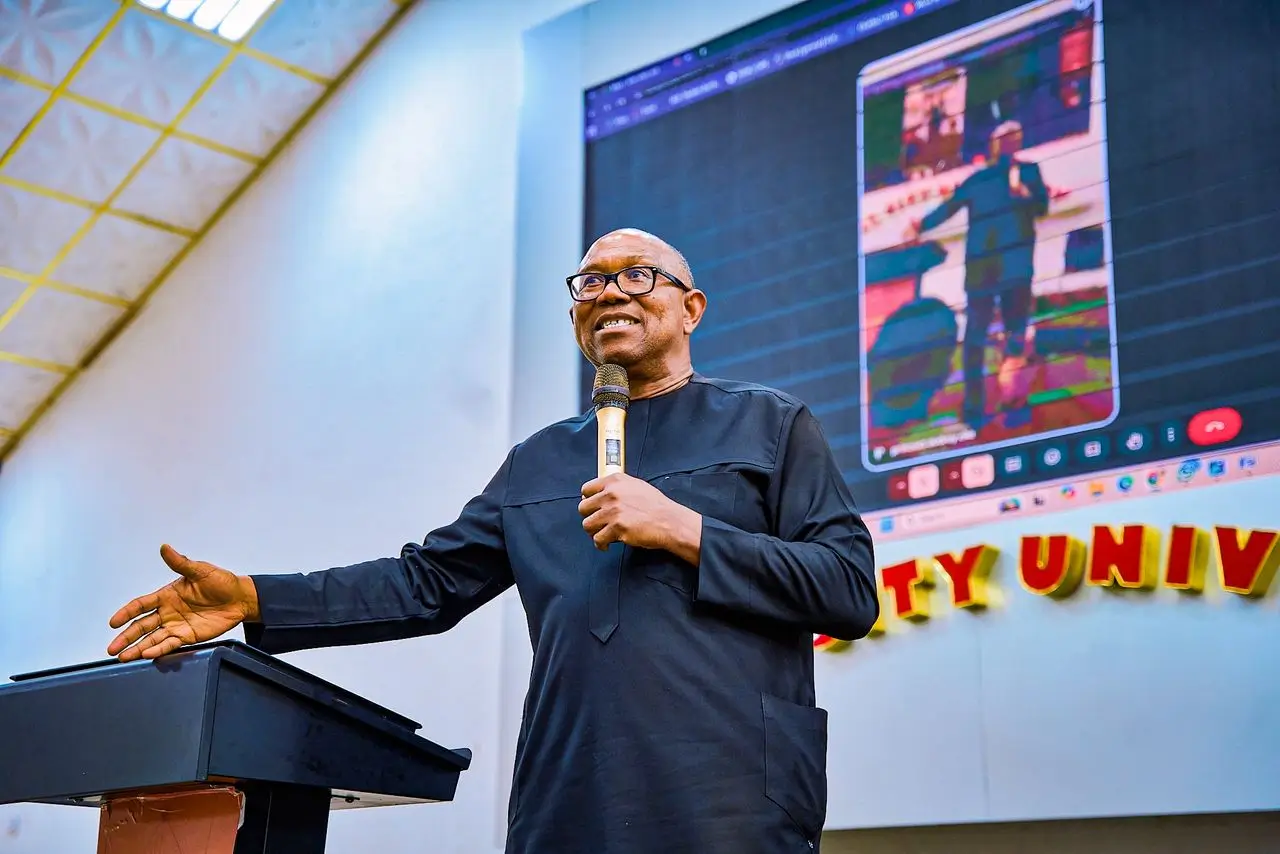
The former Anambra State governor said the decision to join the platform was informed by the need for a stable political structure capable of sustaining long-term opposition politics.