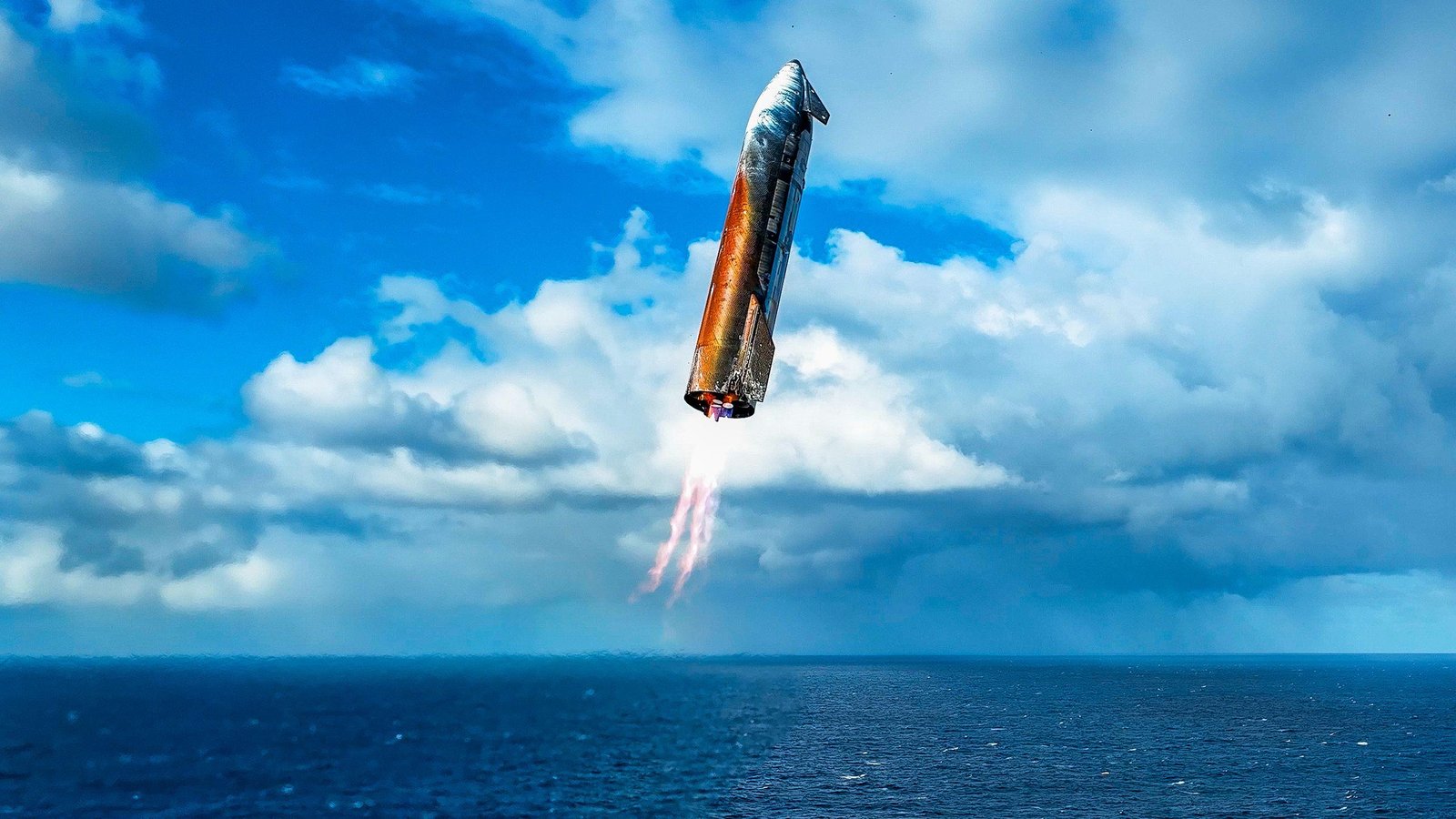
SpaceX has scored a crucial technical and investor-relations win ahead of its highly anticipated stock market debut after its upgraded Starship rocket completed a largely successful test flight, easing concerns over the company’s readiness for a record-breaking IPO.
The latest Starship launch, conducted on Friday, marked the 12th test flight of the spacecraft since 2023 and the first outing of its V3 prototype. The mission successfully deployed mock satellites and executed a controlled splashdown in the Indian Ocean, although the Super Heavy booster failed to achieve a controlled landing and crashed into the Gulf of Mexico.
Analysts say the outcome was enough to reassure investors that the rocket program—central to Elon Musk’s long-term ambitions—is moving in the right direction despite persistent engineering hurdles.
READ ALSO



“SpaceX did not need perfection from this Starship flight. It needed proof that the upgraded vehicle is moving in the right direction, and that is largely what investors saw,” Mark Vena, CEO of SmartTech Research, said.
SpaceX is preparing for what could become the largest IPO in history, with reports indicating that the company is targeting a valuation of about $1.75 trillion and could raise as much as $80 billion from investors. The company is expected to begin its investor roadshow on June 4 ahead of a possible Nasdaq debut later in June.
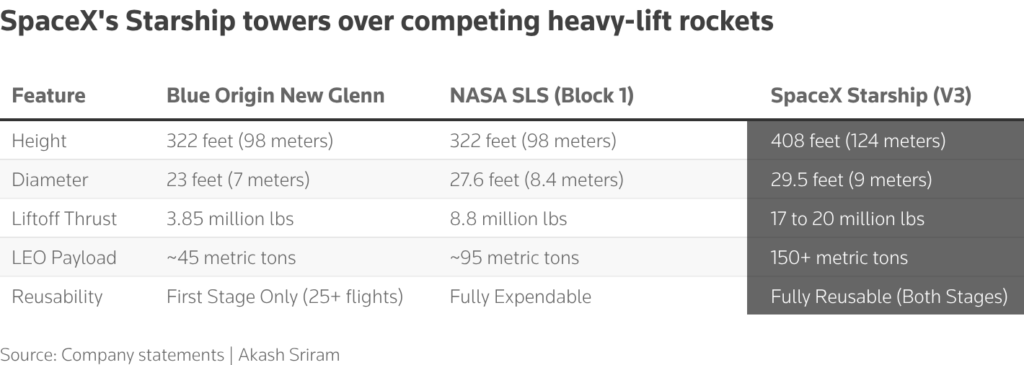
The Starship project has become one of the most closely watched components of the IPO because of its strategic importance to SpaceX’s future business model. The fully reusable rocket system is expected to slash launch costs, accelerate deployment of the company’s Starlink satellites, and support future moon and Mars missions.
SpaceX has already spent more than $15 billion developing Starship as the company races to perfect rapid rocket reusability at commercial scale.
Industry analysts, however, warned that the company still has significant technical milestones to achieve before Starship can become commercially reliable.
Austin Moeller, managing director of equity research at Canaccord Genuity, said SpaceX must still demonstrate “successful launch, payload deployment, orbits, and touchdown of the booster and the vehicle” before the system can support large-scale orbital infrastructure projects.
Antoine Grenier, partner and head of space consulting at Analysys Mason, described the latest test as a “lukewarm success,” arguing that a total failure would have rattled investor confidence while a flawless mission could have triggered excessive IPO hype.
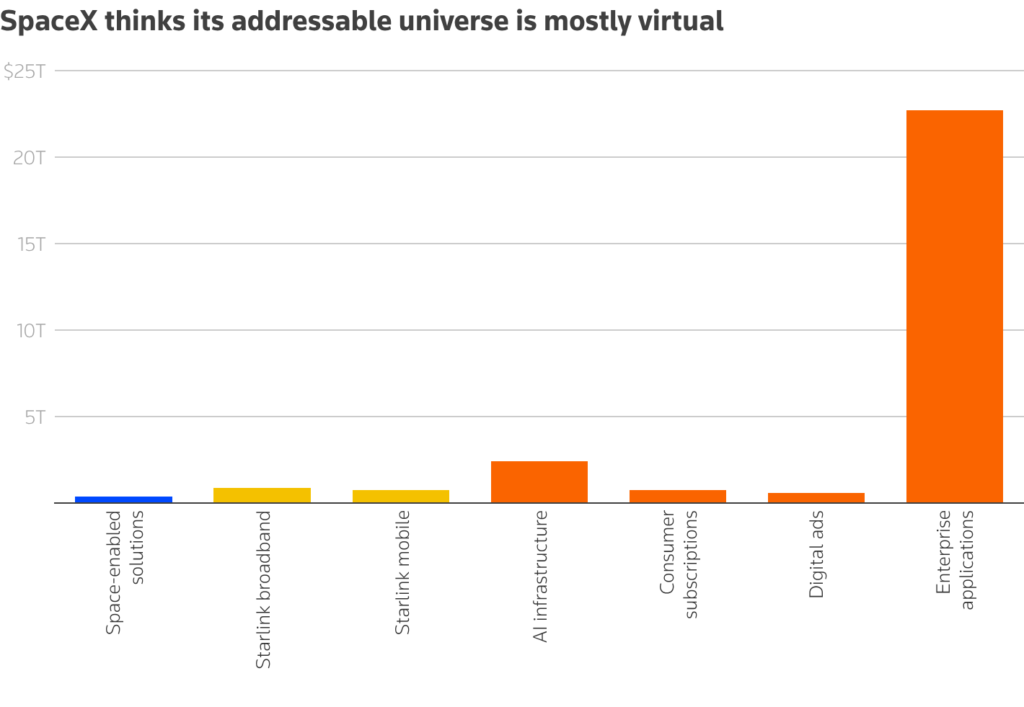
The company’s IPO momentum has also triggered a broader rally across space-related stocks, with investors increasingly viewing SpaceX not only as a launch company but also as a potential future AI infrastructure giant.