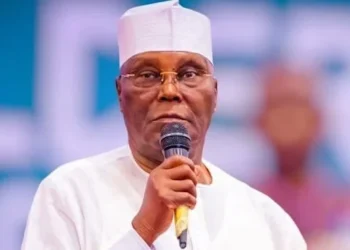
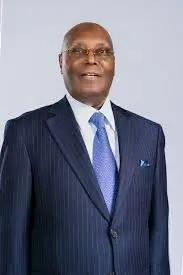
Former Vice President Atiku Abubakar has launched a scathing attack on the Federal Government’s latest plan to raise fresh debt to settle obligations in Nigeria’s troubled electricity sector, describing the move as a “racket dressed up as reform” and demanding a full account of how previous intervention funds were spent.
In a statement issued on Sunday through his Senior Special Assistant on Public Communication, Phrank Shaibu, the African Democratic Congress presidential candidate questioned why the Federal Government was seeking another round of borrowing to address debts that officials had repeatedly claimed were already being settled.
The criticism comes amid growing concerns over the liquidity crisis in Nigeria’s power sector, where generation companies and gas suppliers have repeatedly complained about mounting unpaid obligations that continue to threaten electricity supply and investor confidence.
READ ALSO

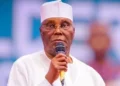

Atiku argued that Nigerians deserve a comprehensive explanation before any new bond programme is approved.
“Nigerians have every right to be outraged by what is fast becoming a recurring cycle of borrowing, deception, and non-disclosure,” he said.
The former Vice President recalled that the Federal Government announced a ₦590 billion power sector bond in December 2025 to offset debts owed to electricity generation companies and gas suppliers.
According to him, another ₦501 billion bond reportedly followed shortly afterward under the same programme.
Atiku also referenced the Federal Government’s announcement earlier this year of a fresh ₦3.3 trillion debt-clearing initiative for the power sector.
However, Atiku said recent disclosures by industry operators suggest that many of the obligations remain unsettled despite the repeated interventions.
Citing comments attributed to the Association of Power Generation Companies, he questioned whether the funds raised under previous programmes had reached the intended beneficiaries.
He challenged the administration to disclose how much had been raised under various debt-settlement arrangements, where the funds were domiciled, who received payments and what liabilities remain outstanding.

The remarks have added another layer to the ongoing debate surrounding Nigeria’s electricity sector, which has struggled for decades with inadequate generation, transmission bottlenecks, tariff disputes and persistent financing challenges.
Industry stakeholders have repeatedly warned that unpaid debts owed to generation companies and gas suppliers could worsen electricity shortages and discourage investment in critical infrastructure.
Atiku maintained that ordinary Nigerians continue to bear the consequences of the sector’s dysfunction through unreliable power supply, rising electricity costs and dependence on generators and alternative energy sources.
The Federal Government had not officially responded to the allegations as of Sunday evening.