



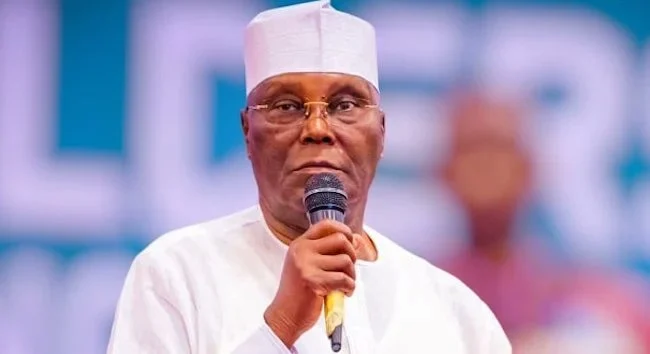
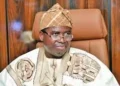
Former Vice President and African Democratic Congress presidential candidate, Atiku Abubakar, has intensified his criticism of President Bola Tinubu’s administration, accusing it of intolerance toward dissent, misrepresenting Nigeria’s economic realities and disrespecting the Catholic Church over comments made by Cardinal John Onaiyekan.
In two statements issued on Sunday through his Senior Special Assistant on Public Communication, Phrank Shaibu, Atiku demanded an immediate apology to the former Catholic Archbishop of Abuja and the Catholic Church, while dismissing the Federal Government’s defence of its economic reforms as misleading.
His latest intervention follows an exchange between the Presidency and leaders of the Catholic Bishops’ Conference of Nigeria after the bishops raised concerns about insecurity, poverty, rising living costs and governance during a recent engagement with President Tinubu.


According to Atiku, the Presidency should have reflected on the concerns raised by the bishops instead of responding with intimidation and political attacks.
He described the Catholic Church as one of Nigeria’s enduring moral institutions, arguing that its leaders have consistently defended the interests of ordinary Nigerians regardless of which political party controls the Federal Government.
Atiku also defended Cardinal Onaiyekan’s decision to address journalists after the meeting, saying the cleric merely sought to present the facts after what he alleged was an attempt by the Presidency to shape public perception of the engagement.
The former vice president accused the administration of trying to undermine the credibility of the bishops and warned that democracy would suffer if religious leaders and citizens were attacked for expressing independent opinions.
He insisted that the Presidency owed Cardinal Onaiyekan, the Catholic Church and millions of Catholic faithful an immediate and unreserved apology.
On the economy, Atiku rejected the government’s defence of its reforms, arguing that official figures did not reflect the hardship experienced by Nigerians.
He maintained that claims that fuel subsidy savings were reducing government debt contradicted available financial data and alleged that Federal Government indebtedness to the Central Bank of Nigeria had continued to increase.

Atiku also questioned claims that subsidy savings had improved workers’ welfare, pointing to complaints over incomplete implementation of the new minimum wage package and unpaid allowances.
He challenged assertions that subsidy savings were financing the Nigerian Education Loan Fund, saying previous public statements suggested part of the scheme’s funding came from recovered assets.
The ADC presidential candidate further blamed the administration’s borrowing and monetary policies for rising lending rates, increased debt-servicing costs and mounting pressure on businesses.
He argued that Nigerians were experiencing worsening inflation, rising food prices, unemployment and declining purchasing power despite official assurances that the economy was improving.
“Governments are judged not by PowerPoint presentations or television interviews but by the quality of life of their citizens,” Atiku said.
The Federal Government has consistently defended its reforms, insisting they are necessary to stabilise the economy, improve public finances and attract investment, even as debates continue over their impact on inflation and the cost of living.