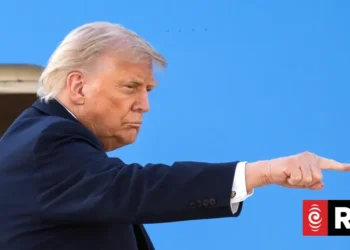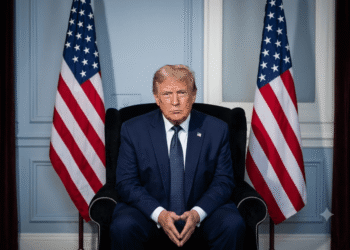
Fresh tensions have erupted between Iran and the United States after Tehran warned Washington against issuing threats, following comments by President Donald Trump that raised fears of renewed military confrontation despite ongoing peace negotiations in Switzerland.
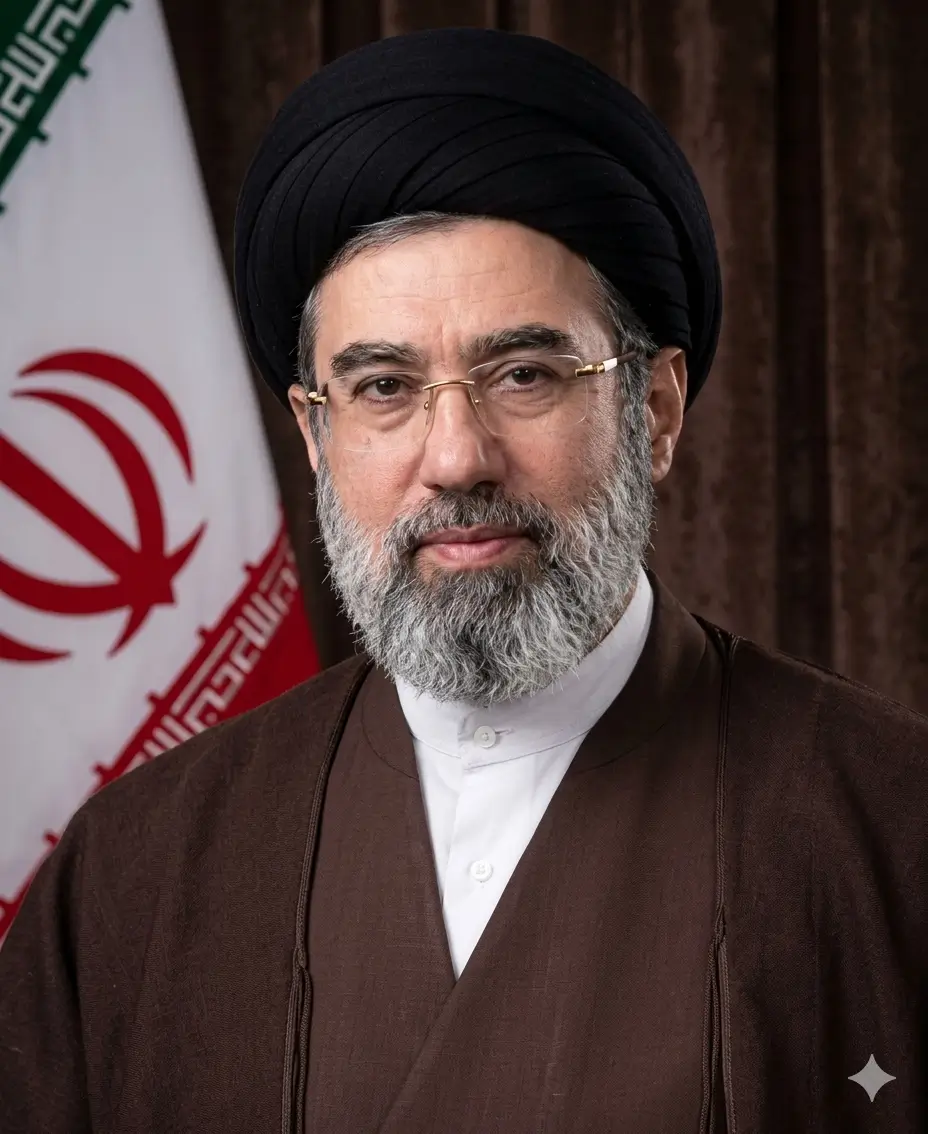
Iran’s chief negotiator and parliament speaker, Mohammad Bagher Ghalibaf, said on Sunday that Tehran would not be intimidated by American rhetoric and declared that the country’s armed forces were prepared to respond if provoked.
“Don’t they think that if their threats had any effect, they would not have reached today’s state of desperation? We do not take American threats into account,” Ghalibaf said.
READ ALSO




“They would do better to be careful with their statements; our armed forces are ready to respond to them in a different manner. No matter what they say, we are the ones who act.”
The remarks came hours after Trump issued a warning on his Truth Social platform, demanding that Iran rein in Hezbollah, the powerful Lebanese group backed by Tehran.
“Iran must immediately stop their highly paid PROXIES in Lebanon from causing trouble,” Trump wrote.
“If they don’t, we’ll hit Iran very hard again, just like we did last week, only harder.”
The exchange marks the sharpest public confrontation between both countries since they signed a memorandum of understanding earlier this month aimed at ending months of hostilities and opening a path toward a broader peace agreement.
Diplomatic efforts, however, are increasingly being overshadowed by disagreements over Hezbollah, the Strait of Hormuz and the implementation of the preliminary agreement signed by both sides.
The latest dispute also comes amid concerns that Trump’s comments could undermine the fragile diplomatic process.
Iranian media outlets claimed the threats contributed to the suspension of discussions taking place in Switzerland, though no official confirmation was immediately issued by either delegation.
Analysts say the disagreement highlights the fragile nature of the emerging peace process. While both countries have publicly committed to dialogue, significant issues remain unresolved, including Iran’s regional influence, sanctions relief, maritime security and the future of its nuclear programme.
The situation is further complicated by the conflict involving Hezbollah and Israel in Lebanon, which has repeatedly threatened to derail diplomatic efforts.
Trump has repeatedly argued that Iran must curb support for armed groups across the Middle East, while Tehran maintains that such organisations operate independently and form part of a regional resistance network.
The memorandum signed earlier this month reportedly included commitments by both sides to avoid threats or the use of force against one another as negotiations continue. Yet the latest exchange underscores how quickly tensions can resurface despite ongoing diplomacy.
With talks continuing under intense international scrutiny, diplomats will be watching closely to see whether both sides can contain the latest dispute and prevent it from escalating into another military crisis.