U.S. President Donald Trump has declared that the fragile ceasefire between the United States and Iran is effectively over, dramatically escalating tensions in the Middle East after fresh American military strikes and Iranian retaliation triggered renewed fears of a wider regional conflict.
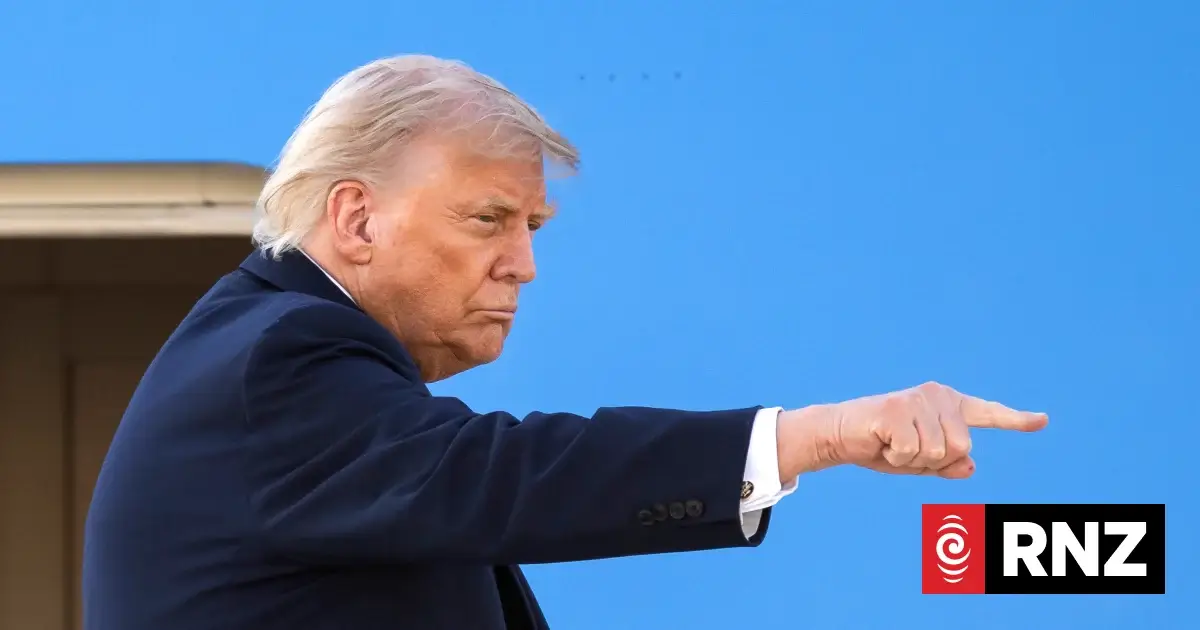
Speaking on Wednesday ahead of a NATO summit in Ankara, Turkey, Trump dismissed any immediate prospect of reviving the truce, describing Iran’s leadership in unusually harsh terms and insisting that further negotiations were unlikely to succeed.
“I think it’s over. I don’t want to deal with them anymore,” Trump told reporters. He accused Tehran of repeatedly undermining previous understandings and questioned whether continued diplomatic engagement was worthwhile.




Despite his remarks, Trump said U.S. negotiators could continue discussions with Iranian officials if they wished, although he maintained that he no longer believed talks would produce meaningful results.
The latest deterioration followed a new wave of U.S. military operations targeting Iranian military assets after Washington blamed Tehran for attacks on commercial shipping in the strategically important Strait of Hormuz. U.S. Central Command said the operation struck dozens of military targets, including air defence systems, command facilities, coastal radar installations and vessels linked to Iran’s Islamic Revolutionary Guard Corps (IRGC).

Iran responded with missile and drone attacks aimed at U.S. military facilities in Bahrain and Kuwait, according to Iranian state-linked media. Authorities in Kuwait reported intercepting incoming threats, while Bahrain activated emergency warning systems and urged residents to seek shelter. The full extent of casualties and damage remained unclear.
The renewed confrontation also sent shockwaves through global financial markets.
Brent crude prices climbed sharply after Trump’s remarks, reflecting growing concerns that continued fighting could further disrupt shipping through the Strait of Hormuz, one of the world’s busiest oil transit routes through which roughly one-fifth of globally traded petroleum passes. Investors also shifted toward safer assets as fears of prolonged instability spread across international markets.
The ceasefire had been intended as a temporary arrangement to create space for indirect negotiations over Iran’s nuclear programme, regional security and sanctions relief. However, talks reportedly stalled after several rounds of negotiations failed to bridge major differences between both governments. Washington subsequently revoked a temporary licence that had allowed limited Iranian oil exports, adding fresh economic pressure on Tehran.
Trump also criticised several NATO allies for declining to participate directly in recent U.S. military actions against Iran, saying some European partners were unwilling to support Washington despite what he described as a shared security threat.
NATO Secretary General Mark Rutte defended the latest U.S. military action, describing the strikes as necessary while reiterating the alliance’s broader commitment to regional stability.
The latest escalation represents a significant setback for diplomatic efforts aimed at preventing a broader regional war after months of hostilities involving the United States, Iran and their respective allies. Security analysts warn that continued military exchanges could place additional pressure on global energy markets, disrupt maritime trade and further complicate international efforts to revive negotiations over Iran’s nuclear programme.
With both Washington and Tehran accusing each other of violating previous commitments, prospects for an immediate return to diplomacy appear increasingly uncertain as world leaders continue discussions on regional security and the future of the conflict.