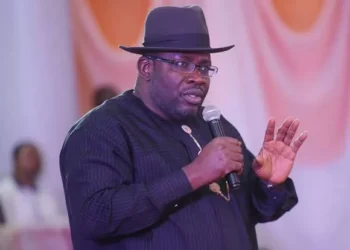
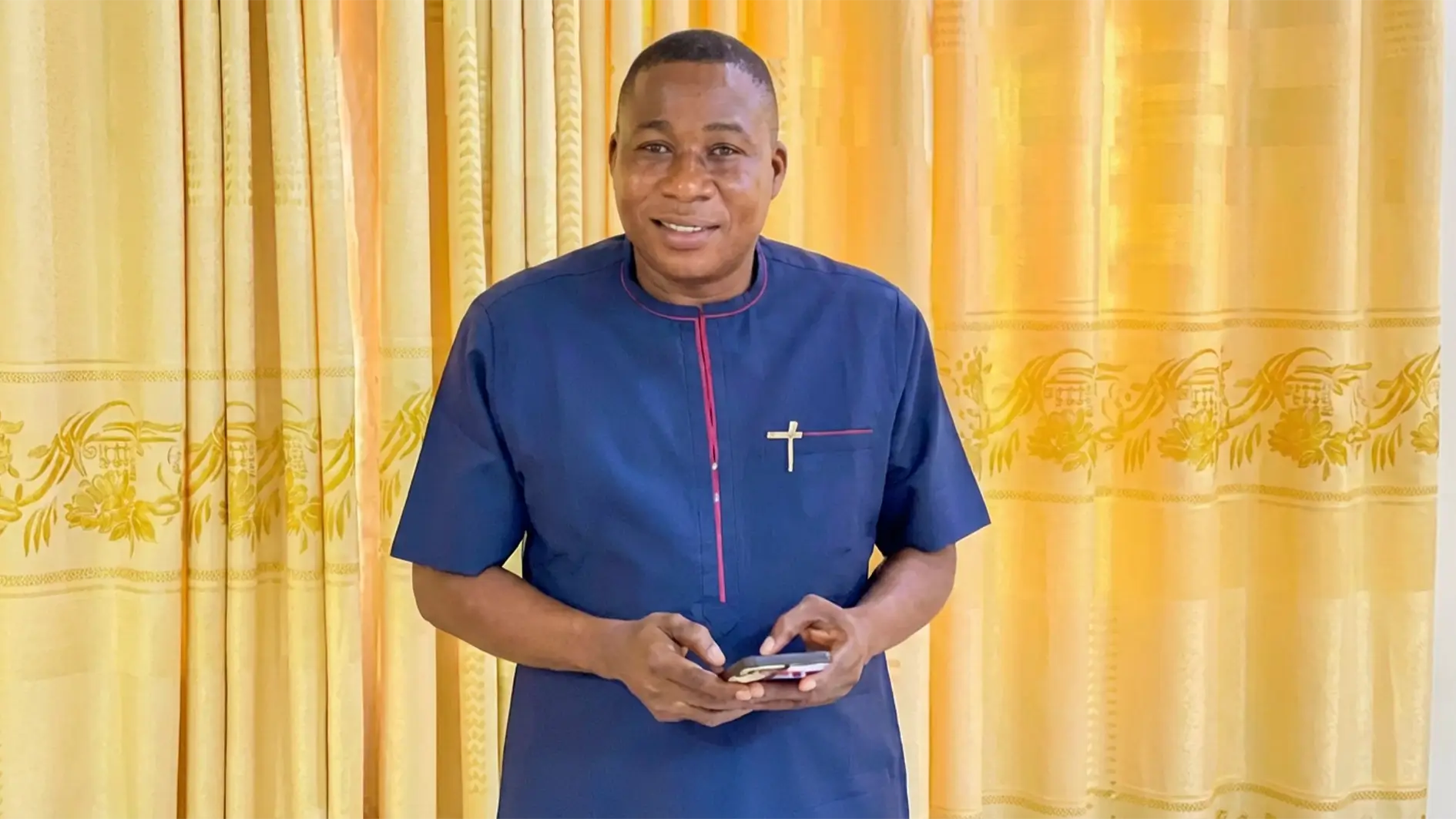
Yoruba nation activist, Sunday Igboho, has insisted that his calls for stronger security measures across the South-West are directed at criminal elements and not targeted at any ethnic group.
Sunday Igboho made the clarification on Monday amid growing controversy over recent comments linked to insecurity in parts of Oyo State and other Yoruba communities.
In a statement issued through his spokesperson, Olayomi Koiki, Igboho said his long-standing advocacy has always focused on combating kidnapping, killings, banditry and other violent crimes affecting communities across the region.




His response followed a statement by the Concerned Fulani People of Nigeria, which had urged President Bola Tinubu and Oyo State Governor Seyi Makinde to caution the Yoruba nation agitator over what it described as inflammatory remarks directed at Fulani communities in Oyo State.
Reacting to the criticism, Igboho dismissed the allegations, describing them as a distortion of his position on security challenges confronting communities in the South-West.
“It is obvious that since my agitation for improved security in South-West and other parts of the country, I have never declared war against any ethnic group but have consistently voiced my position against criminal elements responsible for kidnapping, vicious killings, rape and violent attacks across Yoruba communities,” the statement said.
According to him, criminality should never be interpreted through an ethnic lens, stressing that offenders must be identified and prosecuted regardless of their background.

“We will never advocate hatred against any ethnic group. Our position has always been very clear: criminals should be identified, arrested and prosecuted by law enforcement agencies regardless of their ethnic, religious and political inclinations because crime has no colour or race.”
The activist argued that portraying security concerns as ethnic profiling ignores the realities faced by residents of rural communities who continue to grapple with violent attacks, kidnappings and other threats to their livelihoods.
He maintained that the protection of lives and property remains the primary objective of his advocacy and called on Nigerians across ethnic, political and religious divides to unite against criminality.
Igboho also commended ongoing security operations being carried out by federal security agencies across the country.
He specifically praised security operatives and intelligence agencies for intensifying actions against criminal networks operating in different parts of Nigeria.
The activist said community leaders, traditional institutions and residents must complement the efforts of security agencies by providing useful information capable of improving public safety.
He insisted that attention should be directed at strengthening security architecture, dismantling criminal networks and ensuring justice for victims of kidnapping and violent crimes.
His latest remarks are expected to further fuel discussions around security, ethnic relations and the role of community-based advocacy in addressing Nigeria’s persistent security challenges.