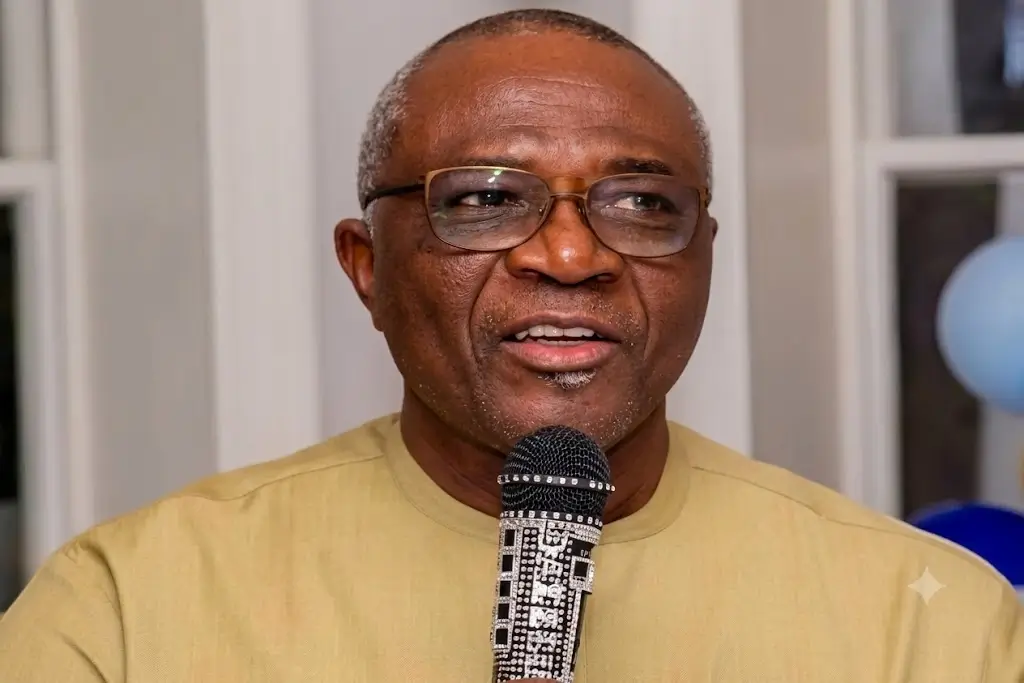
A fresh debate over Nigeria’s troubled electricity sector has erupted after presidential spokesman Bayo Onanuga challenged Peter Obi’s promise to add at least 10,000 megawatts of electricity generation and distribution capacity within four years if elected president in 2027.
Speaking during an interview on Arise Television on Tuesday, Onanuga argued that the former Labour Party presidential candidate’s pledge reflects a misunderstanding of the country’s current power infrastructure, insisting that Nigeria already possesses an installed generation capacity of about 13,500 megawatts.
According to the Special Adviser to President Bola Tinubu on Information and Strategy, the real obstacles facing the electricity sector are not merely generation capacity but longstanding structural problems, including inadequate gas supply, legacy debts owed to gas producers and weaknesses within the national transmission network.
READ ALSO


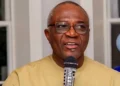

“What people don’t know, and which unfortunately Peter Obi did not know when he came and said he’s going to generate 10,000 megawatts, is that we already have in Nigeria installed capacity of 13,500 megawatts,” Onanuga said.
His comments come days after Obi pledged to significantly expand electricity generation and distribution if elected in 2027, placing power sector reform at the centre of his economic agenda.
Nigeria’s electricity crisis remains one of the country’s most persistent development challenges despite years of reforms, privatisation efforts and substantial investment.
Onanuga said many generating companies are unable to operate at full capacity because of gas supply shortages and huge debts accumulated over several years.
“What are the problems? No gas. The players in the sector are owing the gas companies legacy debt of over N4 trillion, which has become the problem of this administration, and it is trying to clear it,” he stated.
The presidential aide also defended the Tinubu administration’s power sector reforms, pointing to the Electricity Act signed shortly after the president assumed office.
The legislation decentralised parts of the electricity market and granted states greater authority to generate, transmit and distribute power.
“To show that he meant business, the first thing he did when he came to office was sign the Electricity Act, which enables states to generate power, transmit power and distribute power,” Onanuga said.
Beyond generation challenges, he identified the national grid as another major bottleneck, describing the transmission infrastructure as outdated and requiring substantial investment.
He added that the Federal Government is pursuing reforms aimed at modernising critical assets within the power sector.
The exchange has added a political dimension to ongoing discussions about Nigeria’s energy future ahead of the 2027 election cycle, where electricity supply is expected to remain one of the key issues influencing public debate and voter expectations.