
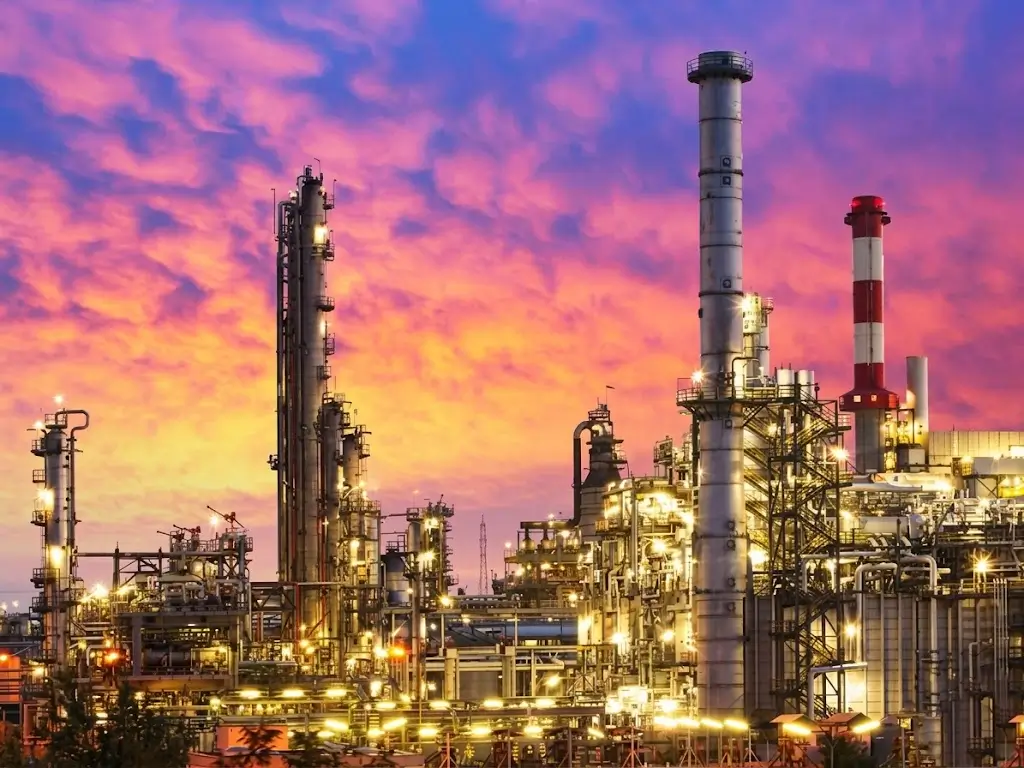
The Dangote Petroleum Refinery has reduced its ex-gantry price for Premium Motor Spirit (PMS), popularly known as petrol, from N1,125 per litre to N1,075 per litre, in a move expected to intensify competition within Nigeria’s downstream petroleum market.
The latest adjustment represents a reduction of N50 per litre, or about 4.4 per cent, and marks the refinery’s second downward review within one week.
The development follows an earlier reduction from N1,175 per litre to N1,125 per litre, reflecting the refinery’s continued efforts to improve competitiveness and broaden access to refined petroleum products.




Findings on Thursday also showed that Dangote Refinery aligned its coastal loading price with its ex-gantry rate, fixing both categories at N1,075 per litre and removing the previous pricing difference between coastal and gantry transactions.

A senior official of the refinery, who spoke anonymously because he was not authorised to comment publicly, confirmed that the new pricing structure took immediate effect.
“The refinery has reduced the ex-gantry price of PMS from N1,125 per litre to N1,075 per litre. The coastal loading price has also been adjusted to N1,075 per litre. This is part of the refinery’s efforts to make products more accessible and competitive in the market,” the official said.
The source also disclosed that the refinery had ended its 20-member consortium arrangement, allowing all qualified marketers access to product loading.
“The consortium arrangement has been cancelled. Loading at both the gantry and coastal terminals is now open to all marketers that meet the necessary requirements. The objective is to deepen market access and ensure seamless distribution of products across the country,” the official added.
Industry checks further confirmed the revised ex-depot price of N1,075 per litre.
The latest reduction is expected to influence retail pump prices in the coming days, especially among filling stations sourcing directly from the refinery.
The move comes amid increasing competition in Nigeria’s deregulated downstream sector and ongoing efforts to ensure consumers benefit from improved domestic refining capacity.
Earlier this week, Minister of State for Petroleum Resources (Oil), Heineken Lokpobiri, reiterated that petrol prices in a deregulated market would be determined by market forces and competition rather than government controls.
Regulators, including the Nigerian Midstream and Downstream Petroleum Regulatory Authority, have also maintained that petrol prices should remain cost-reflective while promoting transparency and fair competition across the industry.
Analysts say the refinery’s latest pricing decision could place additional pressure on marketers and importers to adjust their pump prices downward in order to remain competitive.