The World Health Organisation has officially declared the hantavirus outbreak linked to the cruise ship MV Hondius over, ending a health emergency that sparked international concern and prompted extensive monitoring efforts across dozens of countries.
WHO Director-General Tedros Adhanom Ghebreyesus announced the development on Thursday after the final identified contact of an exposed person completed quarantine, tested negative and returned home.
“Today, the final contact of a person exposed to hantavirus on the cruise ship MV Hondius completed their quarantine period, tested negative and returned home,” Tedros said.




“No further cases have been reported since May 25. We are therefore very pleased to say that WHO considers the outbreak of hantavirus over.”
The outbreak recorded 13 confirmed and probable cases, including three deaths, and triggered a large-scale international response involving health authorities in more than 30 countries.
The Dutch-flagged MV Hondius departed Ushuaia, Argentina, on April 1 for an expedition voyage through remote South Atlantic islands before heading to Tenerife in Spain’s Canary Islands, where passengers were evacuated.
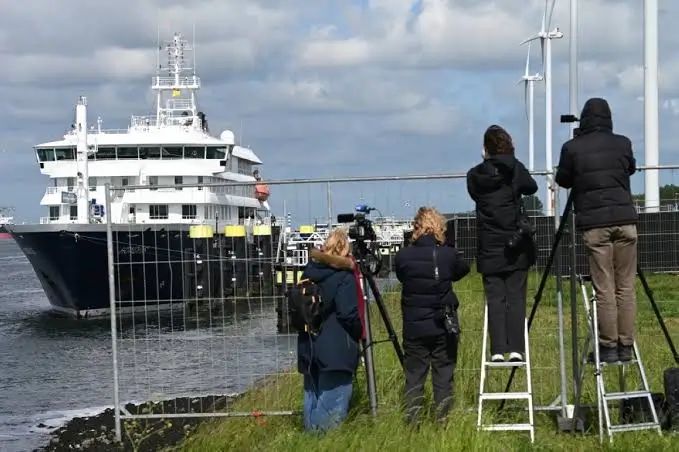
The vessel later docked in Rotterdam on May 18 and resumed operations after undergoing cleaning and disinfection.
WHO said more than 650 contacts were identified and followed up by health authorities across 33 countries and territories.
Tedros disclosed that the organisation would continue efforts to better understand the disease and support the development of diagnostics, treatments and vaccines.
“We are also coordinating a study involving 21 countries to understand how the disease develops, which will support the development of diagnostics, therapeutics and vaccines for future outbreaks,” he said.

Hantavirus is primarily spread by rodents, but the Andes strain implicated in the outbreak is the only known hantavirus capable of limited human-to-human transmission.
Scientists initially suspected that one of the passengers contracted the virus before boarding the vessel while travelling through endemic regions in Argentina, although investigations into the precise source of the outbreak are still ongoing.
WHO’s high-impact epidemics lead, Diana Rojas Alvarez, noted that despite the end of the outbreak, hantaviruses remain a public health threat in parts of South America and other endemic regions.
She stressed the need for continued surveillance, preparedness and community engagement to prevent future outbreaks.
Health experts say the incident highlights the importance of international collaboration and rapid public health responses in containing emerging infectious diseases.