The United Nations Development Programme (UNDP) has called on Nigeria and other African countries to accelerate their transition from fossil fuels to renewable energy, warning that continued dependence on oil exposes economies to geopolitical shocks, conflicts, supply disruptions and environmental challenges.
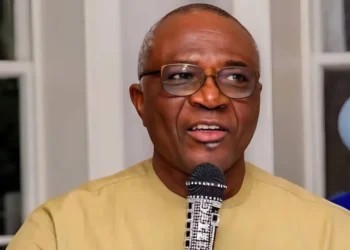
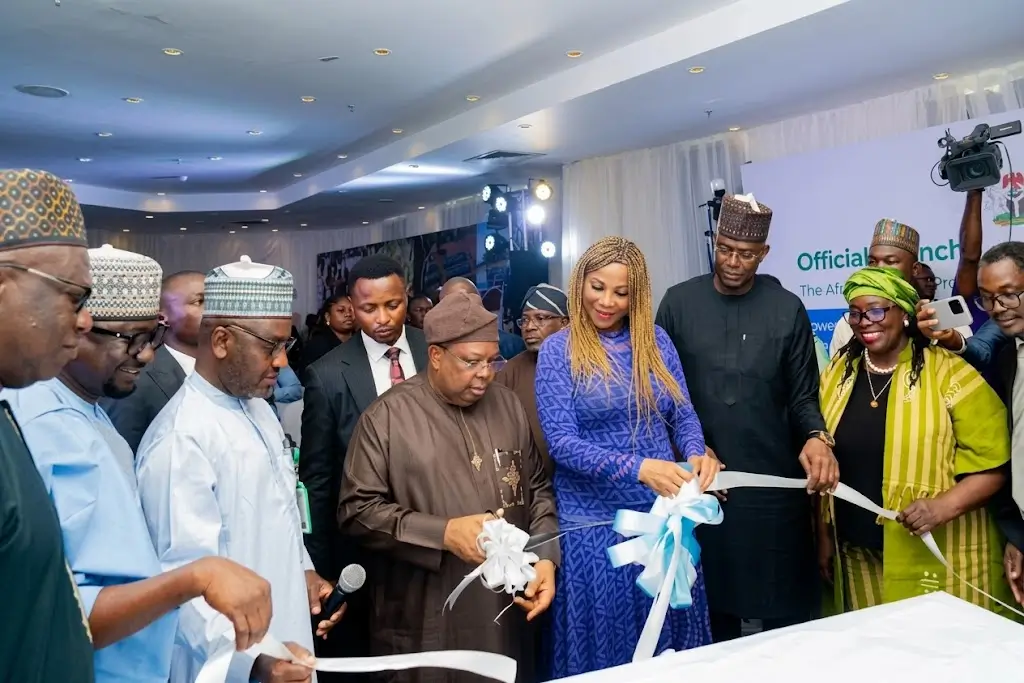
Speaking on Thursday in Abuja during the media launch of the Africa Minigrids Programme, Nigeria National Pilot Pipelines, UNDP Resident Representative in Nigeria, Elsie Attafuah, said recent global events have highlighted the vulnerability of energy systems heavily dependent on fossil fuels.
Using the Strait of Hormuz as an example, she noted that disruptions in strategic energy supply routes can affect economies and livelihoods far beyond the regions directly involved in conflicts.
READ ALSO


“I’ve never heard of this place. Who would have thought that a place that many of us have never heard of, let alone visited, would have an impact? A disruption in that Strait would have an impact in all of our lives, irrespective of where you were living. From Japan to the U.S. to Gambia to Nigeria,” she said.
Attafuah argued that the issue is no longer whether sufficient oil reserves exist but rather the risks associated with global supply chains and heavy dependence on a commodity vulnerable to geopolitical instability.
She observed that many oil-producing countries in Africa have experienced prolonged conflicts linked to natural resource dependence.
“This commodity that we all so deeply depend on is also particularly on the continent of Africa a source of conflict and sometimes conflicts that never end,” she said.
According to her, renewable energy offers Africa a unique opportunity for sustainable growth because the continent possesses abundant clean energy resources and is less constrained by legacy fossil fuel infrastructure.
“Renewable energy in Africa has an advantage because we have it also in abundance. I don’t know, have any of you heard about a war that began as a result of the installation of renewable energy sources? I haven’t heard of conflicts that arose because we installed a few solar panels,” she added.
Attafuah said renewable energy expansion would also help reduce pollution and mitigate the growing impacts of climate change across the continent.
She described the Africa Minigrids Programme as one of UNDP’s most ambitious energy initiatives, launched during COP27 in 2022 alongside UNDP Administrator Achim Steiner.
Unlike previous donor-driven projects, she said the programme has been structured to attract private investment and create sustainable business opportunities while expanding electricity access.
“This is not charity. The private sector can recover their money because you have a community that is paying. They’ve been paying before that. So it has a business value creation,” she stated.
The UNDP official noted that about 600 million people in sub-Saharan Africa still lack access to sustainable electricity, presenting an opportunity for the continent to leapfrog directly into renewable energy systems.
Highlighting Nigeria’s role as the programme’s flagship country, Attafuah said the country’s institutions, policy environment and government commitment position it favourably to attract global financing for renewable energy projects.
She added that the long-term impact of the initiative would be reflected in increased investments, higher agricultural productivity, stronger businesses and improved livelihoods for millions of Africans.