




The Middle East energy crisis has intensified following a new wave of military escalation between Israel and Iran. Fresh airstrikes and retaliatory threats have pushed the region deeper into conflict, triggering widespread disruption to global oil supply and raising fears of a prolonged economic shock.
Explosions reported in Tehran and missile interceptions across Gulf countries highlight how the war has expanded beyond bilateral confrontation into a broader regional crisis. Analysts warn that the situation is now affecting not just security, but also global energy stability.
Key Developments
Recent strikes by Israel targeted areas within Iran, prompting immediate reactions from Tehran. In response, Iranian forces have launched missiles and drones at multiple targets, including strategic sites and diplomatic facilities across the region.




Countries such as Saudi Arabia and United Arab Emirates reported intercepting incoming aerial threats, suggesting that the conflict is spilling into neighboring territories.
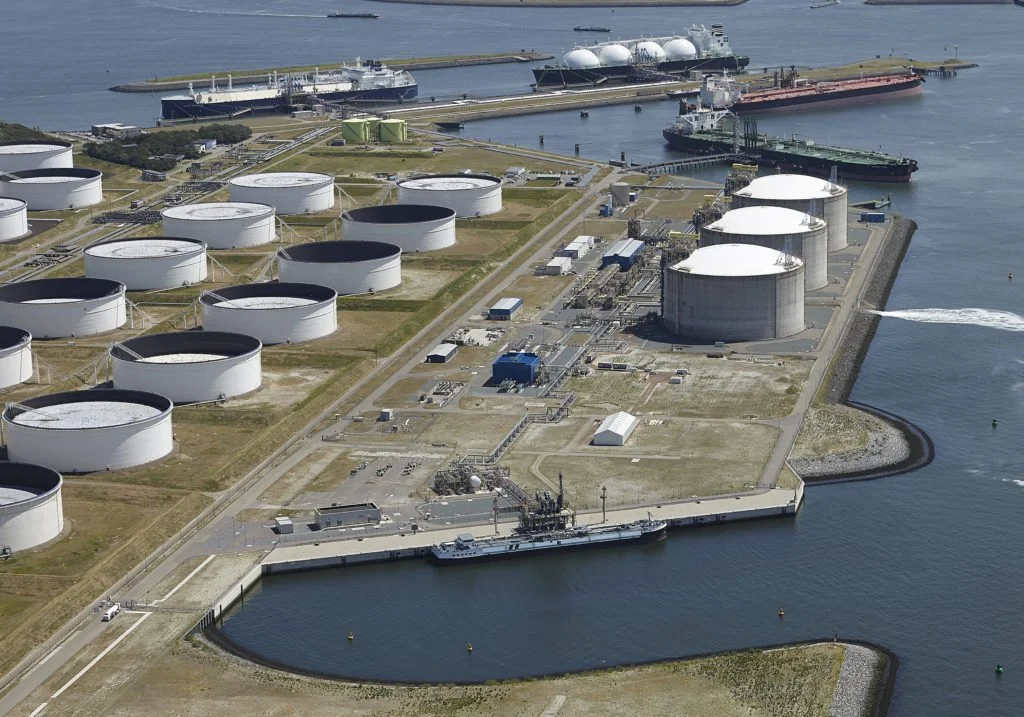
According to Fatih Birol, head of the International Energy Agency, at least 40 key energy facilities across the region have sustained significant damage. This includes oil and gas infrastructure critical to global supply chains.
Strait of Hormuz and Oil Supply Disruption
A major factor driving the Middle East energy crisis is the disruption of the Strait of Hormuz. This narrow waterway is one of the world’s most important oil routes, handling roughly 20 percent of global crude shipments.
Iran has restricted maritime traffic through the strait, allowing limited passage only to selected vessels while warning others against entry. There are also indications that Tehran may introduce tolls for ships passing through the channel, further complicating global trade flows.
The result has been a sharp reduction in oil supply, with estimates suggesting that around 11 million barrels per day are currently affected—surpassing disruptions seen during the oil crises of the 1970s.
Global Economic Impact
The ongoing Middle East energy crisis is already having visible consequences on the global economy. Oil prices have surged past $100 per barrel, driven by fears of prolonged supply shortages.
Markets across Asia and beyond have shown signs of instability, with investors reacting to uncertainty in energy availability. Higher fuel costs are expected to translate into increased transportation expenses, rising inflation, and pressure on industries reliant on energy imports.
Donald Trump has issued a strong warning to Iran, threatening further military action if shipping routes are not reopened. The ultimatum has added another layer of tension, raising concerns about a potential escalation that could further destabilize global markets.
Military Escalation and Regional Tensions
The conflict has extended beyond direct strikes between Israel and Iran. Armed groups and allied forces across the region have become increasingly involved, complicating efforts to contain the situation.
In Israel, missile strikes have reportedly reached areas near sensitive facilities, including sites associated with nuclear research. Despite strong air defense systems, some projectiles have managed to penetrate defenses, causing injuries and damage.
Meanwhile, Israeli operations have expanded into neighboring countries, including Lebanon, where infrastructure such as bridges has been targeted. This has drawn criticism from local authorities, who view the actions as a violation of sovereignty.
Iran, on its part, has warned that any further attacks could lead to direct strikes on critical infrastructure across the Middle East, including energy and desalination facilities.
Why It Matters
The Middle East energy crisis is not just a regional issue—it is a global concern. Energy markets are highly interconnected, and disruptions in one part of the world can quickly affect supply and pricing everywhere.
The Strait of Hormuz alone plays a vital role in maintaining global energy balance. Any prolonged blockage or restriction could lead to severe shortages, impacting both developed and developing economies.
Additionally, the conflict raises geopolitical risks, as major powers become increasingly involved either directly or indirectly. This could complicate diplomatic efforts and prolong the crisis.
Impact on Civilians
Beyond economic implications, the human cost of the conflict continues to rise. Reports indicate casualties in multiple countries, with civilians bearing the brunt of missile strikes and military operations.
In Iran, thousands of deaths have been reported, including a significant number of civilians. In Israel, residents in affected areas have also faced injuries and disruptions to daily life.
Displacement has become a growing concern in neighboring regions, particularly in Lebanon, where ongoing strikes have forced many to flee their homes.
Future Outlook
The trajectory of the Middle East energy crisis remains uncertain. While some leaders have hinted at the possibility of de-escalation, ongoing threats and military actions suggest that tensions may persist in the near term.
Experts believe that resolving the crisis will require coordinated international efforts, including diplomatic negotiations and measures to stabilize energy markets.

Until then, the world is likely to continue experiencing the ripple effects of the conflict, from higher fuel prices to increased geopolitical uncertainty.
Conclusion
The escalating confrontation between Israel and Iran has pushed the region—and the world—into a critical moment. As the Middle East energy crisis deepens, its consequences are being felt far beyond the battlefield.
With energy infrastructure under threat and global markets on edge, the need for swift and effective solutions has never been more urgent.