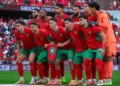




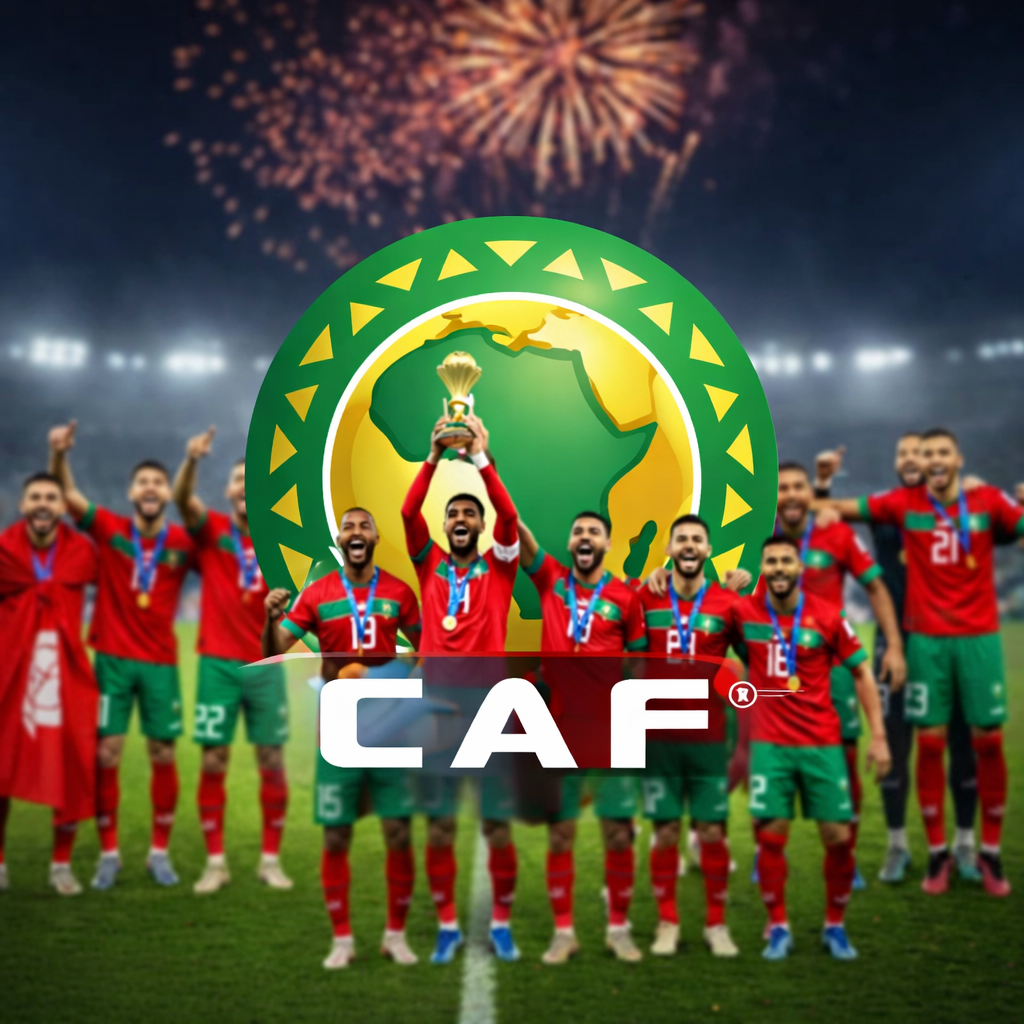
The AFCON 2025 Winner has officially been changed following a major ruling by the Confederation of African Football (CAF), sparking intense debate across the football world. Morocco has now been declared champions of the tournament after a decision overturned the original outcome of the final match.
This unexpected development has reshaped the tournament’s final standings and raised questions about disciplinary enforcement in major competitions.
Overview of the Decision
The Confederation of African Football (CAF) has updated its official records to reflect Morocco as the winners of the 2025 Africa Cup of Nations.




According to the revised standings, Morocco is the champion, Senegal is the runner-up, and Nigeria finishes in third place.
This adjustment follows a ruling by CAF’s Appeals Board, which reviewed the circumstances surrounding the tournament’s final match played in Rabat.
Key Developments in the Final Match
Originally, Senegal had secured a narrow 1-0 victory over Morocco after extra time, with Pape Gueye scoring the decisive goal.
However, the match was overshadowed by controversy late in the game. A penalty awarded to Morocco during stoppage time triggered protests from Senegalese players, leading to a temporary walk-off.
CAF’s Appeals Board later ruled that this action breached tournament regulations. Under Article 84 of the competition rules, such conduct can be treated as forfeiture.
As a result, the match outcome was annulled and officially recorded as a 3-0 victory in favour of Morocco.
AFCON 2025 Winner: Why the Result Changed
Application of Tournament Rules
The decision to revise the AFCON 2025 Winner was based on strict enforcement of competition regulations rather than on-field performance alone.
CAF stated that Senegal’s protest actions during the match constituted a violation significant enough to warrant forfeiture.
By applying this rule, the governing body effectively nullified Senegal’s win and reassigned the title to Morocco, awarding them their second Africa Cup of Nations trophy.
Governing Body’s Position
CAF President Patrice Motsepe defended the ruling, emphasising that the organisation remains committed to fairness and consistency.
He noted that no team receives preferential treatment and that adherence to established rules is essential for maintaining the credibility of the competition.
Reactions and Controversy
The decision has drawn mixed reactions from football fans, analysts, and stakeholders.
Critics argue that overturning a result achieved on the pitch undermines the spirit of the game. Many believe that disciplinary issues should not completely erase sporting outcomes unless necessary.
On the other hand, supporters of the ruling maintain that enforcing regulations is critical to ensuring discipline and order in international tournaments.
The Senegalese football federation has strongly opposed the verdict, describing it as unfair. The body has confirmed plans to challenge the ruling at the Court of Arbitration for Sport.
Impact on African Football
The revised outcome has significant implications for African football.
First, it highlights the increasing importance of regulatory compliance in major tournaments. Teams are now reminded that actions off the ball can have consequences as serious as those on it.
Second, the ruling may influence how future disputes are handled, potentially leading to stricter enforcement of competition rules.
For Morocco, the decision represents a historic achievement, as they officially secure another continental title. For Senegal, however, it marks a disappointing reversal after what initially appeared to be a successful campaign.
What Happens Next?
The final chapter of this story may not yet be written.
Senegal’s appeal to the Court of Arbitration for Sport could take several months, or even up to a year, before a final decision is reached.
If the court overturns CAF’s ruling, the tournament’s outcome could once again be revised. Until then, Morocco remains the officially recognised champion.

Future Outlook for AFCON Competitions
The controversy surrounding the AFCON 2025 Winner is likely to shape future editions of the tournament.
CAF may review its regulations and communication processes to avoid similar disputes. There could also be increased emphasis on educating teams about compliance with match-day protocols.
Additionally, the situation underscores the need for clearer conflict resolution mechanisms during matches to prevent escalation.
Conclusion
The reclassification of the AFCON 2025 Winner from Senegal to Morocco marks one of the most unusual outcomes in the tournament’s history.
While the decision has sparked debate, it also reinforces the role of governance and rules in modern football.
As the appeal process unfolds, the football community will be watching closely to see whether this ruling stands or becomes another chapter in the evolving story of African football governance.