
The Nigeria Police Force has invited social media activist Martins Vincent Otse, popularly known as VeryDarkMan, to provide evidence backing his allegation that some police officers at highway checkpoints pass information about travellers to kidnappers.
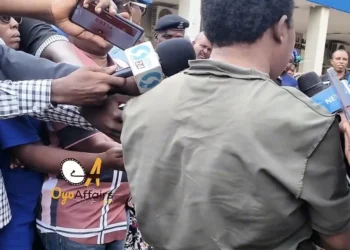
Otse made the allegation while speaking during a session at the Nigerian Bar Association’s 66th Annual General Conference in Port Harcourt, Rivers State, where he addressed the country’s worsening insecurity.
He alleged that some officers manning checkpoints identify wealthy travellers and relay information about their identities and movements to criminal groups, thereby exposing them to possible kidnapping.




The allegation has been rejected by the police, which described the claim as serious and challenged Otse to produce evidence to support it.
The Force said allegations of such gravity require corresponding evidence, particularly because unverified claims could damage public confidence in the institution.
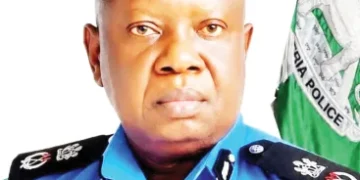
During the conference, CP Silas Aremu, who oversees the Safer Highway function, also responded to the allegation. While acknowledging that checkpoints could potentially be abused by individual officers, he rejected the suggestion that police routinely identify motorists and pass their information to kidnappers.
Aremu said criminals could monitor checkpoint locations and take advantage of security operations without necessarily having the cooperation of police officers.
The police maintained that officers deployed to checkpoints nationwide are tasked with preventing crime, detecting criminal activity and protecting travellers on major highways.
The Force also highlighted the risks faced by its personnel, saying police officers regularly confront kidnappers, terrorists and other violent criminals and have suffered attacks and casualties in the course of their duties.
It, however, said no officer found to have compromised his or her duties would be shielded.
“Where individual officers are found to have compromised their duty, they will face the full weight of internal discipline and the law,” the Force said.
The invitation is the latest development in a series of disputes between Otse and the police over allegations of misconduct.

Earlier in August, the police confirmed that its Force Criminal Investigation Department had invited Otse to substantiate separate allegations involving AIG Moshood Jimoh, the Assistant Inspector-General of Police in charge of Zone 2, Lagos.
The FCID had issued the invitation to Otse on July 30, while Jimoh was also invited for questioning as part of an internal administrative review.
The earlier controversy centred on allegations surrounding a Lagos murder investigation. The police said the criminal matter had already been investigated and was before a competent court following advice from the Directorate of Public Prosecutions.
The Force has now urged Otse and other members of the public with credible information about police misconduct to use established complaint and oversight channels.
It said genuine allegations would be investigated and officers found culpable would face sanctions under the law.
The police also warned against blanket accusations capable of demoralising personnel and weakening public confidence in security institutions.
The latest exchange comes amid continued public concern over kidnapping and insecurity on Nigerian highways, placing renewed attention on the effectiveness and integrity of security checkpoints.
For Otse, the police invitation provides an opportunity to present whatever evidence supports his claims. For the Force, the controversy is another test of its ability to address allegations of misconduct while maintaining public confidence in its personnel.