



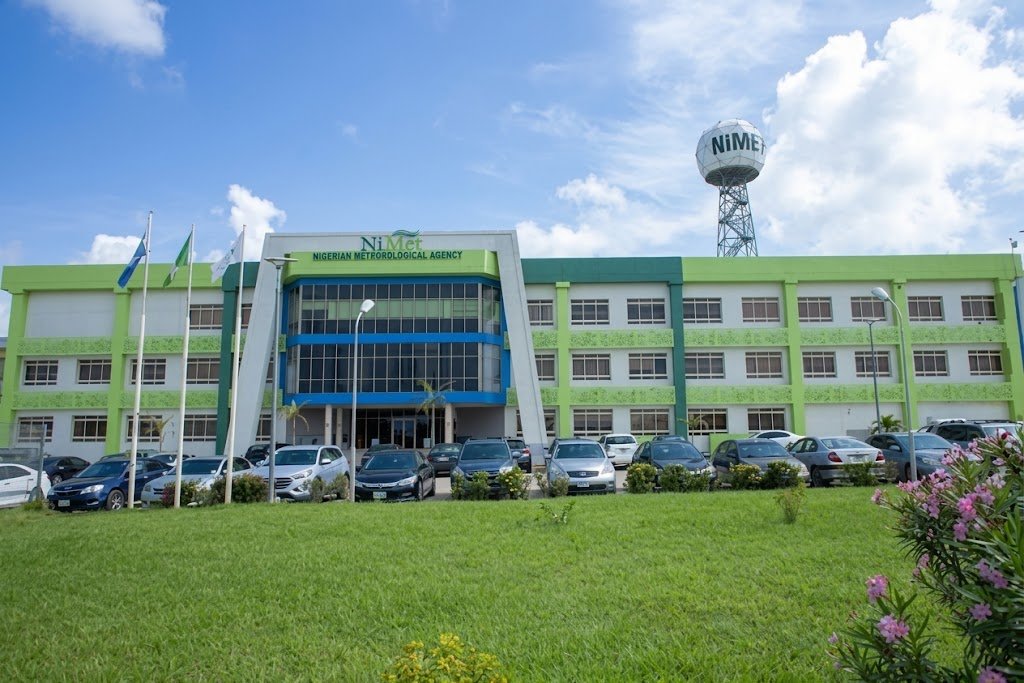
The Nigerian Meteorological Agency has begun testing a digital platform designed to give farmers and other agricultural stakeholders easier access to location-specific weather and climate information.
The initiative, known as the NiMet Data Hub, is being developed in partnership with the International Livestock Research Institute and Crea2Solutions.
The platform has progressed from the design and mock-up stage to an advanced Minimum Viable Product, with NiMet’s weather and climate services currently undergoing testing.



Work on the project began in February 2026 under the Climate Services for Youth and Alliance for a Green Revolution in Africa programmes.
By July, the project had advanced to a testable product designed to provide historical, monitored and forecast climate information.
The platform is expected to help farmers, livestock keepers and agricultural advisers assess climate risks, improve seasonal planning and make more informed decisions based on weather conditions.
Its development follows challenges that have affected the delivery of agricultural climate services in Nigeria, including fragmented data, limited coordination among information providers and difficulties in translating technical forecasts into practical advice.
To address some of those gaps, NiMet and ILRI have been engaging stakeholders to map Nigeria’s agro-meteorological data and advisory landscape and identify weaknesses in the availability and delivery of climate information.
The engagement is also focused on strengthening institutional links, improving last-mile communication and promoting gender and social inclusion.
The Data Hub is expected to serve farmers, pastoralists, agricultural extension professionals, researchers, government institutions and private advisory providers.
NiMet’s existing resources, including online map rooms and agricultural climate products, are expected to feed into the system and support the development of context-specific agro-weather advisories.
The project is part of a broader effort by NiMet and its partners to make climate information more accessible and useful to agricultural producers.
In July, NiMet and the International Livestock Research Institute concluded a 10-day training programme aimed at strengthening the ability of agricultural extension professionals to translate climate information into practical advice for farmers.
NiMet has also expanded partnerships around digital climate services, including a July agreement with AKADEMIYA2063 covering artificial intelligence, climate and weather data analytics, climate information services and evidence-based research.
The Data Hub is ultimately intended to strengthen the connection between meteorological information and farm-level decision-making.
As testing continues, NiMet and its partners are expected to refine the platform and its services ahead of wider deployment.