



States across Nigeria are adopting different approaches to the Federal Government’s drive to reduce transportation costs through Compressed Natural Gas (CNG) , with some already operating subsidised services while others are still struggling with limited refuelling infrastructure and high vehicle conversion costs.
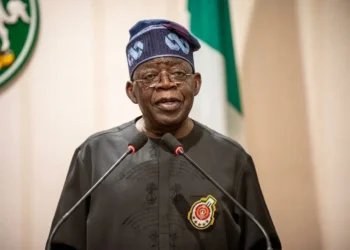
The development comes ahead of October 1, when President Bola Tinubu wants more Nigerians to begin seeing measurable reductions in transport costs.
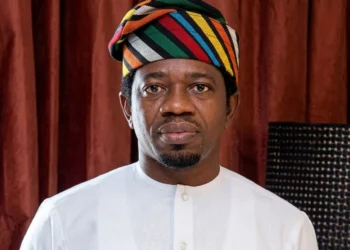
Tinubu announced the target after meeting the 36 state governors on August 27 and established an implementation committee for the National Affordable CNG Transit Programme under the Nigeria Governors’ Forum, chaired by Kwara State Governor AbdulRahman AbdulRazaq.



In his latest update, the President urged states to work with transport unions and commercial operators, support vehicle conversion and fleet deployment, and ensure that savings from cheaper energy translate into lower fares.
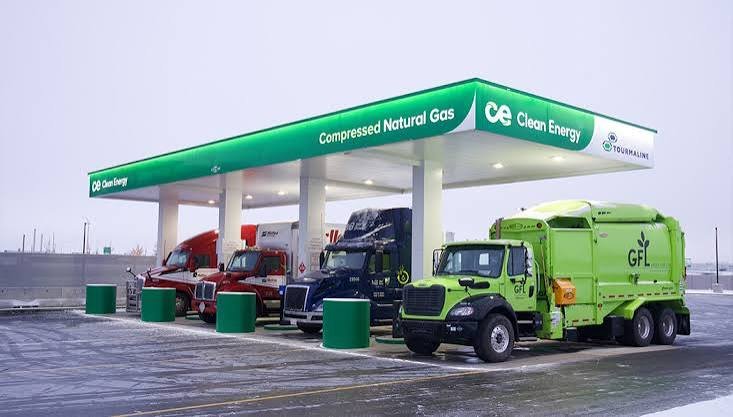
The Presidency says more than 120,000 vehicles have been converted, with over 400 certified conversion centres and more than 90 CNG refuelling stations across the country.
But reports from several states show that the rollout remains uneven.
In Lagos, commercial drivers have reported long queues at some CNG stations, including facilities around Ibafo and other parts of the Lagos-Ibadan corridor.
Transport operators say limited stations mean vehicles can spend hours waiting to refuel, reducing the time available for passenger trips and adding to operating costs.
The challenge is also being reported in northern states.
In Gombe, a transport operator said inadequate refuelling infrastructure remained a major obstacle for long-distance CNG transport, with drivers potentially spending several hours waiting to refuel.
The operator also cited conversion costs of between N750,000 and N800,000 as a major barrier for vehicle owners.
The National Association of Road Transport Owners has acknowledged the problem, with its national president, Yusuf Othman, saying limited refuelling stations were costing operators time and money.
He, however, said more stations were being developed and that the expansion would gradually reduce queues.
Some states have already demonstrated how subsidised alternative-energy transport can reduce what commuters pay.
In Kaduna, 100 CNG-powered buses provide free transportation on designated routes. The state said more than three million residents had benefited from the scheme by July, while the Federal Government said the buses recorded about 3.2 million passenger trips during their first year and saved commuters more than N3.5bn.
Plateau has adopted another model, using government-supported buses to charge N200 for journeys covering about 18km to 20km within Jos.
The state says the service is designed to provide affordable mobility rather than operate as a profit-making venture.
Borno has also recorded cheaper fares on routes served by CNG and electric transport, while Oyo, Adamawa, Enugu, Niger and the Federal Capital Territory have reported fare reductions on selected alternative-energy routes.
But other states remain at earlier stages of implementation.

Transport operators in Jigawa and Zamfara have raised concerns about the availability of CNG stations, while stakeholders in Kwara cited low vehicle-conversion levels and uncertainty among commercial operators.
Gombe officials said the initiative could reduce transportation and fuel costs but acknowledged that infrastructure expansion would take time.
Nasarawa is preparing to establish bi-fuel conversion centres across its three senatorial zones, while Benue has been conducting awareness activities ahead of vehicle conversion.
Edo has announced plans to deploy more than 50 CNG buses, while Kano says it is expanding CNG-powered mass transit alongside other transport initiatives.
The Federal Government is also trying to reduce the upfront cost of conversion.
In May, it commissioned CNG infrastructure projects in Lagos, Abuja and Owerri and introduced financing arrangements allowing motorists, commercial operators and fleet owners to spread conversion payments instead of paying the entire cost upfront.
The government has also directed the accelerated deployment of mobile refuelling units while permanent infrastructure continues to expand.
The central challenge is therefore not simply whether CNG is cheaper than petrol, but whether commercial operators can access it reliably and at sufficient scale to reduce their operating costs.
For commuters, lower fares are already visible on routes served by subsidised CNG and electric buses.
But in areas where stations remain scarce, conversion costs, queues, maintenance, financing and other operating expenses can limit the extent to which fuel savings are passed on to passengers.
With October 1 approaching, the CNG programme is entering a critical implementation phase.
The Federal Government is urging states to accelerate conversion, infrastructure and fleet deployment, while transport operators are demanding greater access to stations and financing.
The effectiveness of the rollout will ultimately depend on how quickly the infrastructure expands and whether lower energy costs translate into sustained reductions in the fares paid by commuters.