

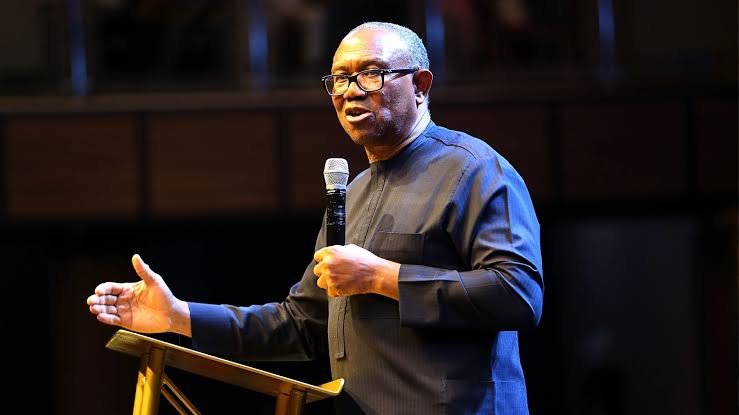
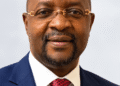
Presidential candidate of the Nigeria Democratic Congress, Peter Obi, has pledged to restore petrol subsidy if elected president in 2027, saying he would first eliminate the corruption associated with the scheme.
Obi made the declaration while explaining his position during a BBC interview, weeks after he began signalling a change from his earlier support for subsidy removal.
“From day one, I’ve talked about subsidy. I talked about corruption; corruption is the problem of subsidy,” Obi said.

Asked whether he would bring back subsidy if elected, the former Anambra State governor replied in the affirmative.
“Yes. But remember, I have qualified it, not with the corruption that’s associated with it. I’ll remove the corruption and retain the subsidy.”
The position represents a change from Obi’s stance in August, when he defended the removal of petrol subsidy and argued that the alleged mismanagement of savings from the policy was not sufficient reason to reverse it.
Speaking at the Nigerian Bar Association conference in Port Harcourt, Obi said subsidy should remain removed but that the resources saved should have been properly invested in sectors that directly benefit Nigerians.
His earlier position was also consistent with his 2023 presidential campaign, when he described fuel subsidy as “organised crime” and promised to remove it if elected.
But the issue took a new turn after his running mate, Rabiu Kwankwaso, said in September that an NDC government would restore subsidy “in our own way.”
Kwankwaso, a former Kano State governor, said the party would explore ways of lowering petrol prices, including greater investment in domestic refining.
Obi subsequently made a similar commitment at an NDC town hall in Sokoto, where he said corruption, rather than subsidy itself, was the central problem.
“By removing the corruption, I assure you that we will bring back subsidy,” he said.
The development places petrol subsidy at the centre of the NDC’s economic pitch ahead of the 2027 presidential election.

President Bola Tinubu removed the petrol subsidy shortly after taking office in May 2023, declaring in his inaugural address that the government would redirect resources previously spent on the scheme towards infrastructure, education, healthcare and job creation.
The policy led to a sharp increase in petrol prices and has remained one of the most contentious issues of the Tinubu administration.
While the Federal Government has continued to defend subsidy removal as a necessary economic reform, opposition politicians have differed over whether it should be maintained, modified or reversed.
Kwankwaso has argued that greater domestic refining could help make petrol cheaper, while Obi is now proposing that any subsidy retained by his government would be administered without the corruption he says characterised the previous system.
Obi also tied his proposed anti-corruption strategy to the conduct of the president and the president’s immediate family.
“If you are not stealing, if you are not involved, your wife and family are not involved, you reduce it by 50 per cent,” he said.
The NDC candidate also rejected suggestions that he should step aside if opposition parties eventually agree to field a consensus presidential candidate.
“We don’t need to step down. We need to do the right thing,” Obi said.
He also dismissed comparisons between his anti-corruption plans and those of former President Muhammadu Buhari, arguing that the president must personally take charge of the government.
“He was not in charge. The difference is that I’ll be in charge,” he said.
With the 2027 campaign taking shape, Obi’s new subsidy position is likely to become a major part of the NDC’s economic message, particularly as the party seeks to offer an alternative to Tinubu’s reform agenda.