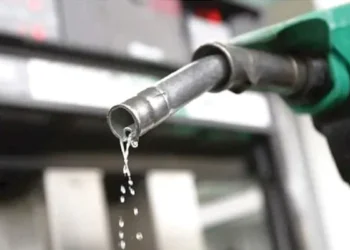
Former Vice-President Atiku Abubakar, the Obidient Movement, the Nigeria Democratic Congress and the presidential campaign organisation of Oyo State Governor Seyi Makinde have rejected the Federal Government’s 30-day petrol discount, questioning its effectiveness and accusing the administration of offering temporary relief ahead of the 2027 elections.
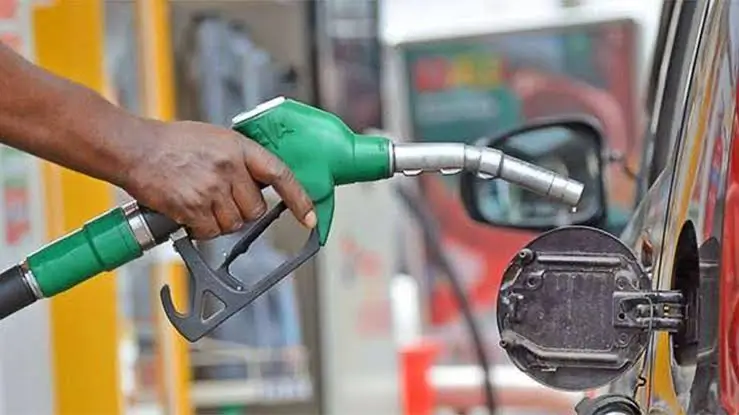
The opposition groups reacted after the government announced that the Nigerian National Petroleum Company Limited would temporarily forgo its retail profit margin and sell petrol at cost to cushion the impact of rising global oil prices on Nigerians.
Finance Minister and Coordinating Minister of the Economy, Taiwo Oyedele, announced the initiative on Thursday, October 8, saying public transport operators would receive priority during the initial 30-day period.



The Presidency maintained that the intervention was not a return to the petrol subsidy regime removed by President Bola Tinubu on May 29, 2023, but a temporary measure to moderate fuel costs and protect vulnerable households.
Atiku questions sustainability
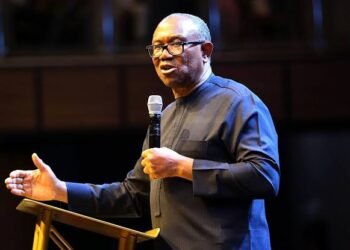
Atiku, the African Democratic Congress presidential candidate, described the initiative as a “panic-driven publicity stunt”, arguing that a month-long discount would not resolve the underlying economic difficulties facing Nigerians.
In a statement issued by Phrank Shaibu, Director of Strategic Communication of the ADC Presidential Campaign Council, the former vice-president questioned what would happen when the intervention expired.
“What happens on Day 31? Nigerians wake up to the same brutal prices, the same punishing transport fares and the same rising cost of food,” he said.
Atiku also questioned the restriction of the discount to NNPC filling stations and demanded clarity on the savings motorists would receive and how commercial transport operators would pass the benefits to passengers.
He renewed his call for production support tied to domestically refined petrol, arguing that a properly designed and budgeted mechanism could provide more sustainable relief.
Obidient Movement raises political concerns
The Obidient Movement also faulted the announcement, questioning why the government had waited more than three years after subsidy removal to introduce the temporary discount.
Its Director of Media and Communications, Onyeka Dike, suggested that the approaching 2027 elections had influenced the timing of the decision.
The movement argued that Nigerians had endured higher transport costs, food prices and other living expenses since the subsidy was removed.
It urged the government to pursue lasting solutions rather than temporary interventions, while calling for greater transparency in petroleum pricing and the management of public resources.
The Nigeria Democratic Congress similarly rejected the initiative, describing it as “tokenism and a Greek gift”.
The party’s National Publicity Secretary, Osa Director, argued that the intervention would not reverse the economic consequences of subsidy removal. He also questioned whether NNPC’s retail network could adequately serve the population without creating congestion at filling stations.
Makinde’s campaign faults discount
The Allied Peoples Movement presidential campaign organisation associated with Makinde also criticised the measure.
In a statement signed by its Director of Strategic Communications, Richard Ihediwa, the organisation described the reduction as inadequate and accused the Tinubu administration of attempting to score political points ahead of the elections.
The campaign cited a figure of ₦60 per litre, describing it as insignificant compared with the increases Nigerians had experienced.
However, Oyedele subsequently clarified that the precise discount had not been fixed, explaining that the amount would depend on NNPC’s operating costs and margins. The ₦60 figure should therefore not be treated as a confirmed nationwide reduction.
Presidency defends wider intervention
The Presidency said NNPC Retail would sell petrol at its landing cost by temporarily foregoing its retail profit margin.
It also announced plans to negotiate a ceiling of ₦1,350 per litre on petrol’s ex-gantry or landing cost, subject to monthly reviews. The proposed ceiling is not a guaranteed pump price, as retail costs may differ.
Other measures outlined by the government include forward crude sales to domestic refineries, expanded compressed natural gas deployment, support for vulnerable households, subsidised credit and efforts to reduce levies that increase transport and logistics costs.
The administration maintains that the measures are intended to cushion consumers without restoring the blanket petrol subsidy removed in 2023.
Experts divided over subsidy concerns
Energy-sector reactions have been mixed.
PetroleumPrice.ng Chief Executive Officer Jeremiah Olatide welcomed the intervention but argued that the proposed ₦1,350 landing-cost ceiling was too high and should be reviewed downwards.
Professor Emeritus of Petroleum Economics Wumi Iledare said a targeted, temporary intervention could be economically justified if it reduced transport costs and benefited passengers.
However, he warned that the arrangement could effectively become another subsidy if NNPC sold below economic cost and the government eventually absorbed the losses.
The debate centres on whether the initiative can deliver measurable savings without creating hidden fiscal liabilities or giving NNPC an unfair advantage over competing fuel marketers.